


Introduction
81% of employers now use skills-based hiring to find new talent. The numbers show a big jump from 73% last year.
Many people want to become software engineers without experience or degrees. The good news? About 94% of employers believe skills-based hiring predicts job success better than traditional resumes. Companies see amazing results - their employee retention has shot up to 91%, and skills-based hires stick around 9% longer than traditional ones.
Aspiring software developers can celebrate this shift. Web developer roles keep expanding, creating fresh opportunities for newcomers. Better yet, 60% of companies now value practical abilities over traditional qualifications. This opens doors for people who learned through online courses or hands-on experience.
Let me walk you through landing your first software engineering job based on your skills. We'll cover programming basics, portfolio building, and technical interview preparation. Ready to begin your journey?
Why Software Engineering Is Open to Beginners
Software engineering has become one of the most available career paths for newcomers today. Software developer ranks as the second best job in 2025 according to U.S. News & World Report. This makes it a great choice if you're thinking over a career change or starting your professional experience.
High demand for developers across industries
The job market for software engineers keeps growing rapidly. The U.S. Bureau of Labor Statistics projects software development roles to grow 17% from 2023 to 2033, adding about 327,900 jobs to the economy. This growth rate is nowhere near the overall job growth of 3% for all occupations.
Companies of all sizes are embracing digital transformation, which drives this surge in demand. Healthcare, manufacturing, and retail industries need software engineers to create state-of-the-art solutions. The rise of artificial intelligence, Internet of Things, and blockchain needs specialized software solutions, opening up more opportunities for newcomers.
Software has become the main growth driver for many industries. They need developers who can adapt quickly to new tools and work well in relaxed, tech-forward environments. So, even during economic ups and downs, certain sectors keep investing in digital growth and need engineering talent.
No degree required for many roles
The sort of thing I love about software engineering is that practical skills matter more than formal education. An Overstack Flow survey shows that 27% of software engineers do not hold any college degree. This proves that self-taught individuals can succeed in this field.
Many employers clearly state they don't need prior professional experience for entry-level roles. Companies like IBM run apprenticeship programs with the motto: "No degree? No problem". They offer full-time work opportunities to everyone, whatever their educational background.
Employers care most about your knowing how to build, test, and maintain software—whether you learned through school, self-study, or hands-on practice. It also helps that 86.7% of software engineers learned programming languages, tools, and frameworks on their own without taking formal courses.
Remote and freelance options available
Software engineering gives you a unique experience through remote work and freelancing opportunities. More companies hire software engineers who can work from anywhere. This gives you the kind of freedom you rarely find in other jobs.
Freelancing opens up another path for beginners. As a freelance developer, you can pick projects that interest you, control your schedule, and often earn more per hour than regular employees. Even with basic knowledge, beginners can handle smaller projects using Google searches and Stack Overflow.
Better yet, many freelancers say they "got paid to learn" while working on projects that pushed their skills. This learn-as-you-earn approach helps newcomers who want to get started.
High demand, skill-based hiring, and flexible work options make software engineering a great career path for beginners ready to build their technical skills.
Essential Skills You Need to Learn First
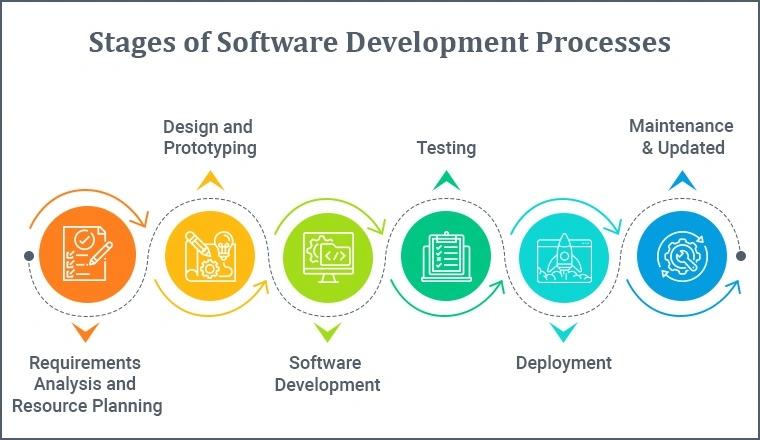
Source: Wazobia Technologies
Software engineering careers start with learning several key skills. Let's focus on the core skills that build your technical foundation before exploring complex frameworks or languages.
HTML, CSS, and JavaScript basics
HTML, CSS, and JavaScript are the foundations of web development. HTML structures web pages, CSS handles styling and layout, while JavaScript makes them interactive. These three technologies help you build everything from simple websites to complex applications.
HTML (HyperText Markup Language) creates the structure and content of web pages. You'll find it easy to learn since it uses tags to organize text, images, and links into a document. CSS (Cascading Style Sheets) transforms your HTML into attractive designs by controlling colors, fonts, layouts, and how pages look on different devices.
JavaScript brings your pages to life with dynamic and interactive features. It powers form validation, animations, and responds to user actions. JavaScript stands apart from HTML and CSS as a complete programming language that does much more than handle web page elements.
These three technologies make a great starting point. They work together naturally and show you immediate results as you learn. You'll also learn how web applications work, both in structure and behavior.
Version control with Git and GitHub
Git plays a vital role in software engineering careers as the most accessible version control system. Developers use it to track changes, work together, and maintain different code versions at the same time.
Git takes "snapshots" of your project at different times. These snapshots, called commits, create a detailed history of your project. The system lets you:
- Track code changes
- Work with other developers without conflicts
- Return to previous versions when needed
- Develop different features at once through branching
GitHub takes Git further by hosting your code online. It adds features like pull requests that let teams review changes before adding them to the main code.
The basic Git commands git init, git clone, git add, git commit, git push, and git pull are vital for daily work. These skills prepare you to cooperate with teams—a key requirement for landing your first software engineering job.
Understanding front-end vs back-end
Front-end and back-end development represent two sides of software engineering. Front-end developers create what users see and interact with. They use HTML, CSS, and JavaScript to build user interfaces, from layouts to interactive features.
Back-end development happens behind the scenes. It involves data processing, application logic, database management, and server setup. Python, Java, and Ruby rank among popular back-end languages.
New developers should choose their initial focus carefully. Many start with front-end development because it shows immediate results and needs fewer concepts to begin. Knowledge of both areas—becoming a "full-stack developer"—can open up more job opportunities.
Intro to frameworks like React or Django
Frameworks help build complex applications faster once you know the basics. They provide ready-made code and structures for common development tasks.
Facebook created React, a JavaScript library for building user interfaces. It uses components as building blocks that manage their own state. React's popularity comes from its power to create dynamic, responsive web applications.
Django serves as a powerful Python web framework for back-end development. It comes packed with most features developers need. Django handles security automatically, which helps beginners avoid common mistakes.
These frameworks speed up development while promoting good coding practices. Learning React or Django takes time, but the investment will make you more valuable in the software engineering job market.
How to Learn Without a Degree or Experience

Image Source: clarusway.com
Self-education is a practical path to a software development career. You can gain skills without formal education or prior experience through determination and well-laid-out learning.
Free and paid online courses
The internet brims with resources for aspiring developers. Coursera lets you preview first modules at no cost or start a 7-day free trial before spending money. edX provides specialized courses that take 4-6 weeks to complete - perfect for beginners or those who want to build specific skills. Alison stands out as a completely free option with over 23 courses in software engineering. Their content spans from cloud computing to operating systems. These platforms work great for learners of all levels, from complete beginners to intermediate developers wanting to expand their knowledge.
Coding bootcamps and certifications
Bootcamps offer structured paths into tech careers through intensive, accelerated learning. A typical coding bootcamp runs for 16.5 weeks and costs approximately INR 1004127.36. The investment pays off - IT professionals with certifications earn an average of INR 1012565.41 more per year. Many bootcamps feature specialized tracks in software engineering, data analytics, and cybersecurity with flexible learning options. Programs like Google IT Support Professional Certificate teach system administration and basic coding fundamentals that beginners need. Newcomers to the field benefit from certifications like the Associate Software Developer Certification (IASD) to confirm their foundational skills.
Building real-life projects
Creating actual applications is the life-blood of a developer's portfolio. Weather apps, calculators, or text-based games help you practice fundamentals. Your skills grow as you tackle complex challenges that solve real-life problems. Employers value projects and problem-solving skills more than credentials. A well-documented GitHub repository often matters more than formal qualifications. Your portfolio shows not just technical knowledge but also how you solve problems and know how to work independently.
Joining open-source communities
Open-source projects are a great way to get real-life experience and networking opportunities. The sort of thing I love is that 28% of casual contributions to open source involve documentation, making it available even for beginners. Benefits include:
- Learning from experienced developers through code reviews
- Building a public work history visible to potential employers
- Developing collaboration and communication skills
- Forming professional relationships that may lead to job opportunities
GitHub Explore, First Timers Only, and Up For Grabs help newcomers find beginner-friendly issues to work on.
How to Prove Your Skills to Employers
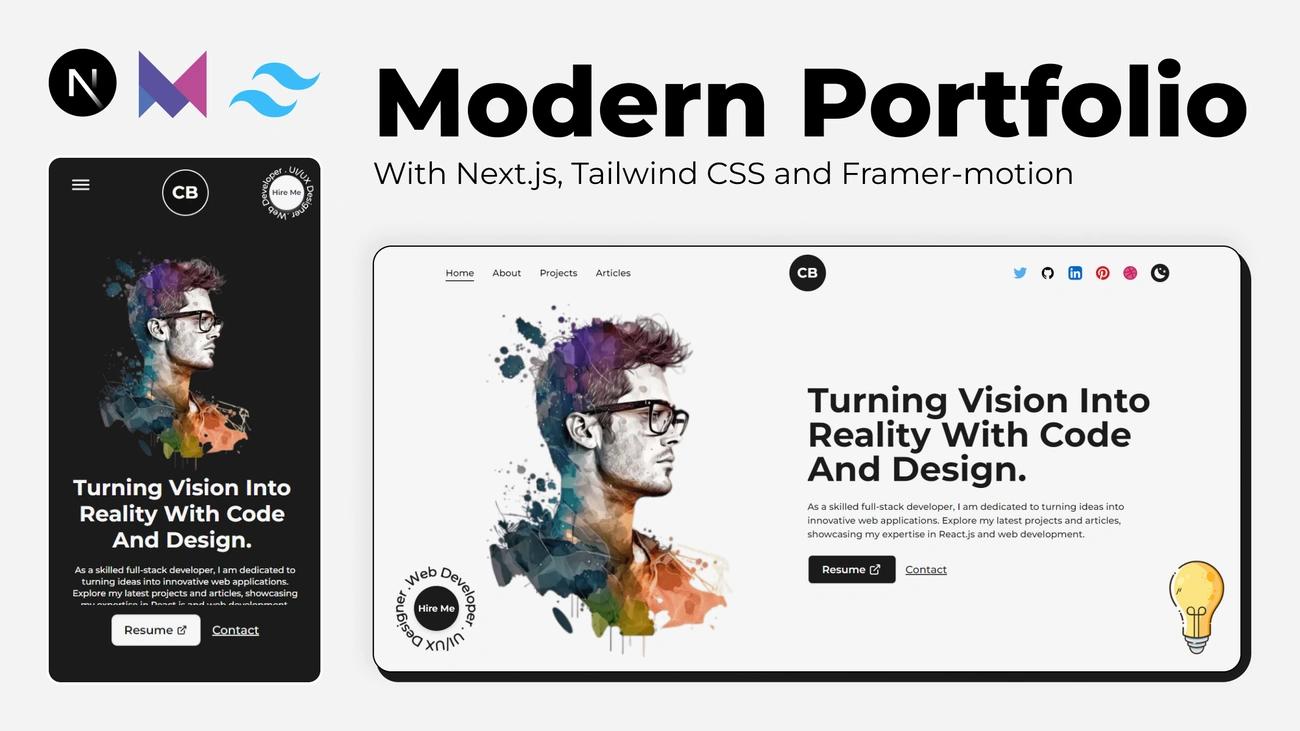
Image Source: GitHub
The job market today makes showing your skills more significant than just having them. Employers need real proof of what you can do—this becomes even more important if you don't have formal experience.
Create a GitHub portfolio
Your GitHub profile works like your coding resume. Many IT professionals look at candidates' GitHub repositories to see how often they code, their code quality, and teamwork skills. Here's how to make your profile stand out:
- Pin your best 3-5 repositories to show your strongest work
- Write complete README files that explain what the project does, tech stack used, and setup steps
- Keep your code clean with consistent naming conventions
- Join open-source projects to show you work well with others
Most technical interviewers look at GitHub profiles during hiring, so make yours count.
Build and host personal projects
Personal projects give solid proof of your coding abilities. They show how you solve problems, which beats just listing skills on a resume. Quality matters more than quantity—employers value projects that fix real problems and work well. You can put your applications online using GitHub Pages or Netlify. Recruiters can then try out your work without running code on their machines.
Write technical blogs or tutorials
Technical writing shows you know how to explain complex ideas clearly—a skill many developers overlook. Writing about tech you use helps you learn better and shows your industry knowledge. Many developers say blogging made them better at their job and helped them network. On top of that, it lets potential employers see both your communication and technical skills.
Get certifications from trusted platforms
Smart certification choices can verify your skills and boost your earnings. IT professionals with certifications make about INR 1012565.41 more per year. But choose carefully—stick to certifications from prominent organizations like Google, AWS, or Microsoft. While certifications show you're committed to growing professionally, they shouldn't replace hands-on experience. Strong GitHub projects and portfolios often matter more to employers than credentials alone, especially for entry-level jobs.
How to Apply and Get Your First Job
Getting your first software engineering job needs the right preparation. Here are some practical steps to help you turn your skills into real job opportunities.
Tailor your resume for skills-first hiring
Your resume should be clear, concise, and achievement-focused. When applying to entry-level positions, your technical skills and problem-solving abilities matter more than experience. The projects you choose should show how you apply your skills. Use action-oriented descriptions like "Developed a full-stack web app using React and Firebase". A single page resume works best. List your programming languages, frameworks, databases, and methodologies that match each position.
Use job boards that support entry-level roles
Job boards with entry-level opportunities are your best bet. You'll find extensive filtering options on Indeed and Glassdoor. GitHub Jobs focuses on web development positions. The tech job market looks promising - 54% of tech job postings in Europe want candidates with just 0-2 years of experience. WeWorkRemotely or FlexJobs are great options if you want to work remotely.
Prepare for technical interviews
Technical interviews test your basic knowledge and how you solve problems. You should practice speaking your thoughts out loud. Don't hesitate to ask questions when you need clarity. Mistakes happen - just keep moving forward with confidence. Show your coding passion through side projects and coding activities.
Make the most of internships and freelance work
Most internships can lead to full-time jobs - about 70% of employers offer permanent roles to their interns. Freelancing lets you gain experience on your schedule. Many newcomers say they learned while earning through their projects.

Conclusion
Starting a software engineering career without experience might feel overwhelming. The recent change toward skills-based hiring has opened up new doors for coding and problem-solving enthusiasts.
Your path starts with becoming skilled at fundamentals like HTML, CSS, JavaScript, and Git. Building ground projects, contributing to open-source, and showcasing your work through GitHub repositories will prove your abilities better than any resume. Technical blogs and strategic certifications are a great way to get credibility with potential employers.
Note that everyone begins somewhere. Many successful developers started without degrees or prior experience. Your dedication to continuous learning, creative problem-solving, and adaptability to new technologies matters more than traditional credentials.
Persistence drives success in this field. Everyone faces rejection, but each application and interview teaches valuable lessons. Freelancing and internships serve as practical stepping stones during your search for that first full-time role.
Software engineering values results and capabilities above everything else. Build and show your skills instead of worrying about lack of experience. Your determination and right approach can help you secure your first software engineering job and start an exciting, rewarding career in technology.
Key Takeaways
Breaking into software engineering without experience is more achievable than ever, thanks to the industry's shift toward skills-based hiring and high demand for developers.
• Skills matter more than degrees: 81% of employers now use skills-based hiring, with 27% of software engineers having no college degree
• Master the fundamentals first: Focus on HTML, CSS, JavaScript, and Git before moving to frameworks like React or Django
• Build a strong portfolio: Create GitHub repositories with real projects and write technical blogs to demonstrate your problem-solving abilities
• Leverage alternative learning paths: Use free online courses, coding bootcamps, and open-source contributions to gain practical experience
• Apply strategically: Target entry-level roles, prepare for technical interviews, and consider internships or freelance work as stepping stones
The software engineering field offers exceptional opportunities for self-taught developers, with 17% job growth projected through 2033 and many companies explicitly stating "no degree required" for entry-level positions.
