


Introduction
The talent world faces unprecedented challenges in 2026. Premier Talent Partners has seen applicant numbers reach record highs. Yet recruiter capacity hasn't grown to match these demands.
Modern candidates want three things - clarity, personalization, and speed. They know their worth and have access to more information than ever before. These candidates quickly lose interest if recruitment feels impersonal or drags on. The talent acquisition trends suggest a basic change in talent attraction and retention methods. The real challenge isn't finding candidates - it's spotting the right ones among countless applications.
Quality connections with candidates matter more than reaching large numbers. Strong company talent management begins with well-crafted job descriptions. The talent acquisition world needs more than simple updates. It demands a complete overhaul.
This piece will help you create job descriptions that stand out. You'll learn to speak directly to top candidates and set your company up for recruiting success in 2026 and beyond.
Why Most Job Descriptions Fail Today
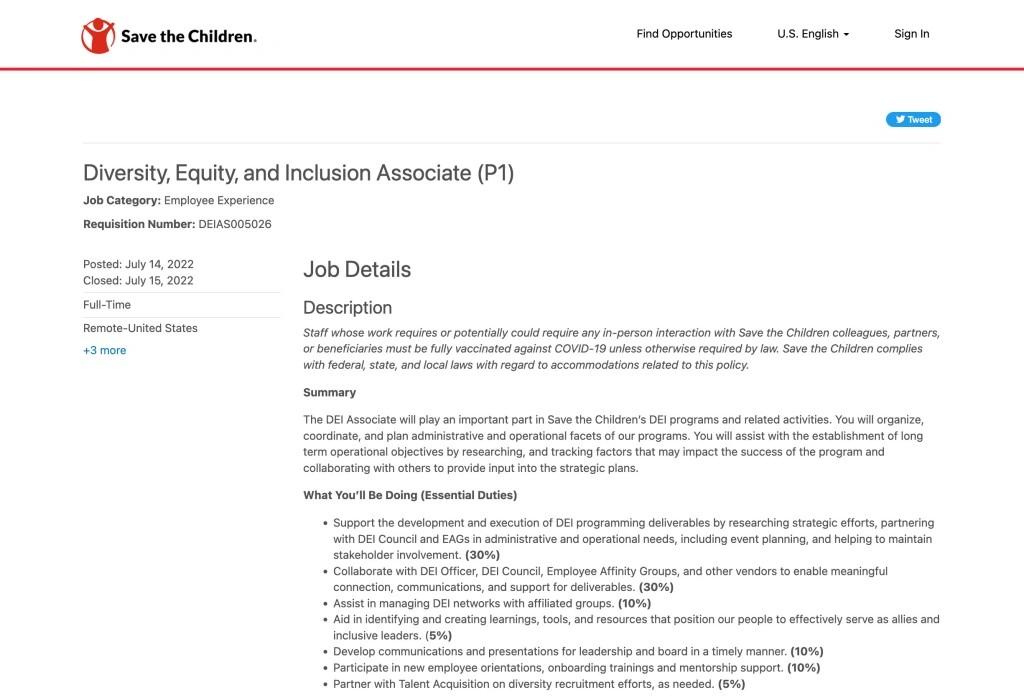
Image Source: LinkedIn
Companies try their best to write good job descriptions, but they often fail to attract the right candidates. Research shows that 38% of job postings use confusing jargon words and phrases. This creates major roadblocks for people who want to apply.
The numbers tell a concerning story. 64% of graduates don't feel confident applying for jobs they can't understand. These qualified candidates drop out before they even start applying. Job seekers find misleading job descriptions frustrating, with 27% listing this as their top complaint when looking for work.
The issues go beyond just complicated words. Job descriptions often list too many requirements that act as filters instead of showing what the role really needs. This hits diversity hard because some groups won't apply unless they match every single requirement.
Clear communication matters a lot. 17% of workers skip applying for jobs because the descriptions are too vague or confusing. When expectations don't line up, people end up disappointed and leave their jobs.
Bad hires cost companies dearly - 1.5x to 2x the employee's annual salary. When roles aren't defined clearly, employees can't understand what makes them successful.
The best talent partners know these problems well. They understand that today's hiring needs more honesty and clarity than ever before.
How to Write Job Descriptions That Attract Top Talent
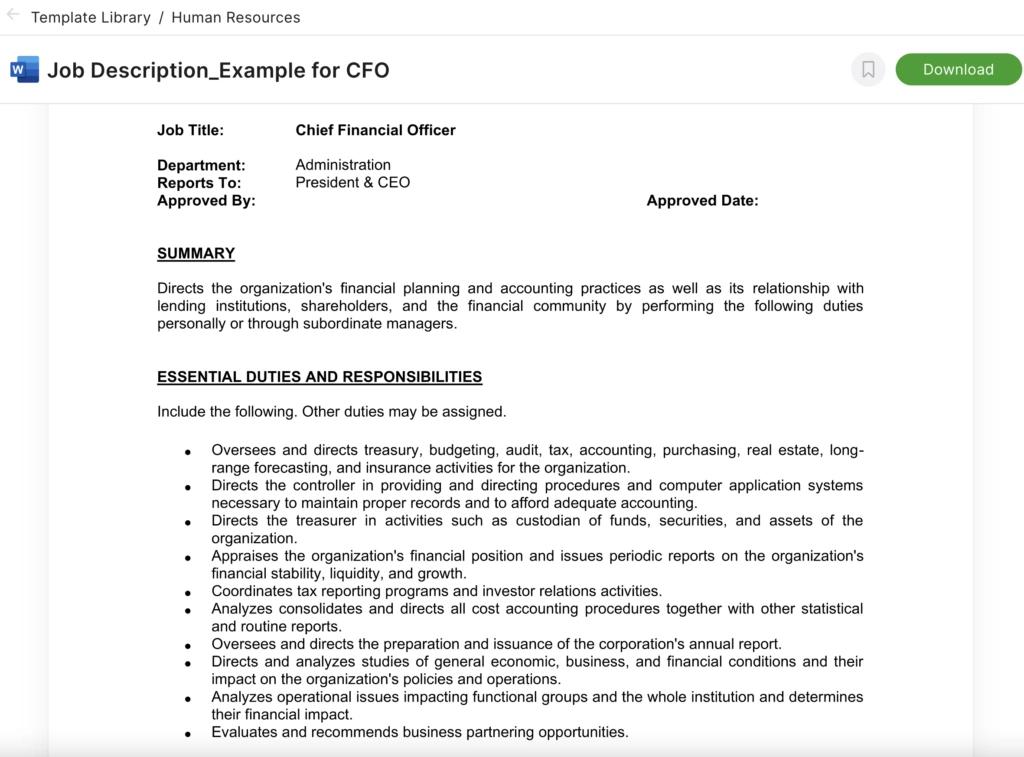
Image Source: Ongig Blog
"Transforming lives by connecting thriving businesses with top talent." — Premier Talent Partners, National Staffing & Recruiting Agency with 26+ years of experience
Writing compelling job descriptions requires understanding what modern job seekers want. Standard job titles that candidates search for work best - "Senior Data Analyst" gets better results than creative titles like "Data Ninja".
Well-structured job descriptions need smart formatting. Your posting should have short paragraphs and bullet points covering at least one-third of the content. The layout must work on mobile devices since nearly 90% of job seekers use mobile devices to look for jobs.
Make your descriptions speak to candidates rather than just promoting your company. Direct communication using "you" and "your" works best. Place key details at the top where candidates notice them right away.
Salary ranges should appear in your postings because 70% of job seekers want salary information before moving to the next application step. Growth opportunities and benefits deserve prominence as they substantially influence whether someone applies.
Clear, inclusive language makes your posting more effective. Avoid gendered terms or phrases that could discourage certain groups. Replace requirements like "must be able to lift 50 pounds" with "moves equipment weighing up to 50 pounds".
End with an engaging call-to-action such as "Apply now for a career that defies imagination".
Future-Proofing Your Job Descriptions for 2026
Static job descriptions don't work anymore as we look toward 2026. The World Economic Forum projects that 22% of current jobs will be affected by 2030, with 170 million new jobs created but 92 million displaced. Organizations must rethink how they describe roles completely.
92% of jobs now require digital skills, but one-third of workers lack foundational digital abilities. Smart companies have started creating dynamic job descriptions. They put more weight on outcomes than tasks and value skills over specific duties.
86% of employers expect AI to revolutionize industries by 2030. All the same, only 19% of organizations are actively recruiting for AI skills. Leading recruitment partners can see this gap between today's practices and tomorrow's requirements.
Three promising approaches have emerged: descriptions that spotlight desired outcomes, ones that focus on skills you can use across projects, and those that bring teams together around shared goals.
Your job descriptions should start including these elements right now:
- Clear explanations of AI tools in daily work
- Growth and learning opportunities
- Links between individual roles and company strategy
- Digital skills and adaptability requirements
Try SkillSauce free JD Generator to create descriptions that match current needs with future skills. This will help you attract top talent in 2026's digital world.
Conclusion
Well-crafted job descriptions will remain crucial for organizations aiming to secure top talent in 2026 and beyond. Traditional approaches often fail because of jargon, excessive requirements, and vague role definitions. These pitfalls discourage qualified candidates and cost companies substantially when hiring mistakes occur.
Clear, candidate-centric job descriptions deliver better results without doubt. Standard job titles, strategic formatting, salary transparency, and inclusive language attract premier talent while filtering out mismatched applicants. Your descriptions need mobile optimization to reach candidates wherever they search.
Tomorrow's workplace values adaptability above everything else. Job descriptions should evolve from static task lists into dynamic frameworks that emphasize outcomes and skills. Organizations need to incorporate AI integration, continuous learning opportunities, and clear connections between individual contributions and company strategy as standard elements in their talent acquisition approach.
Premier Talent Partners has witnessed these challenges firsthand. Our experience shows companies that adapt their recruitment practices to meet changing candidate expectations outperform those using outdated methods consistently. SkillSauce's free JD Generator provides a practical starting point for this transformation.
Your job descriptions create the first meaningful conversation with potential team members. This conversation should communicate clearly, honestly, and purposefully. Such an approach helps cut through the noise and connects you with exceptional talent ready to push your organization forward.
Key Takeaways
Master these essential strategies to transform your job descriptions from talent repellers into top candidate magnets in 2026's competitive hiring landscape.
- Eliminate jargon and focus on clarity - 38% of job postings contain confusing language that prevents 64% of qualified graduates from applying
- Use candidate-centric language with salary transparency - Write with "you/your" pronouns and include salary ranges since 70% of job seekers want compensation details upfront
- Optimize for mobile and search visibility - Nearly 90% of job seekers use mobile devices, so ensure short paragraphs, bullet points, and standard job titles
- Emphasize outcomes over tasks and include growth opportunities - Future-proof descriptions by highlighting results, AI integration, and continuous learning rather than rigid duty lists
- Apply inclusive language and clear calls-to-action - Remove gendered terms and conclude with compelling action statements to maximize qualified applicant conversion
The cost of poor job descriptions is substantial - replacing bad hires costs 1.5x to 2x annual salary. With 22% of current jobs expected to change by 2030 and 92% requiring digital skills, your job descriptions must evolve from static task lists to dynamic frameworks that attract premier talent while clearly communicating role expectations and growth potential.