


Introduction
The cost of hiring a new employee typically runs 1.25 to 1.4 times their salary? Sales teams often deal with stress, discouragement, and shifting goals — making a bad hire even more expensive.
We've all been there: that candidate who aced the interview but couldn't close a single sale. Traditional hiring methods fall short because they fail to predict real performance. 69% of sales reps missed quota in 2025, according to Scaled's annual sales performance report — the highest miss rate recorded in five years. Companies that blend sales assessment tools into their training programs see a 20% boost in sales productivity and a 15% improvement in employee retention. On top of that, businesses using behavioral insights during hiring achieve up to 40% higher employee retention and stronger team involvement levels.
Sales assessment tests have become crucial for teams committed to building high-performing sales forces. A well-designed behavioral sales assessment does more than filter candidates — it spots people who can actually sell in your specific environment.
This guide covers how to implement sales testing strategies that go beyond resumes and interviews — identifying candidates with genuine selling potential before they cost you a missed quarter. You'll learn about what these assessments measure and how to avoid common implementation mistakes. This guide will give you the tools to reshape your sales hiring process.
Why Traditional Sales Hiring Methods Fall Short
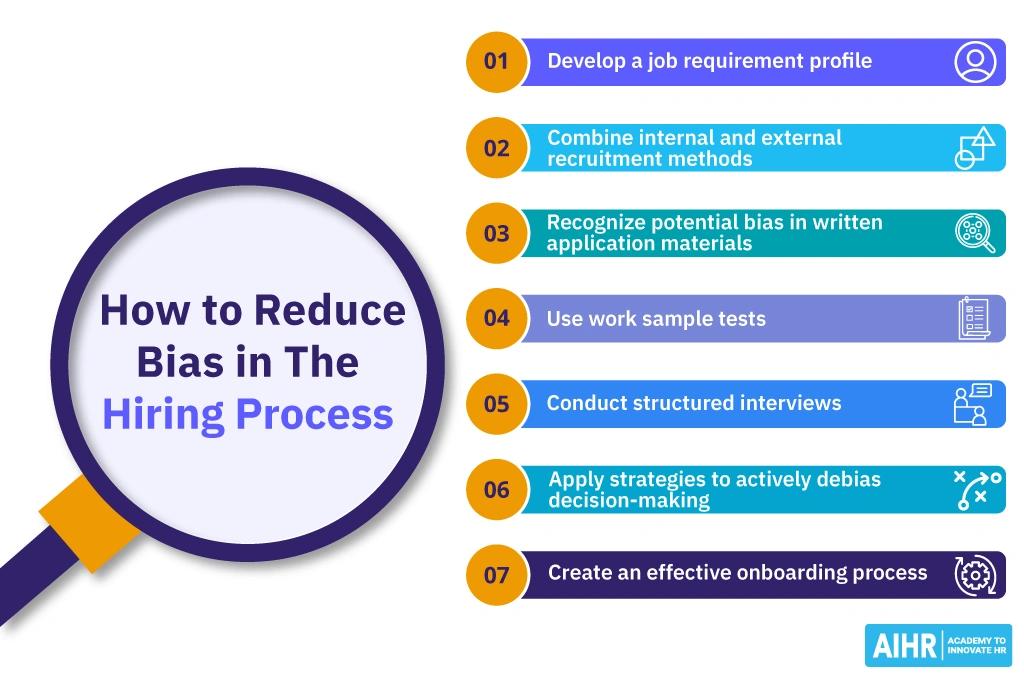
Image Source: AIHR
Companies lose millions each year because of poor sales hiring decisions and missed chances. Here is why these methods consistently fail organisations looking for top sales talent.
The high cost of bad sales hires
Bad sales hires come with shocking numbers. Studies show that 74% of organizations admit they hired the wrong person, and a bad hire can cost up to INR 1.4 million. Sales positions push this number up—it can reach 30 to 125 times the base salary of an underperforming salesperson.
These numbers tell a grim story:
- 26% of all sales turnover happens because reps miss their quotas
- Sales jobs see turnover rates three times higher than other jobs
- A failed sales hire's total cost can hit INR 11.4 crore with lost opportunities
Bad hires create waves of problems across the company. Managers waste time coaching poor performers. Team members struggle to cover for weak links. Cash flow takes unexpected hits. Sales leaders face mounting pressure as their average time in role dropped from 26 months to just 19 months.
Resume and interview limitations
Resumes make a poor foundation for sales hiring decisions. Recruiters spend just seven seconds on each resume—not enough time to spot real talent. One in three Americans lie on their resumes about things like years of experience (46%), education (44%), and skills (40%).
Regular interviews don't predict success any better. About 42% of recruiters say interview bias is a major issue. A third of employers decide about candidates in the first 90 seconds. These quick judgments rarely match up with how well someone actually sells.
"A sales rep who does not do their research for interviews is probably going to skip out on doing any research for client meetings as well". In spite of that, standard interviews rarely test this key behavior. They focus on practiced answers and quick impressions instead.
The gap between claimed and actual sales abilities
The biggest flaw in standard hiring methods comes from the difference between what candidates say they can do and what they actually deliver. Sales professionals excel at persuasion—they know how to "sell themselves" in interviews without proving they can really sell.
Research shows that "Claimed data—gathered via surveys or focus groups—provides a starting point for building a view of your customer, but with self-reported behaviour as your only data source, that view is two-dimensional". A candidate's self-reported sales abilities in interviews give only a limited view of their true skills.
People's memories aren't reliable. Memory "embellishes, changes facts, and even creates false memories—all without us even realizing". Sales candidates might unknowingly change their success stories. "Social desirability bias" makes candidates paint an ideal picture of their skills and experience.
These limitations have pushed organizations to see that "simulation-based assessment" works better than resume screening for sales positions. Sales assessment tests help bridge the gap between claimed and real abilities by testing real-life sales behaviors instead of trusting what candidates say about themselves.
Understanding Behavioral Sales Assessment Tests
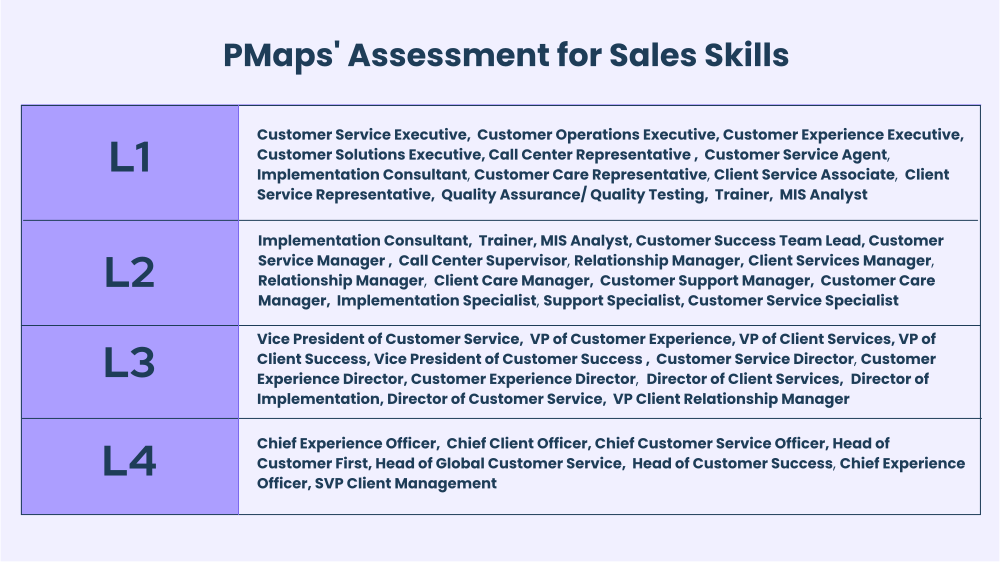
Image Source: PMaps
Behavioral sales assessment tests predict sales success better than resumes or interviews. These scientific tools give clear data about a candidate's natural behavior patterns and how well they might perform in sales situations.
What behavioral assessments measure in sales candidates
Sales assessments review traits that link directly to success in sales. These tests look at resilience - how well salespeople handle setbacks and rejection. They also look at how well professionals know how to express value propositions and negotiate deals.
A complete behavioral test reviews:
- Emotional intelligence—how well someone manages emotions and responds to clients' needs
- Goal orientation—the drive to chase and hit sales targets
- Problem-solving abilities—how someone spots issues and finds solutions
- Adaptability—how well they adjust their approach when things change
These tests show the reasons behind sales performance in ways that quota numbers alone can't.
Key differences from personality tests
Behavioral assessments work differently from personality tests, though both look at human traits. Personality tests show the broad strokes of who someone is. Behavioral assessments focus on how a candidate will likely handle specific job tasks.
To name just one example, see how a personality test might show someone is outgoing or friendly, while a behavioral assessment predicts if they can handle pressure or build client relationships. This change makes behavioral assessments more useful because they target job-specific skills rather than general personality traits.
There's another reason these tests stand apart. Many behavioral assessments map work activities to specific traits. The tests also put candidates in real-world scenarios instead of asking general personality questions, which makes them harder to game.
Predictive validity for sales performance
Behavioral assessments have solid science behind them. Research shows they work better than personality tests at predicting job success. Personality tests have a predictive validity coefficient of about 0.23, while behavioral assessments score much higher at 0.43.
Scientists looked at about 400 studies and found that behavioral assessment scores matched job performance measures 94% of the time. The average criterion validity coefficient in these successful tests was r=0.30.
Companies see real benefits when they use behavioral assessments. They make better hiring choices and keep employees longer. On top of that, 81% of clients who use these assessments say the tools help them develop better employees.
Essential Traits to Assess in Sales Candidates
Sales professionals who excel share common traits that set them apart from average performers. Your hiring outcomes can improve significantly when you identify these traits through behavioral sales assessment tests.
Resilience and rejection handling
The best salespeople show remarkable resilience. They know how to bounce back from rejection and stay motivated in tough situations. Here's a reality check: 60% of customers say "No" four times before they accept an offer. Yet only 44% of salespeople try after the first rejection, and 70% give up after sending just one email. Top performers see rejection as valuable feedback rather than personal failure.
The best sales assessment tests assess how candidates:
- Handle and recover from setbacks
- Keep a positive outlook despite rejections
- Turn negative experiences into opportunities to learn
Communication and persuasion skills
Communication is the foundation of successful selling. Studies show salespeople speak for 81% of the time during sales conversations. Their ability to state value propositions clearly and persuade customers makes a big difference. Research reveals that 45% of consumers buy more from companies that show empathy.
Quality behavioral sales assessments measure a candidate's ability to:
- Adjust messages based on audience needs
- Listen carefully to understand customer challenges
- Close deals through effective negotiation
Goal orientation and self-motivation
Sales professionals who focus strongly on goals consistently perform better than their peers. Research shows two distinct orientations: learning orientation (seeking skill development) and performance orientation (showing competence). Learning orientation becomes more valuable with experience and helps salespeople adapt their selling styles better.
Adaptability in changing situations
The modern marketplace demands adaptability for sales success. Sales professionals who adapt quickly respond to customer needs, market changes, and unexpected challenges. This quality helps them connect with different personalities and build stronger client relationships by adjusting their approach to individual priorities.
Problem-solving under pressure
Great salespeople stay calm and focused on solutions when systems fail or major clients face problems. Their problem-solving skills directly affect customer retention and recurring revenue. The strongest candidates can explain their problem-solving process clearly and describe how they adjust based on new information.
Organizations can spot candidates with real sales potential beyond interview impressions by using complete behavioral sales assessment tests that measure these five vital traits. Companies can build outstanding sales teams ready for today's competitive market through structured evaluations of resilience, communication skills, goal orientation, adaptability, and problem-solving abilities.
How to Implement Behavioral Testing in Your Hiring Process
Sales assessment tests can dramatically improve your chances of identifying candidates with genuine selling potential when you implement them strategically throughout your hiring process. Here's how to make them work best at each stage.
When to introduce assessments in the hiring funnel
Behavioral testing should start early—right after reviewing resumes and before phone interviews. This strategy provides several benefits: you spot promising candidates sooner, save interviewer time, show your steadfast dedication to finding the right match, and stay objective since you assess data before meeting candidates face-to-face. The process at this stage typically works like this: candidates get a private link, spend 20 minutes on an online assessment, and hiring managers receive detailed reports afterward.
Selecting the right assessment tools for your sales model
Your specific sales environment should guide your assessment choices. The first step is to outline vital competencies for your sales role, such as assertiveness, persistence, or empathy. Next, pick tools that assess these specific traits rather than generic personality characteristics. The best sales assessments measure cognitive agility, emotional intelligence, coachability, and resilience. You should also look for assessments that provide predictive analytics linking test results to actual revenue outcomes.
Interpreting test results effectively
Understanding context matters more than psychology expertise when reading behavioral reports. Most reports come with trait summaries, charts, and key takeaways. Test scores need interpretation relative to specific roles—a candidate scoring low on assertiveness might struggle with cold calling but excel in account management. These tools should support decisions rather than make them automatically, so avoid using them as simple yes/no filters.
Combining assessments with structured interviews
Hiring managers often rate unstructured interviews highly, yet studies show they're among the worst predictors of actual job performance. Structured interviews paired with behavioral assessments can boost hiring accuracy by up to 50%. Assessment results help craft tailored interview questions that probe real strengths and weaknesses. This method gives you a full picture of each candidate's potential and makes the process more objective and evidence-based.
Common Mistakes to Avoid When Using Sales Assessment Tests
Sales assessment tools can elevate your hiring accuracy—but only when used correctly. Many organizations unintentionally reduce their effectiveness by following outdated or inconsistent practices. Here are the most frequent mistakes to avoid:
1. Treating assessments as pass/fail filters Behavioral assessments are designed to provide insights—not eliminate candidates automatically. Using them as strict yes/no gates removes nuance and may disqualify strong talent who simply need coaching or a different sales environment.
2. Ignoring role-specific differences A high-pressure outbound sales role requires different traits than a relationship-focused account management role. Many teams use the same assessment across all positions, producing misleading interpretations. Your test framework must align with the exact sales model you operate.
3. Over-relying on scores without context A score alone cannot predict performance. Scores must be compared to benchmarks, job expectations, and historical hiring patterns. Without contextual interpretation, you risk making decisions based on incomplete data.
4. Failing to combine assessments with structured interviews Assessment insights work best when paired with structured interview questions that probe deeper into strengths, weaknesses, and behavioral tendencies. Skipping this step means you miss the full picture of a candidate’s potential.
5. Not training hiring managers on how to read reports Many hiring teams misinterpret assessment results simply because they lack training. Report literacy is essential—everyone involved in hiring should understand what the data means and how it supports decision-making.
6. Using outdated or generic assessment tools Not all tests are built for sales roles. Generic personality tests lack predictive validity for sales performance. You should only use assessments built specifically for sales competencies like resilience, persuasion, and negotiation.
7. Ignoring emerging assessment governance requirements
In 2026, AI-scored assessments may qualify as regulated automated employment decision tools under laws including NYC Local Law 144 and emerging EU AI Act provisions. Organizations using AI-powered sales assessments should verify that their platform provides bias audits, candidate transparency documentation, and explainability reports. Governance compliance is not optional in jurisdictions with active enforcement — confirm your assessment provider's compliance status before deployment.
Conclusion
Behavioral sales assessment tests offer one of the most reliable ways to identify true selling potential long before a candidate joins your team. By measuring real-world traits like resilience, communication, adaptability, and problem-solving, these tools help hiring managers move beyond interview impressions and resume claims.
When used strategically—at the right stage in the hiring funnel, with role-specific benchmarks, and paired with structured interviews—behavioral assessments significantly improve hiring accuracy, employee retention, and long-term performance. Companies that embrace evidence-based hiring don’t just fill sales seats—they build resilient, high-performing sales teams that drive consistent revenue growth.
If you're ready to improve your sales hiring outcomes, now is the right time to integrate behavioral assessments into your process.
Hire Smarter with SkillSauce’s AI-Powered Sales Assessments
Predict real sales performance and build high-converting teams with behavioral assessments backed by data.
Get Started Now