

Introduction: The Role of Soft Technical Skills in Tech
In today’s fast-changing technology landscape, coding expertise and technical knowledge are not enough. Tech professionals must also master soft technical skills—such as communication, leadership, adaptability, collaboration, and emotional intelligence—to succeed in complex, team-driven environments. These skills bridge the gap between technical execution and human collaboration, ensuring smoother workflows, stronger teams, and better project outcomes.
Defining Soft Technical Skills & Their Distinction from Hard Skills
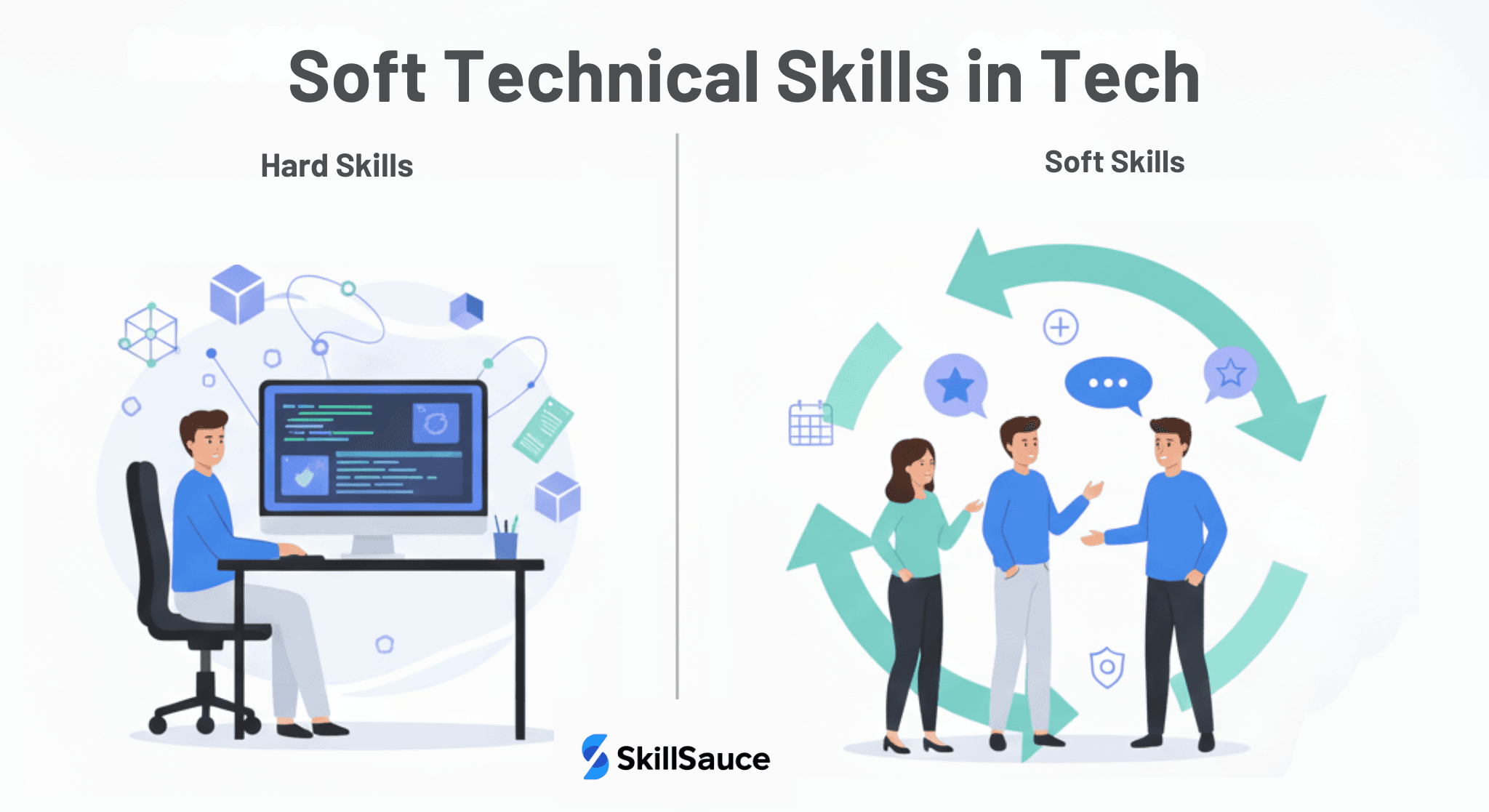
Unlike hard technical skills (like coding, data structures, or cloud architecture), soft technical skills emphasize how professionals work with others. They involve non-technical attributes—such as problem-solving, clarity in communication, adaptability to change, and team empathy.
Without these skills, even the most talented engineers may struggle with project delivery, misaligned goals, or team friction.
Why Soft Skills Matter in Tech Teams
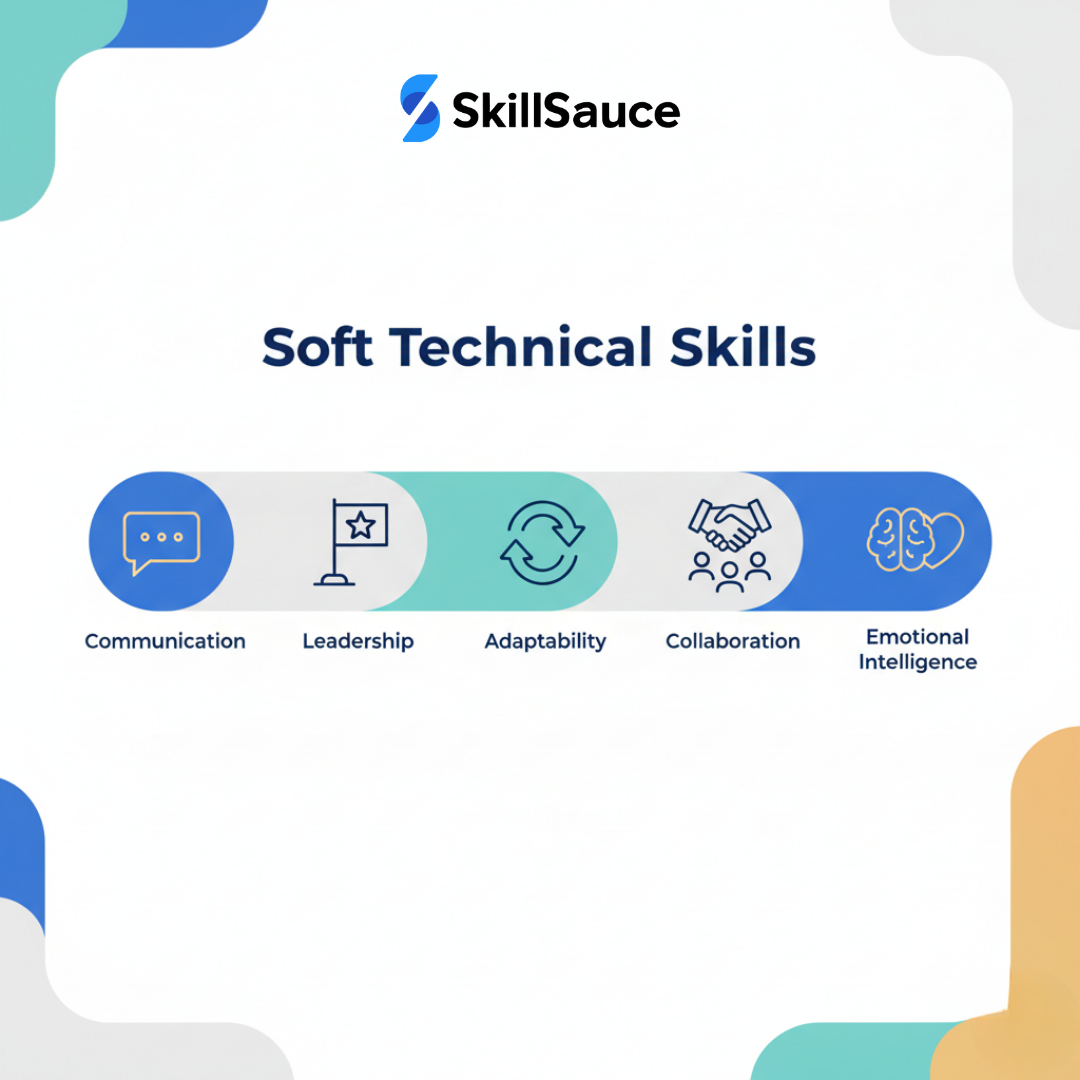
- Collaboration & Communication: Developers need to explain technical ideas in plain language for non-technical stakeholders. Poor communication often leads to delays or misalignment.
- Leadership in Projects: Tech leaders who motivate, delegate, and align strategy are more likely to achieve successful outcomes.
- Adaptability in Innovation: Rapidly changing tools and frameworks demand resilience and openness to learning.
- Emotional Intelligence & Team Cohesion: High EI helps manage conflict and builds trust, essential in hybrid and remote setups.
Measuring Soft Technical Skills: Frameworks, Tools, and Methods
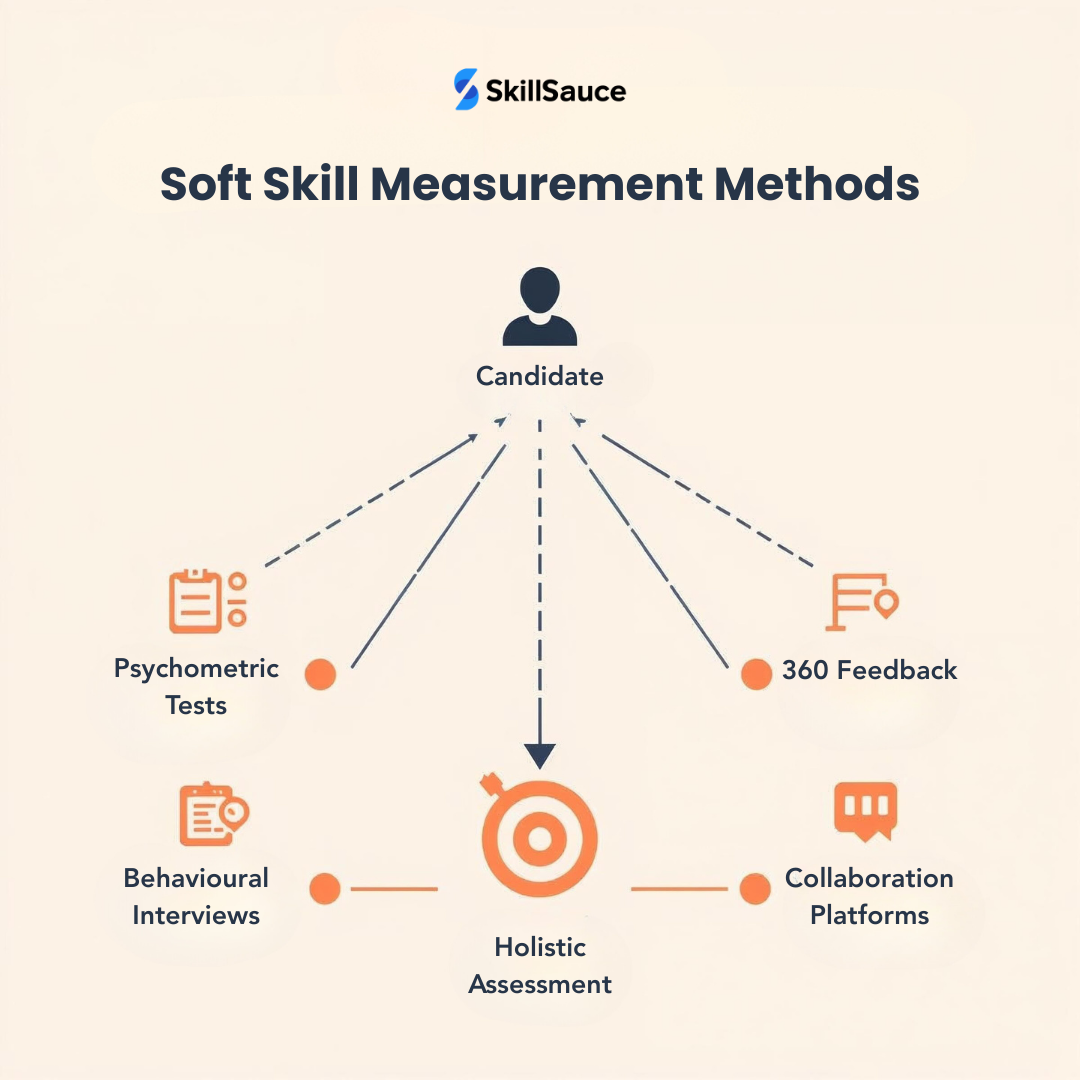
Organizations are now investing in reliable ways to measure soft skills alongside technical ability.
- Psychometric Tests (e.g., MBTI, DISC) – help assess communication, adaptability, and teamwork styles.
- 360-Degree Feedback – collects evaluations from peers, subordinates, and managers for a holistic view.
- Behavioral Interviews & Situational Judgment Tests – simulate real-world scenarios to measure problem-solving and collaboration.
- Collaboration Platforms – observing candidate interactions on Slack, Jira, or GitHub reveals teamwork patterns.
Case Studies: Companies Leading with Soft Skills
- IBM integrated soft skill assessments into mobility programs, which improved retention and increased employee satisfaction.
- HubSpot adopted structured interviews focusing on communication and collaboration, leading to stronger cross-functional alignment.
- LinkedIn (2025 report) notes that 92% of hiring managers consider soft skills equally important or more important than hard skills when evaluating candidates.
Risks of Neglecting Soft Skills in Tech Teams
- Miscommunication can cause missed deadlines and costly errors.
- Lack of leadership creates disengaged teams and low morale.
- Ignoring adaptability limits growth in dynamic markets where new tools emerge rapidly.
Best Practices for Integrating Soft Skills in Tech Organizations
- Recruitment Stage: Incorporate behavioral and psychometric tests in hiring.
- Onboarding: Train new hires in adaptability and collaboration techniques.
- Performance Reviews: Include soft skill metrics like communication and team contribution.
- Talent Retention Programs: Build mentorship and leadership workshops to nurture long-term engagement.
Future Trends: The Growing Importance of Soft Skills

As AI takes over routine technical work, soft skills like emotional intelligence, adaptability, and leadership will become the true differentiators.
- By 2030, 39% of core job skills will have shifted, with soft skills becoming central (World Economic Forum).
- AI-driven platforms will increasingly measure not only technical coding ability but also how candidates collaborate, adapt, and lead.
Conclusion: Building Future-Ready Tech Teams
Soft technical skills are no longer “nice-to-have”—they’re essential for sustainable success in technology. By measuring and nurturing communication, leadership, adaptability, and emotional intelligence, organizations can build teams that are not only technically capable but also resilient, innovative, and collaborative.
Whether you’re hiring developers, project managers, or tech leaders, prioritizing soft technical skills is key to unlocking higher productivity, retention, and innovation in the workplace.