

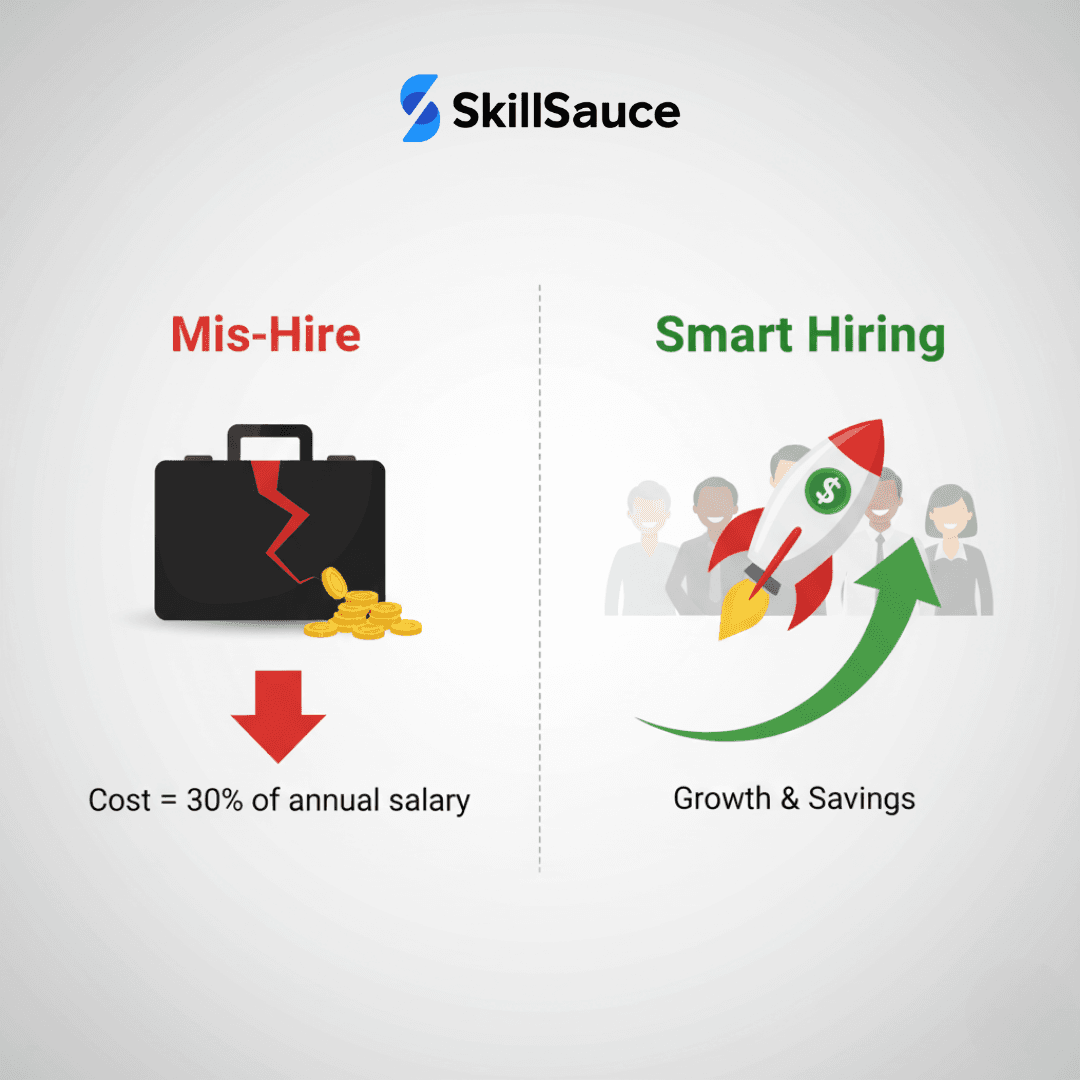
Why Mis-Hires Can Break a Startup
Hiring the wrong person is one of the most expensive mistakes a startup can make. According to the U.S. Department of Labor, a single bad hire can cost up to 30% of the employee’s annual salary. For early-stage companies with limited runway, even one mis-hire can derail product development, team morale, and growth momentum.
Startups face unique challenges:
- Limited resources make it difficult to recover from bad hires.
- Brand invisibility reduces access to top-tier candidates.
- High salary competition with big tech leaves startups outbid.
- Unstructured hiring often leads to decisions based on “gut feel” instead of data.
This is where background tests for employment and structured pre-employment testing can change the game.
What Are Background Tests for Employment?
Background tests for employment go beyond simple CV checks. They include:
- Criminal background verification – ensures safety and compliance.
- Education & credential verification – validates degrees, certifications, or licenses.
- Employment history verification – confirms experience and responsibilities.
- Reference checks – provides insights into past performance.
- Skill-based assessments – coding tests, psychometric evaluations, and aptitude checks.
While many founders think of background checks only as legal due diligence, modern startups now combine them with skill-based hiring to build teams that are both trustworthy and technically strong.
👉 Explore how SkillSauce ATS integrates assessments with hiring workflows.
Why Pre-Employment Testing Matters for Startups
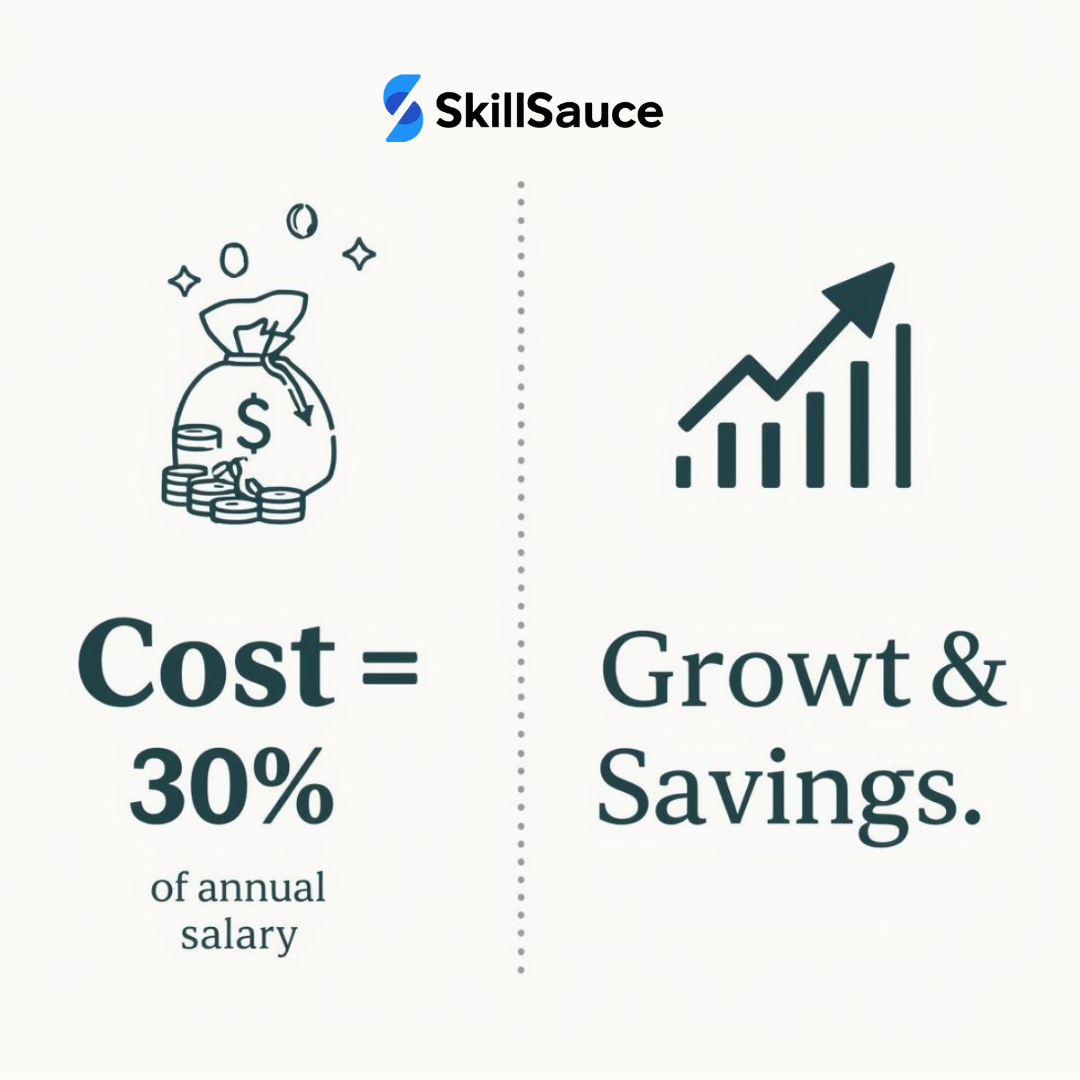
According to SHRM (2023), 73% of employers now use pre-employment testing. For startups, the benefits are even more crucial:
- Avoid costly mis-hires → Up to 40% lower turnover with validated assessments.
- Faster hiring cycles → Skill-based assessments reduce time-to-hire by 25–30%.
- Stronger culture fit → Psychometric testing aligns hires with company values.
- Bias reduction → Objective scoring widens the talent pool beyond elite universities.
These insights are echoed in Harvard Business Review research, which shows that skill-based hiring can increase retention by 10% and productivity by 25%.
Best Practices for Avoiding Mis-Hires
- Combine background checks with assessments Don’t rely on resumes alone. Use coding projects, aptitude tests, and psychometric evaluations to validate real-world skills.
- Adopt structured interviews Define scoring rubrics for both technical and behavioral rounds. This reduces interviewer bias and improves comparability.
- Test for culture fit Use psychometric testing to assess collaboration, adaptability, and communication skills—critical for small startup teams.
- Move fast but not reckless Developers juggle multiple offers. Streamline processes with AI interview tools and instant feedback loops.
- Offer equity and growth opportunities Research shows that equity, autonomy, and impact often outweigh salary for top developers.
Tools & Platforms for Pre-Employment Testing
| Platform | Focus | Why It Matters for Startups |
|---|---|---|
| SkillSauce | ATS + AI-powered assessments | End-to-end hiring: aptitude, psychometric, non-IT, AI interviews |
| HackerRank | Coding tests | Widely used for developer screening |
| TestGorilla | Multi-skill + ATS sync | Suitable for diverse roles |
| Mercer Mettl | Psychometric + aptitude | Strong for culture and role fit |
| Codility | Real-world coding scenarios | Ideal for evaluating problem-solving |
Case Studies: Startups That Got It Right
- GitLab scaled globally as a remote-first startup by combining coding assessments with structured interviews, ensuring every hire was vetted for both skills and culture fit.
- Atlassian relied heavily on skill-based evaluations and open-source contributions to avoid bad hires while scaling engineering teams.
- Stripe used targeted skill assessments and employer branding (technical blogs, community engagement) to attract high-quality developers.
Each of these companies proved that structured assessments reduce mis-hires and accelerate scaling.
Industry Benchmarks Every Startup Should Know
- 85%+ developers expect flexible or remote-first policies (Stack Overflow Survey 2025).
- Turnover reduction by 40% when using pre-employment testing (SHRM, 2023).
- 30% faster hiring in startups using skills-first models (Gartner, 2024).
- 16x larger talent pool when dropping degree filters and focusing on skills (LinkedIn, 2023).
Final Thoughts
For startups, every hire counts. Mis-hires aren’t just financial losses—they can slow down momentum and create cultural fractures. By adopting a background test for employment strategy, combined with pre-employment assessments and structured interviews, startups can avoid costly mistakes and build resilient teams.
SkillSauce helps startups do exactly that: integrating background checks, skill-based hiring, and AI-driven interviews into one seamless workflow.
Explore SkillSauce Features to future-proof your hiring process.