


The average cost per hire reached $5,475 for non-executive roles in 2025 according to SHRM — and many employers estimate the total cost of a technical hire at three to four times the position's salary when you include onboarding, productivity ramp-up, and the cost of the vacancy itself.
Technical hiring in 2026 is harder than ever. The developer talent shortage is growing, with 2 million open positions expected this year, up from 1.4 million in 2025. Senior developers now average $235,000 in salary, and offer acceptance rates have dropped to 51% — meaning companies are competing harder for a smaller pool of talent that is less likely to accept the offer when it comes. The digital world is changing fast. Companies that use AI-powered screening have managed to cut their time-to-hire by up to 50%. Industry leaders like Google and Hilton have seen remarkable results.
These numbers define the competitive reality for technical recruitment in 2026. Even with the growth of technical recruitment solutions, 90% of hiring managers find it hard to find skilled candidates. Candidate screening takes up more than 30% of recruiters' time. Companies lose an average of $17,000 on each bad hire, which puts extra pressure on technical recruitment agencies.
This piece will show you four proven ways to become skilled at technical recruitment and cut your developer hiring time in half. We'll focus on asynchronous interviews, AI-powered assessments, automated screening, and better team collaboration.
Why Traditional Technical Hiring Fails Developers
Technical hiring has become a bottleneck instead of a path to finding talented developers. The gap between hiring practices and the tech talent market's reality frustrates everyone involved.
Slow screening and scheduling delays
The technical talent market moves fast. LinkedIn data shows the best software engineers get snapped up within 10 days. Yet companies take over 40 days on average to complete their hiring process. This means your ideal candidates accept other jobs while you're still trying to set up interviews.
HR departments try their best but often don't have enough technical knowledge to judge if candidates really know specialized technical concepts. They end up relying on keyword matching instead of properly assessing skills. This leads to candidates who might list "Python" on their resume but can't write a simple function.
There's another reason why great candidates slip away - scheduling delays. Candidates lose interest and pick other opportunities when they have to wait weeks between interview rounds. Your chances of landing top talent decrease the longer your hiring process takes.
Inconsistent evaluation methods
Teams lack standardization in their technical evaluations. Some managers prefer whiteboard interviews while others like take-home projects. Candidates get confused and comparing applicants becomes almost impossible.
The core team's inexperience tops the list of problems in technical evaluations, according to 47% of acquisition professionals. Making things worse, 74% of professionals didn't know about any standardized training for technical evaluators at their companies.
Job descriptions often don't match what gets tested in interviews. Candidates feel deceived when job posts highlight certain skills but interviews test completely different ones. This hurts your company's reputation and makes it harder to find developers who fit your needs.
High drop-off rates among top candidates
The candidate drop-off numbers should worry you - 75% of candidates quit during recruitment in many organizations. This quiet drain on revenue happens because:
- Poor communication—47% of candidates leave because they don't get updates or clear next steps
- Lengthy applications—60% of job seekers quit applications that drag on
- Ghosting—40% of candidates ghost companies when communication breaks down
Tech candidates won't stick around if you go silent. Developers move on to more responsive employers when updates are slow or missing. They also won't waste time on generic coding tests that don't reflect the actual job.
Bad interviews do more than just cost you candidates. They damage your reputation as an employer - 75% of rejected candidates won't try again with the same company. This creates lasting damage to your technical recruitment efforts.
Way 1: Eliminate Scheduling Delays with Asynchronous Interviews

Image Source: Hackajob
Time kills deals—and it definitely hurts your chances of hiring top technical talent. Most companies overlook scheduling conflicts as "just part of recruitment," yet these conflicts create major bottlenecks in the hiring process. Let's see how asynchronous interviews can change your technical recruitment process.
How asynchronous video interviews work
Asynchronous video interviews (AVIs) let candidates record their answers to preset questions using their webcam or smartphone. The interviewer doesn't need to be present during the recording.
The process works like this:
- Recruiters create standardized questions and set time limits for responses
- Candidates get an invitation link to the interview platform
- Applicants record their answers whenever they want before a deadline
- Hiring teams watch recordings at their convenience
This method helps technical recruitment agencies assess candidates based on their merit rather than their availability.
Benefits for global and remote hiring
AVIs eliminate geographical barriers that usually limit technical officer recruitment. Companies can now build global talent pools because candidates record interviews at their convenience, without worrying about time zones.
This flexibility supports the fundamental change toward remote work. McKinsey predicts remote work could be up to 5x greater post-pandemic than before. Technical recruitment solutions can now find specialized talent anywhere—a crucial advantage since 90% of employers struggle to find skilled workers.
AVIs make technical recruitment more inclusive. The format helps several groups of candidates:
- People who can't afford travel costs
- Candidates with disabilities who prefer video interviews
- Busy professionals who can't leave work for interviews
This approach brings in talent from different backgrounds, which helps fill roles needing specific technical skills.
Reducing no-shows and reschedules
The biggest advantage comes from fewer missed interviews. Traditional interview no-show rates range from 20-50% across industries. These missed meetings delay hiring and waste resources.
AVIs solve this problem. Candidates complete interviews when they want, which eliminates scheduling issues that cause cancelations. Plus, recordings stay available forever, so true "no-shows" don't exist.
These interviews end the tedious back-and-forth of scheduling. Half of all candidates quit the hiring process because scheduling takes too long. Technical recruitment firms keep candidates interested by removing this hassle.
The effect on time-to-hire stands out. One company saved hiring coordinators up to 80% of their scheduling time after automating the process. Technical recruitment teams can focus on finding great candidates instead of managing calendars.
Candidates love this approach—more than 50% prefer automated scheduling for interviews. They appreciate how it respects their time and makes the hiring process smoother.
Way 2: Use AI to Assess Developer Skills Faster
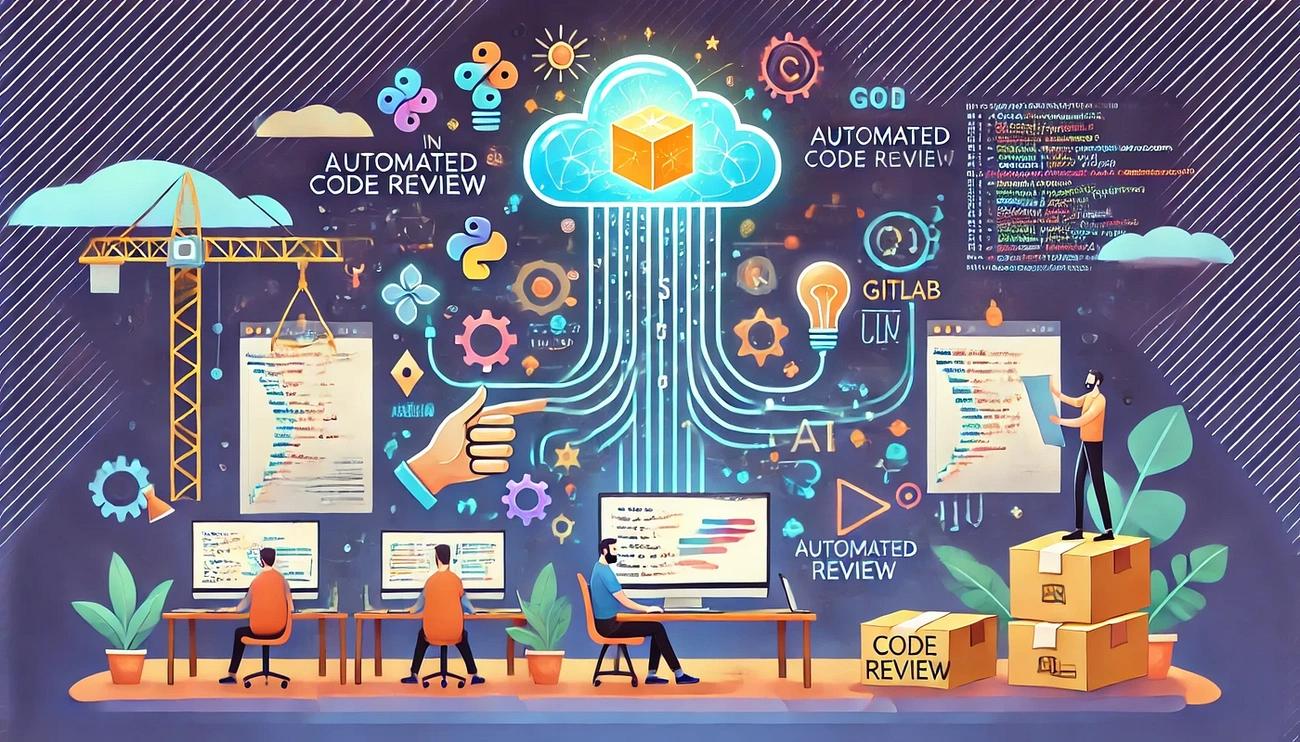
Image Source: Medium
AI engineer job postings jumped 109% year-over-year from 2024 to 2025, and the wage premium for AI-skilled workers now sits at 56%, according to PwC's 2025 Global AI Jobs Barometer. The assessment challenge is no longer just whether a candidate can write code — it is whether they can manage AI systems, validate AI outputs, and work effectively in AI-augmented development workflows. 84% of developers use or plan to use AI tools, but only 29% trust AI output — meaning your assessments need to test judgment and validation skills, not just syntax. Once candidates enter your pipeline, you need to measure their skills accurately without time-consuming manual processes. Modern technical recruitment solutions use artificial intelligence to streamline developer assessment.
Automated code review and scoring
Automated code review tools offer exceptional efficiency in technical recruitment. These systems scan and review source code automatically to find issues related to syntax, security, and violations of code standards. The process works through AI-powered platforms that:
- Review code submissions automatically against expert examples
- Check how well candidates spot issues and explain their thinking
- Show clear results with detailed scoring explanations
Technical recruitment agencies see substantial benefits from this approach. Automated code review spots common issues early, which lets reviewers concentrate on complex evaluations. The technology validates candidate compatibility and improves placement rates while cutting down hiring time.
Natural language processing for communication analysis
Developers need strong communication skills along with their coding expertise. Natural language processing (NLP) brings a revolutionary solution to technical officer recruitment by analyzing linguistic content instead of relying on gut feelings.
NLP technologies can analyze the tone of cover letters and communications to learn about a candidate's enthusiasm, cultural fit, and overall attitude. On top of that, it helps predict job performance by utilizing historical data and linguistic patterns.
Technical assistant recruitment has moved beyond simple keyword matching. NLP algorithms grasp the context and subtleties of skills and experiences. This creates a sophisticated matching process that finds candidates who have the right skills and fit company culture.
Reducing bias in technical officer recruitment
AI brings a most important advantage to technical recruitment by reducing hiring bias. Well-implemented AI assessment tools limit human involvement in pre-screening processes. This helps evaluate candidates objectively based on their skills and qualifications.
Research shows why addressing bias matters—candidates with foreign-sounding names must send 50% more applications than equally qualified majority-group candidates just to get interview invitations. AI-powered tools make evaluation processes standard, so all candidates face the same assessment criteria.
All the same, everyone should be careful since automation bias happens when recruiters trust AI recommendations too much without thinking critically. The best technical recruitment solutions combine AI efficiency with human oversight to create fair and clear hiring processes.
Way 3: Automate Resume and Application Screening
Screening candidates remains one of the biggest time drains in developer recruitment. Recruiters face hundreds of applications per role, and reviewing every resume becomes nowhere near possible without compromising quality or speed. AI automation provides a powerful answer to this challenge.
AI-powered filtering for technical roles
Modern AI screening tools work way beyond the reach and influence of simple keyword matching that traditional ATS systems provide. These advanced systems use natural language processing to understand context and distinguish between someone who "attended a Python course" versus someone who "built production systems in Python". This contextual understanding helps technical recruitment agencies spot candidates with genuine expertise instead of just keyword-stuffed resumes.
To cite an instance, automated resume screening processes thousands of applications simultaneously within minutes. Manual screening of 100 resumes takes about 10 hours. The Saudi Ports Authority processed 22,000 applications in just 4 hours with advanced resume parsing technology.
Custom scoring based on job requirements
Technical recruitment solutions now give you customized scoring frameworks that review candidates against specific criteria for each role. These systems rank applicants based on how well they arrange with your ideal candidate profile. Recruiters can then focus on candidates who score 90% or higher on relevant criteria.
Automated candidate scoring reviews applications using predefined factors like experience, education, skills, and keywords that match job descriptions. This standardized approach will give a fair evaluation to all candidates and reduces potential bias in the hiring process. Companies that use AI for hiring see a 30% reduction in cost-per-hire.
Saving recruiter time with technical recruitment solutions
AI-powered screening creates dramatic improvements in efficiency for technical recruitment teams. The technology filters out candidates who don't meet the work to be done criteria like years of experience, required certifications, or key technical skills. This prevents recruiters from drowning in irrelevant applications.
Candidates who cross a scoring threshold can move directly to assessment or video interview scheduling without waiting for a recruiter. This automation optimizes recruitment workflows and cuts down administrative tasks that eat up recruiter time.
Companies that use AI-powered screening report their time-to-hire drops by up to 50%. Technical recruitment teams can now focus on high-value activities like candidate interaction instead of manual resume reviews.
Way 4: Improve Team Collaboration in Hiring Decisions
Poor collaboration between hiring teams creates bottlenecks in technical recruitment. Teams waste time when they can't share candidate information easily.
Centralized candidate review systems
A centralized platform serves as the single source of truth for candidate information. The system unifies all touchpoints, results, and communications. Teams can compare candidates side-by-side and spot strengths or gaps right away. This clear record of interactions proves that decisions came from objective criteria, which helps with compliance.
Technical recruitment agencies benefit from centralized systems that prevent duplicate candidate contacts and missed feedback. Companies using these systems report a 35% reduction in time-to-fill positions.
Asynchronous feedback collection
Teams can maintain hiring momentum despite busy schedules by collecting feedback asynchronously. Team members get time to think deeply about their responses, which leads to better quality feedback even in fast-moving environments.
The biggest problem emerges when team members work in isolation - they might contact candidates others have already reached out to. Asynchronous feedback tools solve this issue effectively.
Faster consensus with structured scorecards
Structured scorecards bring consistency to evaluation processes. These scorecards help hiring managers assess candidates against clear requirements. Review sessions bring all interviewers together to share their views and reach unbiased consensus.
Harvard Business Review research shows that structured interviews with scorecards can cut hiring bias in half.
How SkillSauce supports technical recruitment
SkillSauce is built for the technical recruitment challenges covered in this guide. The platform combines role-specific skills assessments across 338 standardised job profiles — including software development, data science, and systems architecture — with AI-powered interview evaluation through TESSA AI and integrated AI proctoring for remote assessment integrity.
For technical teams, this means structured, consistent candidate evaluation that replaces informal whiteboard interviews and inconsistent coding challenges with validated, comparable assessment data. Hiring managers get objective scores alongside conversational evidence from AI interviews — reducing the subjective variation that makes technical hiring decisions slow and inconsistent.
Nearly 30% of job postings no longer require degrees in 2026 — skills-based assessment is becoming the standard evaluation method, and SkillSauce's test library is built around this shift.
Conclusion
Modern technical recruitment has moved way beyond the old, time-consuming methods that leave both companies and candidates frustrated. This piece explores four powerful strategies that will revolutionize your developer hiring process and cut your time-to-hire by a lot.
Asynchronous interviews solve the scheduling headaches that plague most recruitment processes. Candidates can now showcase their abilities when it suits them, while your team reviews responses at their convenience. AI-powered skill assessments offer unbiased evaluation of technical abilities without manual oversight.
Automated screening changes the game completely. It processes thousands of applications in minutes instead of the hours or days needed for manual review. Your technical recruiters can now focus on valuable activities rather than getting buried in resume reviews. A centralized system and well-laid-out scorecards help teams cooperate better throughout the hiring process.
The results speak for themselves. Companies that embrace these modern recruitment approaches can reduce their developer hiring time by 50% while boosting candidate quality and experience. Audit Your Current Developer Pipeline — Free! to spot bottlenecks in your process and learn which strategies will best optimize your technical recruitment.
The competitive window for technical talent is narrow. Top talent disappears in 10 days. The companies that hire well are the ones that have built the infrastructure to move that fast without cutting corners on quality. Companies that hire top talent quickly gain a massive edge in today's competitive tech world.
Key Takeaways
Master these four proven strategies to transform your technical recruitment process and dramatically reduce hiring time while improving candidate quality.
• Implement asynchronous interviews to eliminate scheduling delays and reduce no-shows by up to 75% while expanding your global talent pool
• Deploy AI-powered assessments for automated code review and skill evaluation, cutting screening time by 50% with objective, bias-free candidate analysis
• Automate resume screening using intelligent filtering that processes thousands of applications in minutes instead of hours, focusing recruiter time on qualified candidates
• Centralize team collaboration with structured scorecards and unified review systems to reduce hiring bias by 50% and accelerate consensus building
• Traditional hiring methods fail because they're too slow for today's tech market where top developers get hired within 10 days, not the typical 40+ day process
The companies implementing these modern recruitment technologies report cutting their developer hiring time in half while reducing cost-per-hire by 30%. In today's competitive tech landscape, speed and efficiency in hiring aren't just advantages—they're necessities for securing top talent before competitors do.