Introduction
AI video interviews have revolutionized the way companies hire people. Today, 79% of recruiters use this technology to find talent. This marks a dramatic change from traditional in-person interviews.
The data tells a compelling story. Research shows that 67% of HR professionals see AI as a positive force in recruitment. Most candidates find these virtual interviews user-friendly, with 81% reporting ease of use. Teams fill positions 30% faster with AI-powered video interviews, according to 67% of talent acquisition leaders. These numbers show the real impact of AI tools on hiring.
AI video interviews create a level playing field. Each candidate answers the same questions. This removes the problem of different interviewers asking different questions. Hiring managers can compare candidates better, reduce their time investment, and avoid scheduling hassles.
The pandemic has accelerated this change. Most hiring teams - about 81% - plan to keep using virtual recruiting. They see AI solutions as key parts of their tech toolkit. Our TESSA AI Interview platform leads this development at SkillSauce. We help teams adapt to modern recruitment methods.
This piece covers everything about AI video interviews. You'll learn the technology basics, ways to set up good processes, and important ethical points to think about. The guide helps both newcomers and experienced users become skilled at AI-assisted hiring.
Understanding AI Video Interviews
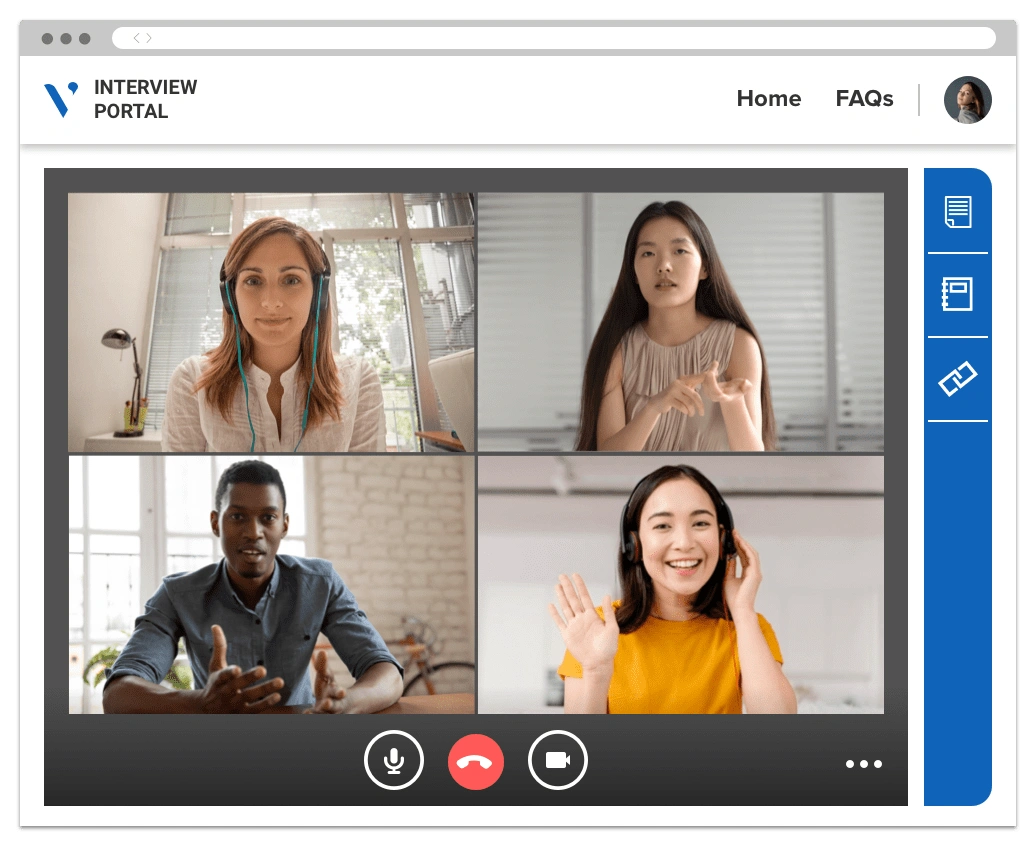
Image Source: Avature
AI video interviews are changing how companies hire people. They help teams make faster, unbiased decisions in today's fast-paced recruitment world.
What is an AI video interview?
Artificial intelligence now evaluates job candidates through video responses instead of traditional human interviews. These smart screening tools use advanced algorithms to analyze answers, behaviors, and communication skills. AI video interviews give you consistent, skills-based evaluations without the hassle of scheduling or bias issues.
AI video interviews are tech-powered assessments where candidates answer preset questions on video. The AI then looks at everything from what they say to how they say it. TESSA AI Interview by SkillSauce shows how this technology makes early screening easier while treating every applicant fairly.
How do AI video interviews work?
The process runs smoothly for both candidates and recruiters:
For candidates:
- Receive a secure interview link via email or ATS
- Complete technical setup (camera/microphone test)
- Practice with sample questions to feel more comfortable
- Record responses or chat with AI in real-time
- Submit answers for instant AI processing
For recruiters:
- Send automated invitations (one link works for hundreds of candidates)
- AI checks recorded answers using scoring models
- System ranks candidates based on skills and clarity
- Recruiters focus on the best matches
AI looks at keywords, relevance, tone, confidence, and sometimes facial expressions in candidate responses. This saves recruiters time on initial screening. The numbers back this up - 67% of HR managers say AI-driven interviews help them find better candidates.
Types of AI-powered video interviews
You'll find two main types of AI video interviews:
- One-way AI video interviews (asynchronous): Candidates record answers to questions whenever it suits them. These work best for:
- Large-scale hiring
- First-round screening
- Jobs needing specific skill checks
- Conversational AI video interviews (synchronous or asynchronous): These feel like real conversations between candidates and AI interviewers. The AI asks questions and adapts based on answers. They work great for:
- Senior or complex roles
- Jobs where personality matters
- Engineering, sales, or leadership positions
Research shows these AI solutions cut hiring bias by 32%, which leads to more diverse teams. The speed boost is impressive too - automated scheduling and structured ratings cut review time by 35%.
AI video interviews do more than save time. They ensure every candidate gets a fair shot. With tools like TESSA by SkillSauce, hiring teams can spot the best talent quickly instead of spending hours on basic screening.
Why Hiring Teams Are Adopting AI Interviews
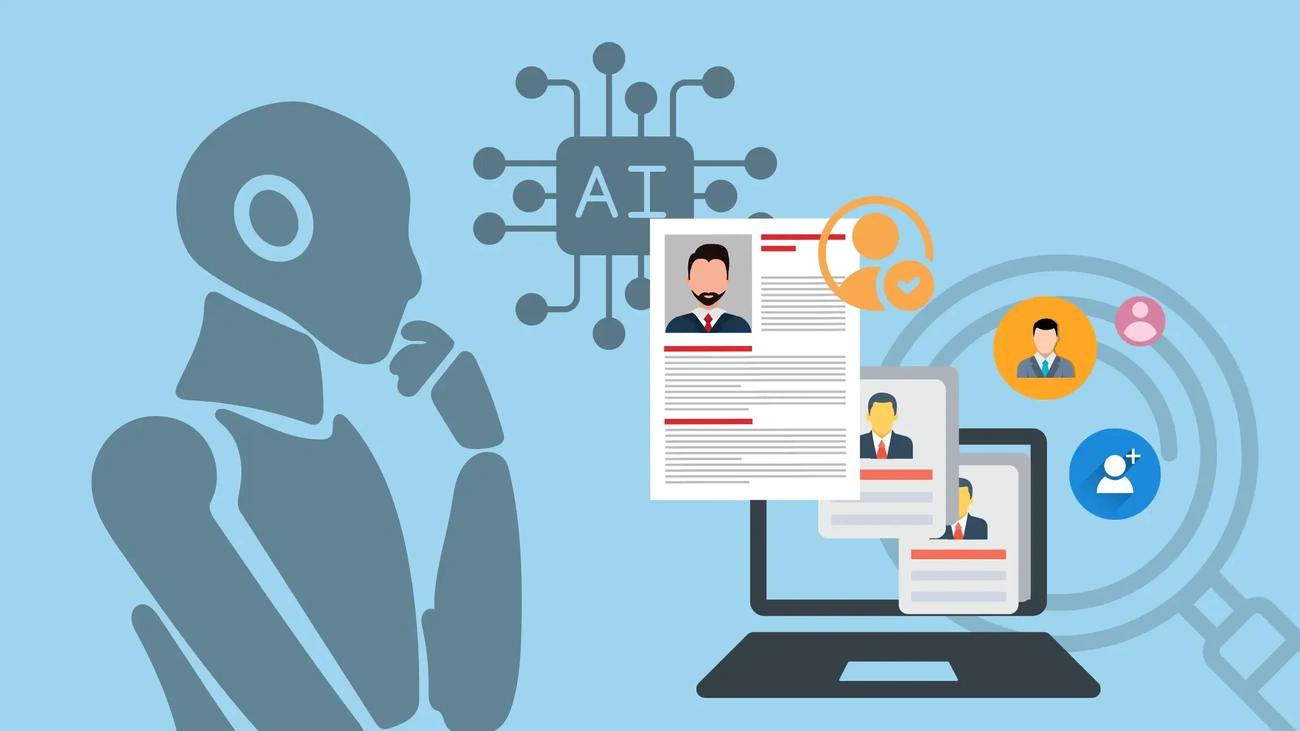
Image Source: iSmartRecruit
"Some people call this artificial intelligence, but the reality is this technology will enhance us. So instead of artificial intelligence, I think we'll augment our intelligence." — Ginni Rometty, Former CEO of IBM, leader in enterprise AI adoption and augmentation
Companies of all sizes now head over to AI video interviews as key tools in their recruitment arsenal. The numbers behind this change speak volumes, and with good reason too.
Speed and scalability in screening
Traditional hiring takes too much time. AI-powered video interviews have changed everything. PwC data shows companies using these solutions cut hiring costs by 67% and reduce time-to-hire by 45%. Teams using AI recruitment technology see their efficiency increase by 40%, according to Deloitte's research.
The efficiency gains come from a simple source. AI video interviews remove the scheduling hassles that plague traditional recruitment. This asynchronous approach lets:
- Candidates complete interviews whenever they want
- Recruiters review responses at the best times
- Multiple team members review candidates at once instead of one after another
The screening time drops by up to 80% based on InCruiter research. A single recruiter can screen 5x more candidates with AI video interviews compared to traditional methods. TESSA by SkillSauce helps teams process thousands of applicants without compromising quality.
Consistency and fairness in evaluation
AI interviews create a fairer evaluation environment beyond just speed benefits. About 68% of recruiters say AI in hiring helps reduce accidental bias. AI video interviews make this possible in two ways.
Each applicant gets similar questions under the same conditions, which creates truly comparable results. Harvard Business Review studies show structured interviews make hiring 25% better.
AI uses objective analysis through data and algorithms instead of gut feelings. This well-laid-out approach brings consistency that human reviewers find hard to maintain across many candidates. Unilever's experience proves this point - they saw a 16% increase in diverse hires after starting AI interviews.
Improved candidate experience
Of course, efficiency matters - but candidate satisfaction matters just as much. Most candidates prefer the flexibility of asynchronous interviews over scheduled calls, with 76% favoring this approach according to Qureos research.
This preference makes sense. Candidates can complete interviews when and where they want. People with time zone differences, family responsibilities, or current jobs find it easier to participate. AI interviews also work better for candidates with disabilities.
AI platforms give instant feedback and work 24/7. Monster's research shows video content helps 80% of candidates understand jobs better. CareerBuilder reports 34% more applications when job posts include videos.
TESSA by SkillSauce's clients found another plus - faster processing leads to more accepted offers. Companies using AI recruiting software see 18% higher acceptance rates compared to traditional methods. This advantage matters a lot in today's competitive talent market.
Explore How TESSA AI Runs Smarter Video Interviews
See how teams screen candidates faster, fairly, and at scale.
How to Set Up an Effective AI Interview Process
Setting up an effective AI interview process needs good planning and smart implementation. Here's how to build a system that works consistently.
Define clear evaluation criteria
A good evaluation criteria forms the base of successful AI interviews. Companies need to develop a competency-based framework that shows what they will assess. The standards help interviewers and candidates understand what to expect, whether they check technical skills or leadership traits. Harvard Business Review research shows structured evaluation processes cut bias by up to 45% and make predictions 25% more accurate.
Start by identifying the specific skills needed for the role. Then create standardized scoring rubrics with clear metrics for each skill. This way ensures fair assessment of all candidates against similar benchmarks.
Choose the right platform (e.g., TESSA by SkillSauce)
AI interview platforms come with different capabilities. Look for these vital features when picking a solution:
- Multi-format response collection that supports video, audio, and text based on role needs
- Customizable question libraries to tailor for specific positions
- Team collaboration tools that let multiple evaluators review candidates
- Integration capabilities with your existing ATS and HR systems
TESSA AI by SkillSauce shows these qualities through its advanced Retrieval-Augmented Generation technology. The platform finds key skills, arranges them with job needs, and gives instant feedback for quick decisions. Its evidence-based approach matches candidates to roles with 60% better assessment accuracy.
Design structured and role-specific questions
Good questions help you learn more about candidates. The best AI interview questions mirror real work scenarios instead of just asking about past experiences.
AI can help create tailored questions based on the job description. Recruiters save time while keeping questions relevant and detailed. The next step is to work together with hiring managers to improve the questions. Focus on hard skills, soft skills, and behavioral intelligence.
Ensure accessibility and inclusivity
AI interviews should be available to everyone. Give clear instructions and technical help before the interview. Let candidates choose from multiple response formats and make sure they can use mobile devices.
Make accommodations available when asked. Studies show candidates with disabilities need to feel secure to share their needs. Include accessibility details in every message and keep a separate webpage that lists all available features.
Best Practices for Interview Scoring and Review
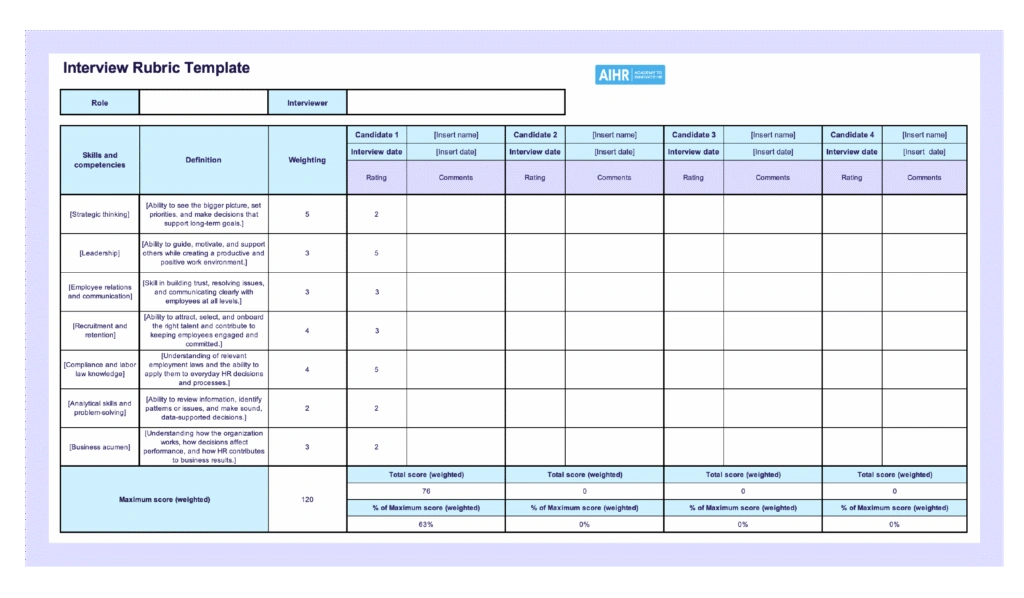
Image Source: AIHR
The right way to review AI video interviews demands a well-laid-out approach that will give a fair and consistent candidate assessment. Your recruitment technology's value will increase by putting these tested practices to work.
Use standardized scorecards
Scorecards turn gut feelings into measurable criteria and help teams focus on skills that matter most. A properly designed recruitment scorecard will help interviewers pick better candidates. Here's what you need to know at the time of creating scorecards for AI video interviews:
- Keep it simple with 5 criteria maximum to stay focused
- Watch and score each answer right away to cut down bias
- Write specific notes to back up your ratings, not just numbers
A standard approach cuts down bias and creates an objective review process that works time after time. SkillSauce's TESSA AI Interview platform uses structured frameworks to review each candidate's response with similar criteria.
Combine AI scoring with human judgment
Human context should drive the final decision—AI scores help maintain consistency but shouldn't replace human review. AI makes the data consistent, yet human oversight remains a vital part of hiring decisions. Yes, it is worth noting that the LinkedIn Future of Recruiting 2025 Report found AI-supported recruiters made better hires 9% more often.
Train reviewers for consistency
Calibration sessions help reviewers line up their interpretations. Good training needs regular practice:
- Compare AI ratings with your team's assessments using weekly transcripts
- Write down what "good" means in simple terms
- Meet to discuss tricky cases
This method helps reviewers use the same standards for all candidates.
Avoid over-reliance on facial or tone analysis
HireVue stopped using facial analysis after research showed it "didn't add substantial value to assessments". No independent research has verified facial analysis as a way to predict job success. The technology might also rule out talented candidates who don't match the expected pattern of "smiling at the right moment".
The best approach focuses on content quality and key skills like clear communication, organized thinking, and subject expertise. This method provides more reliable, job-relevant evidence without adding potential bias.
Future Trends and Ethical Considerations
"By far, the greatest danger of Artificial Intelligence is that people conclude too early that they understand it." — Eliezer Yudkowsky, AI safety researcher and co-founder of Machine Intelligence Research Institute
AI video interview technology evolution brings new challenges for HR leaders who shape tomorrow's hiring practices.
The rise of emotional AI and behavioral analytics
Emotional AI wants to decode how candidates communicate and behave during interviews. These tools promise better assessments. However, psychologists warn that facial expressions don't mean the same things across different cultures. New developments now focus on AI systems that explain their decisions clearly. Teams that use platforms like TESSA by SkillSauce should keep these evolving capabilities in mind but stick to evidence-based evaluations.
Legal and compliance frameworks (e.g., GDPR, BIPA)
AI recruitment now faces strict regulatory control. The Illinois AI Video Interview Act makes employers notify candidates, explain how AI works, get clear consent, and delete data within 30 days if asked. GDPR rules demand transparency, consent, and human oversight for automated decisions. Companies risk fines up to €10 million or 2% of revenue for breaking these rules. Organizations need resilient access controls and encrypted storage for candidate data. Extra rules from the Biometric Information Privacy Act might apply if facial geometry gets scanned.
Balancing automation with human empathy
Technology keeps advancing, but only 30% of HR teams feel sure they've found the sweet spot between tech and human touch. The best approach lets AI handle routine work while keeping human judgment for important decisions. Experts say AI shouldn't deliver feedback, handle conflicts, or manage sensitive talks. Giving candidates a chance for human review builds trust and fits with new regulations.
Conclusion
AI video interviews have revolutionized the way companies hire people. These tools give hiring teams a better way to screen candidates fairly and quickly. 67% of HR professionals have seen better recruitment results with AI, and 81% of candidates find these virtual interviews easy to use.
The advantages go well beyond just making things easier. Teams that use AI interview tools hire 45% faster, cut costs by 67%, and see 40% better results. These platforms also make sure every candidate gets similar questions under the same conditions, which cuts bias by 32%.
Making AI interviews work takes good planning. Teams need clear ways to evaluate candidates and questions that fit each role. The right platform choice is a vital part of success. SkillSauce's TESSA AI Interview shows what a great solution looks like with its advanced Retrieval-Augmented Generation technology. It matches candidates to roles with 60% greater evaluation accuracy.
All the same, AI should make human judgment better, not replace it. The best results come from mixing AI's steady approach with a recruiter's expertise. AI-backed recruiters make quality hires 9% more often. Teams must watch out for ethical issues, privacy rules, and keep the human touch in hiring.
The future brings emotional AI and behavioral analytics, but teams should stick to proven evaluation methods rather than experimental tech. Rules like GDPR and the Illinois AI Video Interview Act will guide how we use these tools, making sure everything stays transparent with proper data handling.
Smart companies will find the right balance between tech and human insight. Becoming skilled at AI video interviews helps build stronger, more diverse teams while saving time and money. The real question isn't about using these tools - it's about finding the best way to make them work for your hiring needs.
Ready to Upgrade Your AI Video Interviews?
Standardize interviews, reduce bias, and hire better talent with TESSA AI.
Get Started with TESSA AIKey Takeaways
AI video interviews are revolutionizing recruitment with 79% of recruiters now using this technology to streamline hiring processes and improve candidate evaluation.
- AI interviews deliver massive efficiency gains: Companies reduce hiring costs by 67% and time-to-hire by 45%, while screening 5x more candidates than traditional methods.
- Standardized evaluation reduces bias by 32%: Every candidate receives identical questions under same conditions, creating fairer assessments and more diverse hiring outcomes.
- Success requires strategic implementation: Define clear evaluation criteria, choose platforms like TESSA AI, design role-specific questions, and ensure accessibility for all candidates.
- Combine AI scoring with human judgment: Use AI for consistent screening and data analysis, but maintain human oversight for final hiring decisions and sensitive conversations.
- Stay compliant with emerging regulations: Follow GDPR, Illinois AI Video Interview Act, and other legal frameworks requiring transparency, consent, and proper data handling.
The key to mastering AI video interviews lies in balancing technological efficiency with human empathy. When implemented thoughtfully, these tools transform recruitment from a time-consuming bottleneck into a strategic advantage that builds stronger, more diverse teams while saving valuable resources.