Introduction
AI recruitment is about to revolutionize hiring, and the numbers prove it. The global market will hit $1.4 billion by 2025 with a remarkable growth rate of 22.5%. Companies now face a major change as traditional hiring methods take too long. A typical hire drags on for 42 days, and tech positions can stay open anywhere from 4 to 8 weeks.
Empty positions hurt companies badly. Each vacancy can drain about $1 million yearly from company resources. AI recruitment tools offer a solution by cutting hiring time up to 70%. Companies that use AI in recruitment see their time-to-hire drop by 40% and spend 30% less per hire. The industry has noticed these benefits - 60% of companies now use AI recruitment technology, and 90% of recruiters say it brings better hires. This brings us to an important question: How does TESSA AI match up to traditional methods? Let's get into whether TESSA AI really cuts hiring time in half while bringing in the same or better candidates.
TESSA AI vs Traditional Hiring: Core Workflow Differences
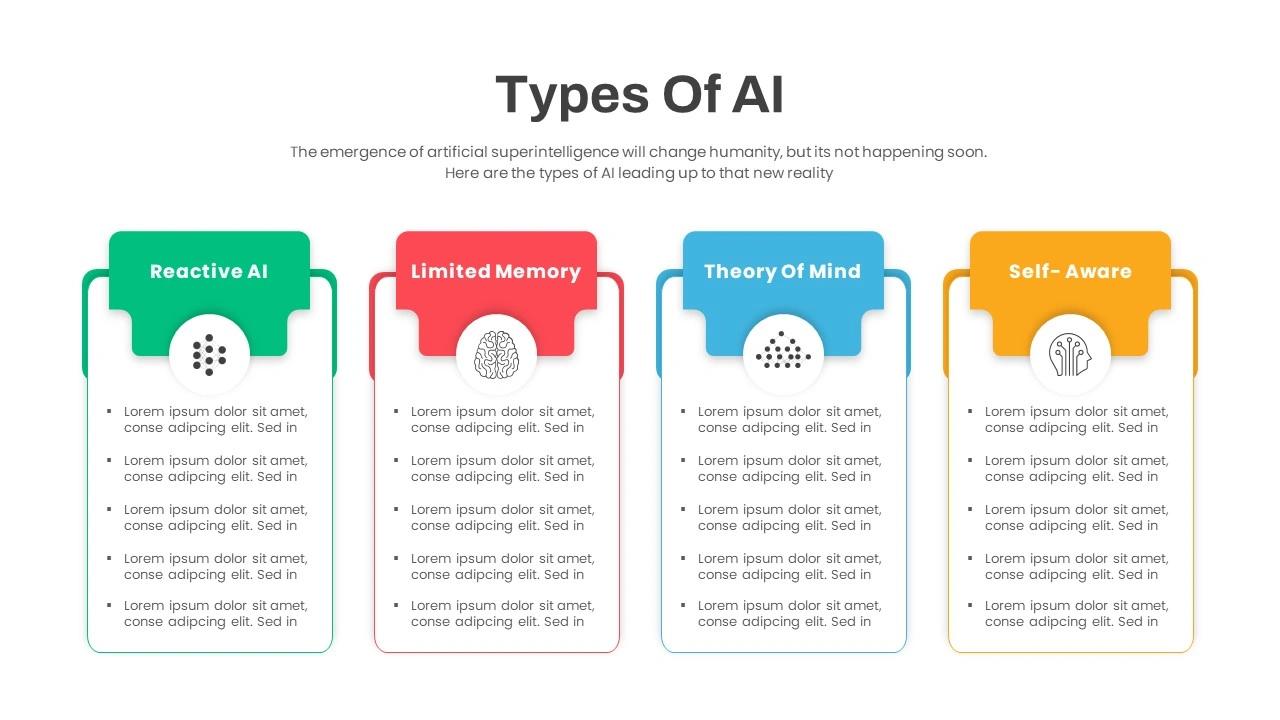
Image Source: SlideBazaar
The main differences between traditional recruiting and TESSA AI show up in how they handle core tasks and operations. Traditional recruitment depends on human judgment. TESSA AI uses automation and analytical insights to make the hiring process smoother.
Manual screening vs automated parsing
Traditional resume screening takes up a lot of time. Recruiters spend about 5-8 minutes looking at each resume for the original review. A set of 100 resumes needs 10-13 hours of work and costs between INR 29,533 to INR 38,393. Human reviewers also tend to be inconsistent, with only 60-70% agreement between different reviewers.
TESSA AI's automated parsing system handles those same 100 resumes in just 15-20 minutes. The system picks out important skills and matches them with job needs. It keeps evaluations consistent 85-95% of the time. TESSA AI goes beyond simple keyword matching. Its advanced Retrieval-Augmented Generation technology looks at education, work history gaps, and skill levels. This gives a full picture of each candidate.
Interview scheduling: human coordination vs AI chatbots
Traditional interview scheduling creates major bottlenecks. Human coordinators spend about 20 hours each week dealing with back-and-forth messages, time zones, and calendar conflicts. This manual work makes hiring take longer and leaves candidates waiting.
TESSA AI's chatbot scheduling system automates everything. The AI assistants work round the clock and talk to candidates in live time. They schedule interviews without human help. This automation cuts down office work by 80% and helps reduce hiring time by 70%. The system also sends reminders that help more candidates show up on time.
Assessment methods: subjective interviews vs skill-based AI tests
Traditional interviews often miss the mark. Research suggests that unstructured interviews predict job success about as well as flipping a coin. Human interviewers bring their own biases like confirmation bias and halo effect. These biases lead to missed opportunities and poor choices.
TESSA AI takes a different path through varied skill testing. The system moves away from gut feelings and uses:
- Coding challenges and technical assessments
- Multiple-choice questions to check knowledge
- Psychometric evaluations for soft skills
- Case studies for applied problem-solving
This focus on skills gives objective, data-backed evaluations that better predict job performance. TESSA AI gives instant feedback on candidates. Teams can make faster, smarter choices based on proven abilities instead of resume keywords or interview feelings.
The difference stands out clearly. Traditional hiring relies on manual work, personal opinions, and slow coordination. TESSA AI brings automation, fairness, and speed. It turns a process that used to take weeks into one that takes days, while finding great candidates.
Speed and Time-to-Hire: Can TESSA AI Really Cut It in Half?
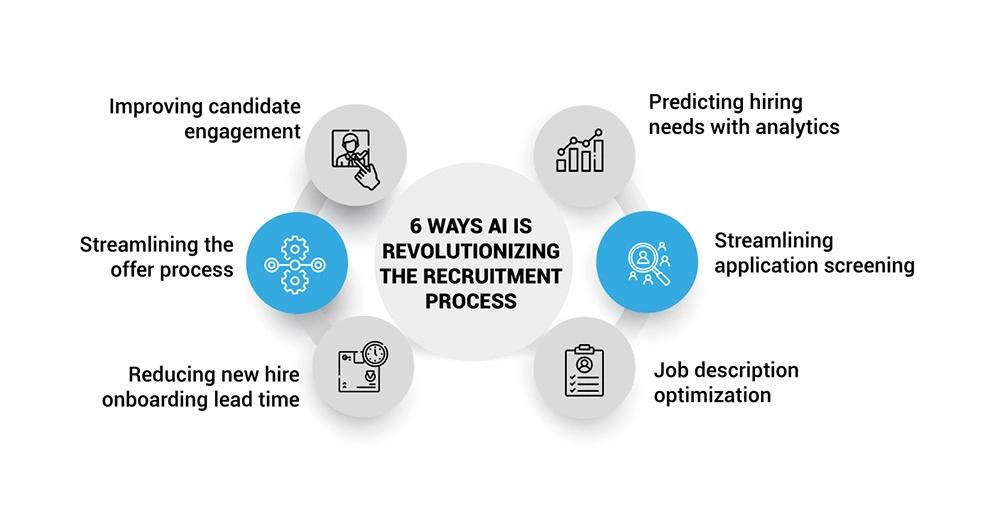
Image Source: Talent Management Institute
Money and time go hand in hand in recruitment. The difference between old-school hiring methods and TESSA AI is eye-opening when we look at the recruitment timeline. Numbers paint a clear picture of how AI recruitment technology is making hiring faster and better.
Average time-to-hire: 42 days vs 14 days
Old hiring methods take about 42 days on average, which can get pricey with vacant positions draining company resources. Top candidates don't stick around - 73% of them grab other offers within just 7 days. Each extra day adds approximately INR 8,269 to the cost per hire.
TESSA AI reshapes the scene by bringing the average time-to-hire down to 14 days. Companies using TESSA AI have seen these improvements:
- 75% less time spent on screening compared to manual methods
- Interview scheduling time cut from 4 days to under 2 days
- 30% fewer administrative tasks, letting HR teams focus on what matters
These changes bring real benefits. Companies with optimized hiring see 3.5x higher revenue growth and keep employees twice as long. Since 57% of candidates lose interest if companies take more than two weeks to respond, TESSA AI helps keep the talent pipeline flowing.
Automation in sourcing and screening
TESSA AI's impressive time savings come from smart automation throughout the recruitment process. Manual resume screening takes about 180 seconds per resume, making it tough to handle large-volume hiring without a big HR team.
TESSA AI's automated screening handles 500 resumes in about 20 minutes—roughly 2.5 seconds per resume. This cuts initial screening time by 75%. The system works better through:
- Skills-based matching with semantic analysis instead of simple keyword matching
- Analytical insights that remove unconscious bias
- Round-the-clock support for candidates worldwide in multiple languages
Companies hiring many similar roles (like frontend developers or QA testers) find TESSA AI's filtering features particularly helpful. A Berlin-based SaaS company cut their hiring time for full-stack developers from six weeks to 12 days.
Ground case: TESSA AI reducing hiring cycle by 60%
Real results show TESSA AI's true value. A tech company used TESSA AI in 15 locations and cut their position-filling time by 60%. A healthcare organization fixed their hiring bottlenecks and brought their average time-to-hire down from 42 days to 14 days.
Another success story comes from a company that added TESSA AI to their hiring process:
- Time-to-First-Interview dropped from 21 days to 5 days
- Time-to-Hire went from 45 days to 18 days (60% less)
- Response rates jumped from 8% to 22% thanks to quick, relevant outreach
These examples prove that TESSA AI delivers real results across industries. Organizations using AI-based recruitment solutions now report cutting time-to-hire by up to 97%, turning weeks of work into days or even hours.
Quality of Hire and Candidate Fit
Quality candidates matter more than speed in any recruitment system. Research shows that hiring mistakes cost companies about 30% of an employee's first-year salary. This makes quality of hire a vital metric in recruitment.
Skill-based matching vs resume-based filtering
Most companies still rely on resume-based filtering. This old method often misses people with transferable skills or unique career paths. Companies focus on keywords, job titles, and experience instead of real abilities. This creates a limited talent pool. About 83% of companies still screen resumes the old way, using keyword matching that leaves out qualified candidates.
TESSA AI takes a different path with its skills-first approach. It looks at what candidates can do rather than what their resume says. The system uses natural language processing to understand the context in applications. It spots patterns, transferable skills, and soft-skill markers that basic tools miss. This deep understanding helps TESSA AI:
- Find matches based on proven abilities instead of job titles
- Spot promising talent that keyword filters would miss
- Check how past roles relate to current job needs
This move from resume-based to skill-based hiring shows amazing results. Candidates who went through AI-led screening had a 53.12% success rate in human interviews. Traditional resume screening only achieved 28.57%.
Predictive analytics in TESSA AI
TESSA AI uses predictive analytics to forecast candidate success before they start. The system learns from past hiring data to find candidates who will excel in specific roles. This informed approach leads to better hiring decisions by using real outcomes instead of gut feelings.
Studies show AI-powered hiring tools can predict workforce trends with 90% accuracy and spot potential turnover with 87% accuracy. Wells Fargo's use of predictive analytics to screen over two million candidates led to better retention. Teller retention improved by 15% and personal banker retention by 12%.
TESSA AI's predictive features offer clear benefits:
- Spots high-potential applicants using success patterns
- Cuts turnover through better role matching
- Gives applicable information for active talent management
- Boosts retention through exact candidate reviews
These features deliver real business results. Studies show AI recruitment technology can boost new hire performance ratings by 20-40%.
Cultural fit: human intuition vs AI pattern recognition
Cultural fit remains one of recruitment's toughest challenges. LinkedIn data reveals that 89% of hiring failures happen because of cultural mismatches, not skill gaps. People have always relied on gut feelings during interviews to assess cultural fit. While valuable, this method often suffers from bias and inconsistency.
TESSA AI tackles cultural fit through pattern recognition. It analyzes how people communicate, solve problems, and behave. Unlike humans who might favor similar candidates, AI systems use the same evaluation criteria for everyone.
AI still has limits in understanding human nuances. Recent studies point out that "language, fun, and the way people interact with each other are often hard for algorithms to understand". Human recruiters excel at reading body language and building connections - skills that some roles need.
A hybrid approach works best. TESSA AI handles initial cultural screening and data analysis, while humans make final decisions. This balanced method uses AI's consistency and human emotional intelligence, especially for jobs that need strong people skills.
Companies that combine TESSA AI's objective approach with targeted human oversight achieve both speed and accuracy in cultural fit assessment. This leads to stronger teams and lower turnover costs.
Cost Efficiency: Upfront Investment vs Long-Term Savings
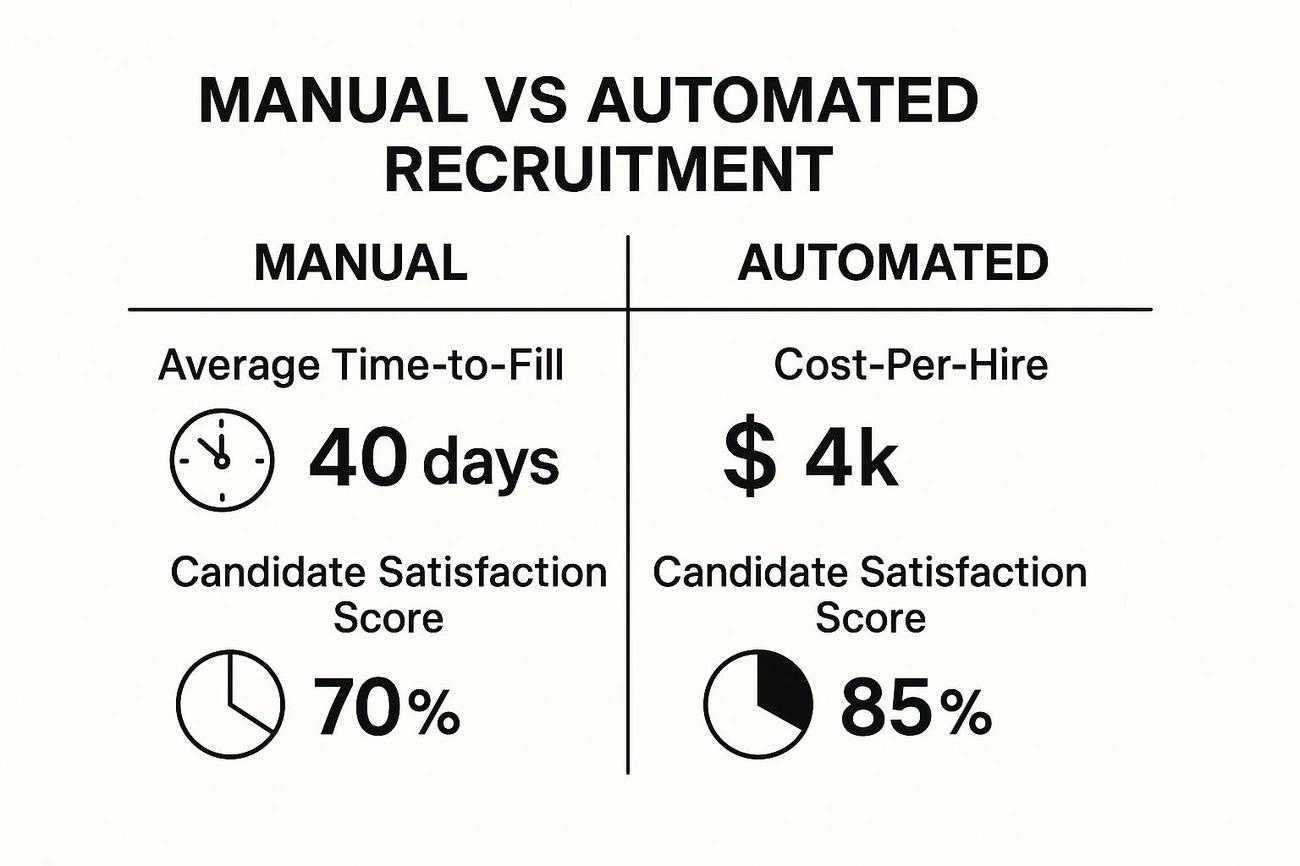
Image Source: Juicebox
Organizations make their biggest investments in talent recruitment. Many companies don't realize how much their hiring processes actually cost them. The hidden costs of old-school recruitment go way beyond visible expenses. AI-powered alternatives offer a great way to get substantial savings.
Traditional hiring costs: agency fees, recruiter hours
The average cost per hire has jumped 14% from INR 348,406 in 2019 to INR 396,588 in 2023. This figure barely tells the whole story. The total cost to hire can reach three to four times the position's salary. Companies might spend up to INR 15,188,481 to fill a position paying INR 5,062,827.
Hard and soft costs make up this eye-opening figure. Hard costs take up 30-40% of total expenses, including agency fees that range from 15-25% of annual salary. A position paying INR 6,750,436 means agency fees between INR 1,350,087 and INR 2,025,130. The remaining 60-70% comes from soft costs - mostly management time spent on interviews and paperwork.
TESSA AI pricing model and ROI
TESSA AI uses a subscription-based pricing model that keeps monthly expenses predictable. The service comes in three tiers:
- Basic: INR 843/month for single users and small sites
- Pro: INR 2,109/month for mid-sized organizations
- Enterprise: INR 4,219/month for larger implementations
Companies usually see positive ROI within 3-6 months of using AI recruitment tools. This quick return makes the upfront investment more attractive than sticking with conventional methods.
Cost-per-hire comparison: $15,000 vs $5,000
AI recruitment tools help organizations cut their cost-per-hire by about 30%. Regular recruitment costs INR 396,588 per hire, while AI-assisted recruitment brings this down to INR 168,760.
The numbers look even better as companies using AI-powered hiring solutions have seen reductions of up to 50% in recruitment costs. One tech company brought their cost-per-hire down from INR 759,424 to INR 396,588 after implementing AI recruitment.
These savings come from:
- Less reliance on external recruiting agencies
- Lower internal labor costs through automation
- Fewer hiring mistakes that usually cost 30% of an employee's first-year salary
- Shorter time-to-hire that reduces productivity losses from vacancies
Organizations making 200 hires yearly can save about INR 10,125,654 annually with a 30% reduction in cost-per-hire. This pays for the AI system several times over.
Bias and Fairness in Hiring Decisions
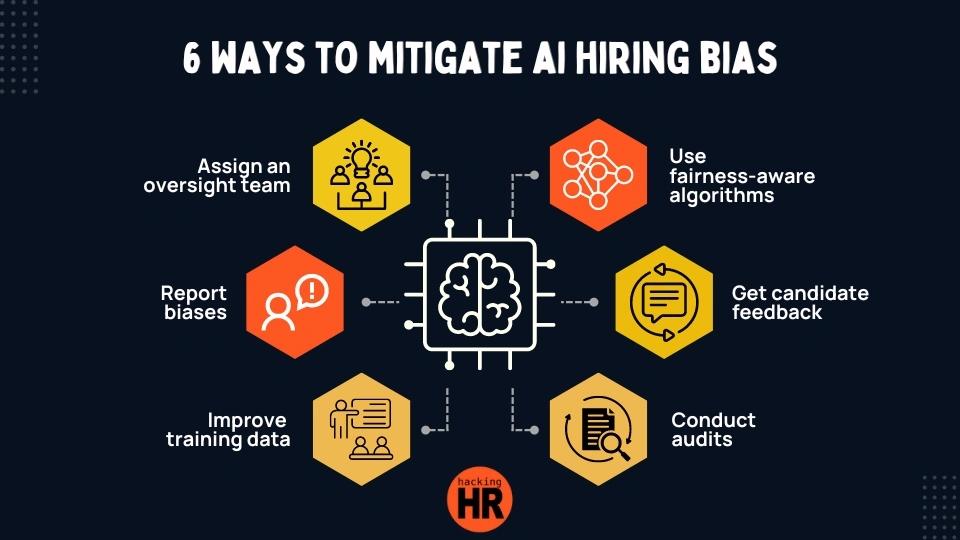
Image Source: Hacking HR
Fairness in hiring practices remains one of the biggest challenges in modern recruitment. Traditional processes don't deal very well with bias, even with the best intentions. Companies that embrace diversity are 36% more likely to achieve financial success, but unconscious bias still holds them back from reaching their full potential.
Unconscious bias in traditional interviews
Recruiters often bring unconscious bias into their hiring decisions, even after extensive training. Studies reveal that bias affects up to 35% of manual hiring decisions. This bias shows up in several ways:
Confirmation bias happens when recruiters look for information that matches what they already believe about candidates. People also tend to favor applicants who remind them of themselves - this is called affinity bias. These biases create teams that lack fresh viewpoints.
Research proves that candidates with names seen as "ethnic" get fewer interviews, no matter their qualifications. This problem exists because traditional interviews depend too much on gut feelings. Some studies suggest that unstructured interviews predict job success about as well as flipping a coin.
How TESSA AI anonymizes candidate data
TESSA AI tackles bias by systematically anonymizing candidate information. The system strips away personal details like names, gender markers, photos, and locations before the evaluation starts. This blind screening approach works wonders - big companies like HSBC and Deloitte have seen dramatic drops in hiring bias using similar methods.
The system keeps skills and experience visible while hiding demographic information. This means evaluations focus only on what matters - qualifications and abilities. Unilever tried a similar AI approach and saw their workforce diversity jump by 16%.
Audit trails and compliance with AI hiring laws
AI recruitment technology keeps advancing, and regulations are catching up fast. NYC's Local Law 144 now requires yearly bias audits for AI hiring tools. California's SB 1001 requires companies to tell candidates when AI affects hiring decisions.
TESSA AI stays compliant by keeping detailed audit trails that track:
- Candidate evaluation criteria and standards
- Human review decisions and reasons for changes
- Detailed records of how AI makes decisions
This openness helps organizations prove they follow regulations while making their hiring fairer. TESSA AI supports each client's governance program by bringing together legal, HR and IT teams. This ensures they meet all requirements for anti-discrimination, privacy, and consumer reporting laws while reducing bias.
Scalability and Use Cases: When Each Method Works Best
The best recruitment approach depends on your hiring context and what your organization needs. Different methods work better in specific situations based on hiring volume, job complexity, and business demands.
High-volume tech hiring with TESSA AI
TESSA AI runs on mass candidate processing capabilities. Over 90% of employers use automated filtering systems, and application numbers are staggering—Goldman Sachs received 315,126 applications for its 2024 internship program alone. AI solutions have become vital for modern recruitment. TESSA AI shows its strength in tech recruitment by screening thousands of applications at once without extra staff. Organizations can hire quickly at scale because it works round the clock, making it perfect for customer service, technical roles, and warehouse positions.
Executive and culture-critical roles with traditional methods
Traditional recruitment still leads the way for executive searches and culture-critical positions. C-level roles (CEO, CFO, CTO) need that human element. These positions require subtle evaluation of leadership style and strategic thinking that AI can't fully grasp. Confidential searches and roles where cultural fit matters most need human intuition from deep interactions. Skilled recruiters shine when they tap into passive talent pools and build strong relationships.
Hybrid model: AI for screening, humans for final interviews
The quickest way to recruit combines both methods. A well-laid-out hybrid model lets AI handle 80% of the first interactions while people focus on the vital 20%. This partnership reshapes the scene of interviewing economics. The results speak for themselves—success rates for technology roles jumped from 28% with traditional methods to 51% with the hybrid approach. AI takes care of initial filtering while recruiters evaluate cultural fit and soft skills.
| Aspect | TESSA AI | Traditional Hiring |
|---|---|---|
| Time-to-Hire | 14 days average | 42 days average |
| Cost per Hire | ~INR 168,760 | ~INR 396,588 |
| Resume Processing Speed | 500 resumes in 20 minutes (2.5 sec/resume) | 5–8 minutes per resume |
| Evaluation Consistency | 85–95% consistency | 60–70% inter-rater reliability |
| Administrative Work | Reduces admin work by 80% | ~20 hours weekly per recruiter |
| Pricing Model |
Subscription-based: - Simple: INR 843/month - Pro: INR 2,109/month - Enterprise: INR 4,219/month |
Agency fees: 15–25% of annual salary |
| Screening Method | Automated parsing with skills-based matching | Manual resume review with keyword matching |
| Interview Scheduling | 24/7 automated chatbot system | Manual coordination |
| Assessment Approach |
Multi-skill testing: - Coding challenges - Technical assessments - Psychometric evaluations - Case studies |
Subjective interviews |
| Bias Management | Automated anonymization of candidate data | Subject to unconscious bias (35% of decisions affected) |
| Best Use Cases |
- High-volume hiring - Technical roles - Customer service positions - Warehouse roles |
- Executive searches - C-level positions - Culture-critical roles - Confidential searches |
| ROI Timeline | 3–6 months to positive ROI | Not mentioned |
Conclusion
TESSA AI beats traditional hiring methods hands down. The numbers tell the story clearly. It cuts hiring time from 42 days to 14 days and slashes costs by 60% - from INR 396,588 to INR 168,760. These improvements come from AI-powered resume scanning, smart candidate matching, and better scheduling.
Traditional hiring still works well in some cases. Human recruiters shine when it comes to executive searches, C-suite roles, and positions where culture fit matters most. Their ability to pick up on subtle social cues and build relationships with candidates makes them valuable. These skills are crucial for leadership positions, and AI hasn't caught up yet.
The best answer lies somewhere in between. Many companies now use both approaches together. TESSA AI handles the heavy lifting by processing 500 resumes in 20 minutes - a task that would take humans over 40 hours. Human recruiters then step in for final interviews and culture assessments. This tag-team approach creates the perfect balance of speed and human judgment.
Companies should think about their unique needs when picking between these options. TESSA AI works great for high-volume technical hiring, while traditional methods might be worth the extra cost for sensitive executive searches. The system's pricing options are available to companies of all sizes, and they usually see returns within 3-6 months.
AI has changed the hiring game forever. Smart companies don't ask if they should use AI recruitment tools - they ask how to blend them with human expertise. TESSA AI offers a compelling choice that saves time and money without sacrificing quality. Organizations that combine both methods build stronger teams faster than those stuck using just one approach.
Start Skills-First Hiring
Book a quick demo or reach out to our team — we’ll guide you.
Key Takeaways
TESSA AI dramatically outperforms traditional hiring methods, delivering measurable improvements in speed, cost, and quality while maintaining fairness in recruitment decisions.
- TESSA AI cuts hiring time by 67% - reducing average time-to-hire from 42 days to just 14 days through automated screening and 24/7 scheduling capabilities.
- Cost savings reach 60% per hire - organizations reduce cost-per-hire from INR 396,588 to INR 168,760 with positive ROI achieved within 3-6 months.
- Processing speed increases 180x - TESSA AI screens 500 resumes in 20 minutes (2.5 seconds each) versus 5-8 minutes per resume manually.
- Quality improves through skills-based matching - AI-screened candidates show 53% interview success rates compared to 29% from traditional resume screening.
- Hybrid approach maximizes results - combining AI for initial screening with human judgment for final interviews delivers optimal outcomes across all hiring scenarios.
The evidence is compelling: while traditional methods remain valuable for executive searches and culture-critical roles, TESSA AI transforms high-volume recruitment by eliminating bottlenecks, reducing bias, and delivering superior candidate quality at a fraction of the cost and time investment.