

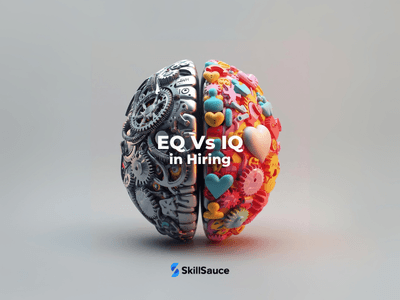
Introduction: The Shift from IQ to EQ in Modern Hiring
For decades, hiring decisions were driven by IQ (Intelligence Quotient) — logical reasoning, technical aptitude, and analytical skills. But in today’s collaborative, fast-changing work environment, EQ (Emotional Intelligence) is proving just as important — if not more.
Modern workplaces thrive on teamwork, adaptability, and leadership. Research shows that while IQ accounts for up to 25% of job success, EQ contributes far more to leadership effectiveness, employee engagement, and long-term retention.
So, when it comes to EQ vs IQ in hiring, which metric matters more — and how should recruiters adapt?
What is IQ vs EQ in the Workplace?
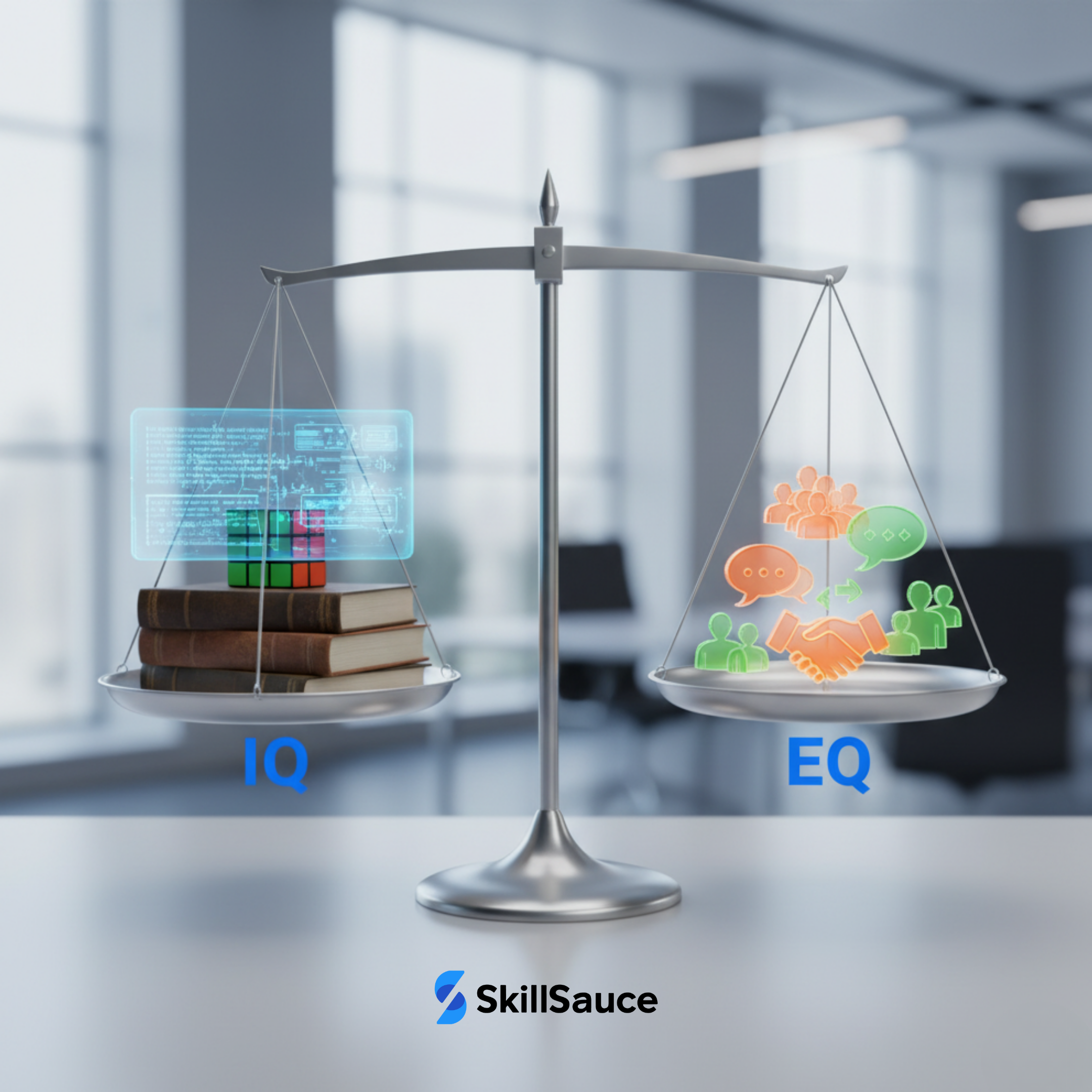
- IQ (Intelligence Quotient): Measures cognitive skills like reasoning, problem-solving, and abstract thinking. Still essential for technical tasks, coding, and data-driven roles.
- EQ (Emotional Intelligence): The ability to recognize, regulate, and express emotions while understanding others’. EQ drives communication, adaptability, teamwork, stress management, and leadership.
In other words: IQ gets you hired, but EQ helps you thrive.
Predicting Performance, Leadership, and Retention
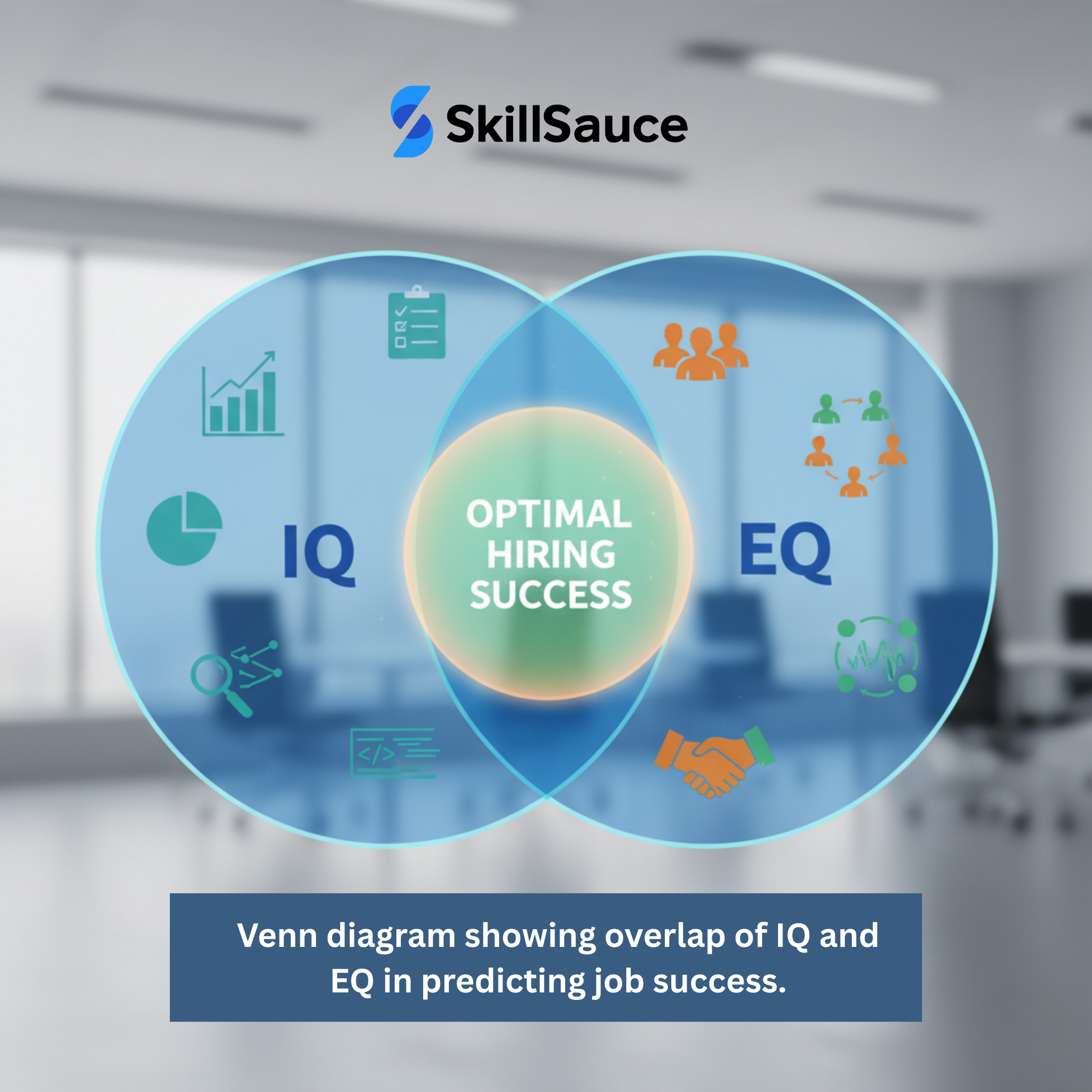
- IQ remains a strong predictor of task proficiency; however, EQ is a better predictor of leadership success and retention.
- A 2025 survey revealed that 90% of top performers scored high on EQ, compared to only 20% with high IQ.
- Leaders with high EQ perform 35% better in effectiveness.
- Teams led by high-EQ leaders show 61% more creativity, 76% higher engagement, and reduced turnover rates.
- Companies prioritizing EQ in hiring report 63% reductions in turnover and are 22 times more likely to outperform peers.
How Companies Measure EQ in Hiring
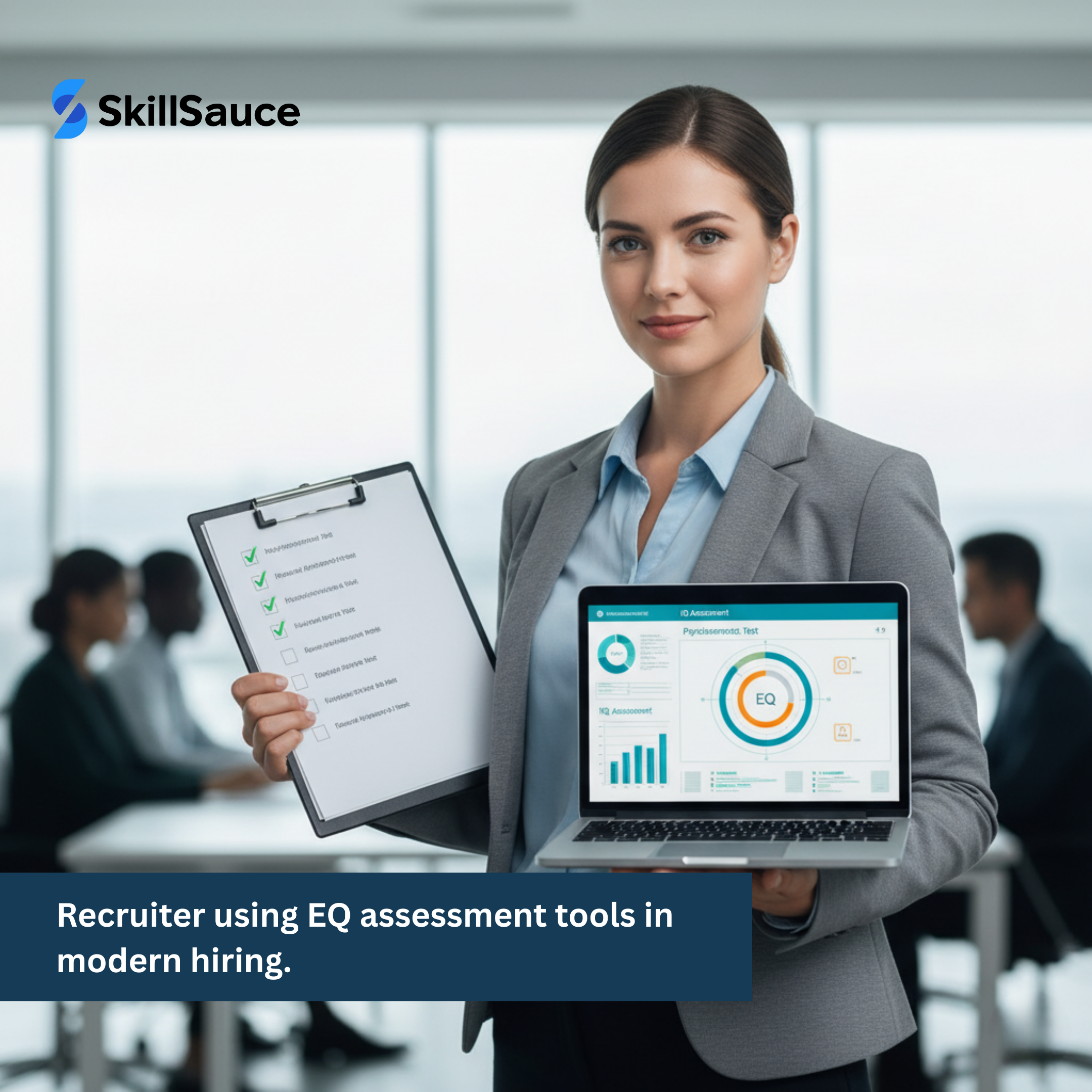
Traditional hiring tools, such as IQ tests or coding challenges, aren’t enough. Modern HR leaders integrate EQ measurement into their processes through:
- Behavioral Interviews → Evaluate conflict resolution, teamwork, and adaptability.
- Psychometric Tests → Tools like EQ-i 2.0, MSCEIT, and DISC assess empathy, self-awareness, and adaptability.
- Role-Play & Scenario Assessments → Simulate workplace challenges to gauge responses.
- 360-Degree Feedback → Collect insights from peers, managers, and reports.
EQ’s Role in Soft Skills Evaluation
EQ underpins the soft skills every organization needs:
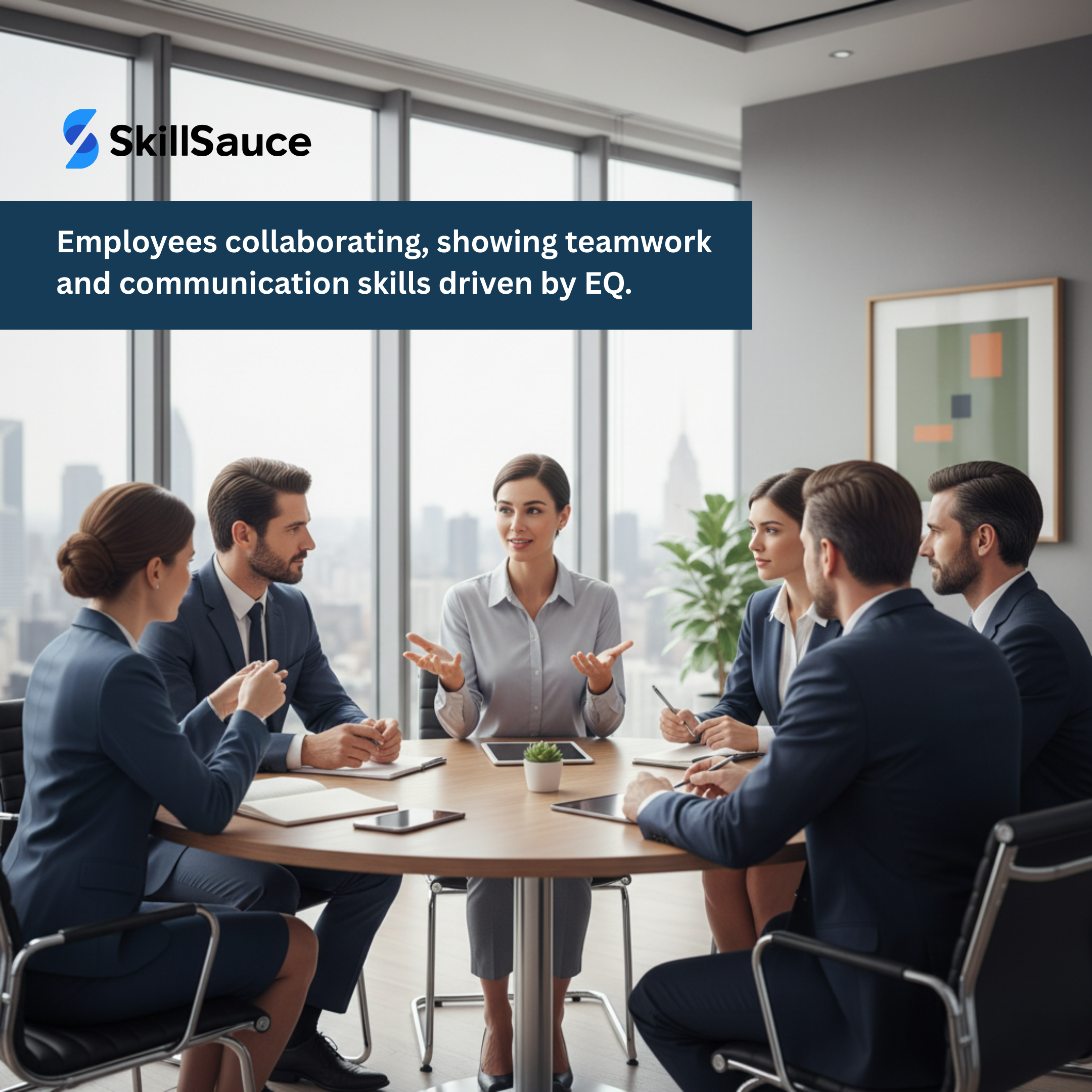
- Communication: Explaining complex ideas clearly, avoiding misunderstandings.
- Leadership: Inspiring teams and managing conflict.
- Adaptability: Thriving in hybrid/remote workplaces.
- Teamwork: Driving collaboration and innovation.
- Emotional Intelligence: Managing emotions for stronger relationships.
Companies focusing on soft technical skills report 25% higher retention and better team productivity.
Case Studies: EQ in Action
- O.C. Tanner (2025): EQ assessments improved team cohesion and boosted engagement scores.
- Tech Consulting Firms (2025): EQ-focused hiring cut early turnover by 63% in hybrid teams.
- Fortune 500 Example: 75% now run EQ training for senior leaders to build resilient teams.
Industry Data: EQ vs IQ in Hiring (2023–2025)
- EQ drives 58% of job performance (TalentSmart).
- High EQ = $29,000 more annual earnings on average.
- 75% of HR leaders value EQ over IQ for promotions.
- 42% of companies now use EQ as a hiring metric.
- Engagement +76% in teams led by high-EQ managers.
The Future: Balancing EQ vs IQ in Talent Acquisition
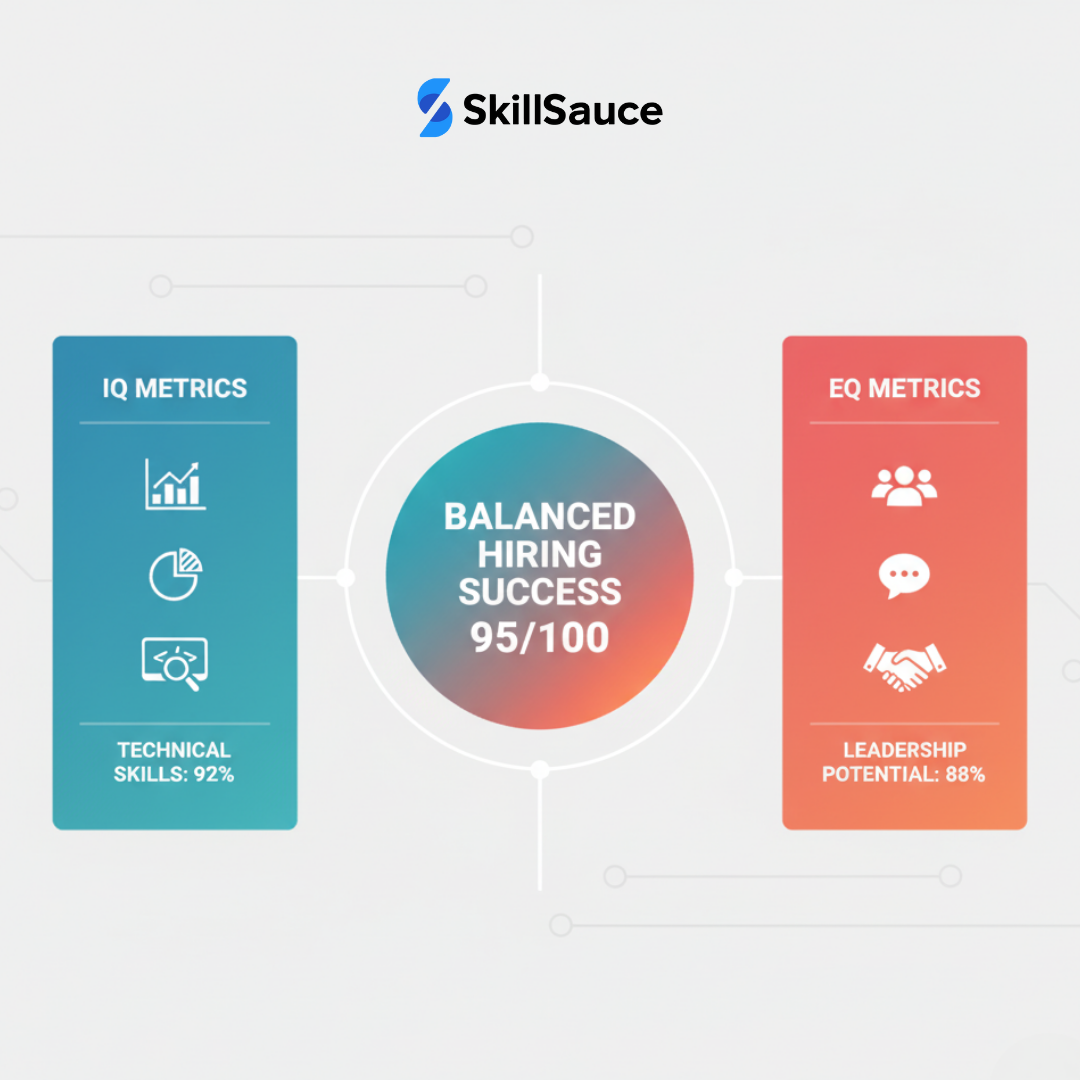
The best hiring strategies won’t pit EQ vs IQ against each other — they’ll balance both.
- IQ sets a baseline for technical ability.
- EQ ensures leadership, adaptability, and retention.
- By 2030, demand for EQ is projected to grow sixfold as automation takes over hard technical tasks.
- Expect AI-driven recruitment platforms (like SkillSauce) to combine IQ and EQ insights for better hiring outcomes.
Conclusion: Why EQ vs IQ Matters in Modern Hiring
IQ may get candidates through the door, but EQ determines who stays, leads, and thrives. Organizations that invest in measuring and training emotional intelligence will see better retention, stronger leadership, and higher productivity.
In the age of hybrid work, automation, and global teams, balancing EQ vs IQ is the smartest hiring strategy for future-ready workplaces.