


C++ ranks as the second most popular programming language worldwide, according to the TIOBE Index as of June 2025.
Tech leaders just need skilled C++ developers to lead game development teams, manage financial systems, or build embedded applications. C++ usage has grown substantially, and now makes up 20% to 25% of projects in these performance-critical spaces.
Here's the biggest problem: With nearly 10,000 C++ candidates assessed at all skill levels, finding developers who combine technical expertise with problem-solving abilities can be overwhelming. This piece helps tech leaders identify, assess, and hire top C++ talent.
We'll take a closer look at everything in C++ developer skills and assessment strategies used by top companies like Google that hire C++ developers. You'll learn a proven process to build your technical team. Let's explore why these specialized developers remain in high demand and how you can bring the best ones to your organization.
Why C++ Developers Are Still in High Demand
C++ stands strong as one of the most important programming languages in critical sectors, even as new languages emerge yearly. The language shines because it performs better than others and works efficiently when resources are limited.
Performance-critical systems and real-time applications
Code written in C++ runs fast, scales well, and stays reliable under pressure. This matters when decisions need to happen in milliseconds and what it all means could be huge. Financial firms choose C++ to build their high-frequency trading systems where every microsecond counts. The language also powers gaming engines that need optimal resource management and multiplayer networking capabilities.
The core of many critical operating systems runs on C++, including Apple's OS X and several versions of Microsoft Windows. No other language matches its speed and efficiency when applications need direct hardware access.
Legacy code maintenance in large enterprises
Systems in various industries still run on C++ code that's decades old. These systems need skilled developers to maintain and upgrade them. Banks and financial institutions especially depend on C++ systems that are reliable and fast.
C++ in embedded systems and IoT
C++ works great in places where resources are tight, like microcontrollers and embedded devices, thanks to its speed and lightweight design. You'll find C++ in automotive systems, medical equipment like MRI machines, and IoT devices.
The language helps IoT devices use less power while handling real-time data processing. Connected devices benefit from its secure communication protocols. C++ gives you:
- Complete control over memory and system resources
- Better battery life for IoT applications
- Simple integration with mobile and cloud platforms
Top companies that hire C++ developers
These tech giants offer competitive salaries to C++ developers:
- Microsoft - Windows systems and cloud infrastructure
- Google - Chrome, Android, and systems programming
- NVIDIA - Graphics drivers and GPU computing
- Intel - Semiconductor design and embedded systems
- Qualcomm - Mobile processors and wireless technologies
C++ developers enjoy job security because the language stays relevant in every industry. The language remains essential to build reliable, high-performance systems—especially in finance, aerospace, automotive, and gaming sectors.
Key Skills to Look for in a C++ Developer
Look beyond simple coding proficiency when you hire C++ developers. Top C++ talent brings a mix of technical depth and versatile soft skills that are a great way to get more value for your team.
Core C++ concepts: memory, pointers, STL
Strong C++ developers show mastery of manual memory management. They know how to allocate and deallocate memory using pointers. This skill is significant because proper memory management prevents leaks and will give a smooth-running application.
Developers should really understand pointers since they allow direct manipulation of memory addresses. Proficiency with the Standard Template Library (STL) matters too. The STL provides:
- Containers that store and manipulate data efficiently
- Algorithms for common operations
- Iterators to navigate through data structures
Experts also implement RAII (Resource Acquisition Is Initialization) to tie resource management to an object's lifecycle.
Modern C++ standards: C++11 to C++23
Good developers keep up with evolving C++ standards. C++23 (ISO/IEC 14882:2024) was completed in February 2023. This latest standard adds valuable features like multidimensional subscript operators, explicit object parameters, and extended floating-point types.
Knowledge of modern standards from C++11 through C++20 is vital. These standards brought game-changing capabilities like smart pointers, move semantics, and lambdas.
Debugging and performance optimization tools
Smart developers use debugging tools to spot and fix issues quickly. Tools like GDB for step-by-step debugging and Valgrind for memory leak detection are must-haves in a developer's toolkit.
Performance optimization expertise matters just as much. Developers need to understand CPU caches, profiling tools, and code optimization techniques. Top developers can find bottlenecks and make targeted improvements for better execution speed.
Domain-specific knowledge: gaming, finance, embedded
Your industry needs might require specific expertise. Embedded systems developers need skills with resource-constrained environments and hardware interactions. Financial developers should know high-frequency trading platforms. Game development calls for expertise in graphics rendering and physics simulations.
Soft skills: communication, problem-solving, attention to detail
Technical skills are key, but exceptional developers also need strong soft skills. They should be able to break down complex problems, explain technical concepts clearly, and work well in teams.
How to Assess and Interview C++ Candidates
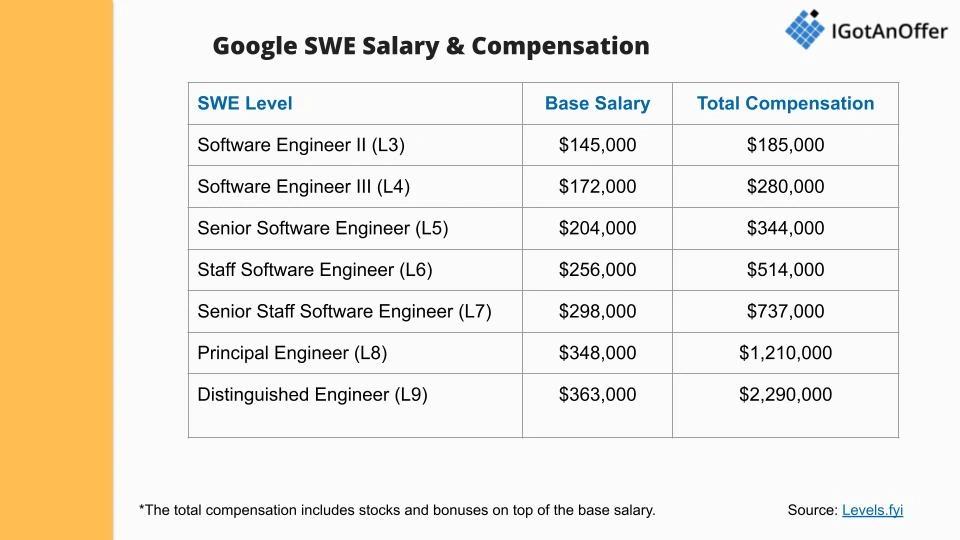
Image Source: IGotAnOffer
A good C++ candidate assessment needs both technical expertise and problem-solving skills evaluation.
Use coding tests to review ground C++ skills
Start your assessment with practical coding assessments that target job-specific requirements instead of pure theory. Design tests that measure memory management, algorithm implementation, and debugging capabilities. To name just one example, see problems like calculating character speed in gaming applications or implementing binary search trees that show candidates' practical skills.
Check GitHub or open-source contributions
A developer's GitHub profile shows their coding practices and team skills. All the same, note that an empty GitHub profile doesn't mean the candidate lacks competence. Quality matters more than quantity - clean documentation and meaningful commit messages show attention to detail.
Ask scenario-based technical questions
Technical questions should focus on ground applications rather than pure theory. Questions about object-oriented programming, pointers versus references, and virtual functions reveal candidates' deep understanding.
Review understanding of design patterns and architecture
Knowledge of creational, structural, and behavioral design patterns shows how candidates approach system architecture. This review reveals their skill at developing expandable, maintainable code.
Red flags to watch out for during interviews
Watch for warning signs like candidates who can't explain implementation details, resist feedback, or misunderstand core concepts. Interviewers who seem disinterested or unclear about the role might point to systemic problems.
Let SkillSauce Find Your Perfect C++ Developer
Skip the screening hassle — get pre-vetted C++ developers who fit your technical needs and team culture perfectly.
Structuring a Successful Hiring Process
A systematic hiring approach makes finding exceptional C++ talent smoother and faster. Companies adopting a structured hiring method have cut their onboarding time from six weeks to just ten days.
Define the role and required domain expertise
Your C++ developer position needs clear responsibility outlines. Junior roles typically involve writing simple code under supervision, while senior positions demand architecture decisions and mentoring. Specialized industries might need candidates with experience in RDBMS databases, Unix environments, or integrated development environments.
Screen with technical and soft skill assessments
Pre-employment evaluations help you assess technical proficiency and soft skills objectively. This informed approach filters unsuitable applicants early and saves interview time by 80%. C++ coding assessments should mirror actual development work.
Conduct structured technical interviews
Skills-based interviews help you assess problem-solving abilities through ground scenarios. Teams using this approach report a 91% improvement in retention for technical roles. Candidate reports should include competency ratings and highlight areas to explore in final interview rounds.
Use trial projects or paid tasks for senior roles
Well-defined coding tasks demonstrate practical abilities effectively. Candidates feel accomplished while you see their actual coding practices. Senior developer positions benefit from paid projects that show their system design capabilities.
Plan onboarding with mentorship and codebase walkthroughs
A dedicated mentor should guide and answer questions from day one. The team's codebase walkthroughs explain architecture decisions and coding standards clearly. Senior developers' pair programming sessions speed up learning significantly.
Let SkillSauce Find Your Perfect C++ Developer
Skip the screening hassle — get pre-vetted C++ developers who fit your technical needs and team culture perfectly.
Conclusion
Finding exceptional C++ developers needs a strategic approach that balances technical expertise with cultural fit. C++ continues to dominate performance-critical sectors despite newer languages emerging in the market. Skilled C++ developers are great assets for any technical team because of the language's unmatched efficiency and versatility.
Your search should go beyond simple coding proficiency. The best candidates demonstrate mastery of core concepts like memory management, pointers, and modern C++ standards. Domain expertise relevant to your industry substantially affects a developer's ability to make meaningful contributions from day one.
A well-laid-out hiring process brings better results. You can get a deeper understanding through practical coding assessments, GitHub portfolio reviews, and scenario-based questions than theoretical knowledge checks alone. Interview red flags can help you avoid hiring mistakes that might get pricey and delay projects by months.
Competition for top C++ talent stays fierce, particularly as gaming, finance, and embedded systems industries expand their technical needs. Companies must offer compelling opportunities beyond compensation that include mentorship, challenging projects, and clear growth paths.
Top C++ developers blend technical brilliance with essential soft skills. Strong problem-solving abilities, attention to detail, and effective communication are the foundations of any high-performing developer.
A thoughtful onboarding process completes the hiring experience. New developers can contribute meaningfully within days instead of weeks through codebase walkthroughs and mentorship programs.
C++ development expertise remains crucial for performance-intensive applications in a variety of industries. This detailed guide gives you the tools to identify, assess, and hire exceptional C++ talent that will push your technical projects forward.
Key Takeaways
Here are the essential insights for tech leaders looking to hire exceptional C++ developers:
• C++ remains critical for performance-intensive applications - From high-frequency trading to gaming engines, C++ powers systems where milliseconds matter and efficiency is paramount.
• Look beyond basic coding skills - Top candidates master memory management, modern C++ standards (C++11-C++23), and possess domain-specific knowledge in gaming, finance, or embedded systems.
• Use practical assessments over theoretical tests - Evaluate real-world coding abilities through GitHub portfolios, scenario-based questions, and hands-on coding challenges that mirror actual job requirements.
• Structure your hiring process systematically - Define role requirements clearly, screen with technical assessments, conduct structured interviews, and use trial projects for senior positions.
• Prioritize soft skills alongside technical expertise - Communication, problem-solving abilities, and attention to detail are crucial for team collaboration and long-term success.
• Invest in structured onboarding - Assign mentors, provide codebase walkthroughs, and implement pair programming to reduce ramp-up time from weeks to days.
The competition for skilled C++ developers is fierce, but following this systematic approach will help you identify and secure top talent who can drive your performance-critical projects forward while fitting seamlessly into your team culture.