


Google's ad system displayed higher-paying job ads to men more often than women, even though these jobs were open to everyone.
AI tools make recruiting and hiring easier with better placement and objectivity. But there's a catch. Biased algorithms can exclude certain groups without proper monitoring and create unfair hiring outcomes. Research proves that AI systems discriminate against women and minorities.
Organizations using AI in their hiring process need these audits. They check if AI systems have everything in place - from functionality and transparency to ethical behavior and compliance. Regular bias audits help companies follow new regulations and keep their AI initiatives' data secure.
The risks run deep. Unchecked algorithms that accidentally discriminate can damage a company's reputation beyond just compliance problems. The digital world changes faster now, and frameworks like the EU AI Act want to protect consumers from unfair AI practices.
In this piece, we'll show you how to conduct AI audits step by step so your hiring stays fair and compliant.
What Are AI Audits and Why They Matter
AI audits are systematic checks of artificial intelligence systems that ensure fair, ethical operation and regulatory compliance. These audits now serve as vital safeguards against algorithmic discrimination as more companies use AI-powered hiring tools.
Understanding AI bias in hiring
AI bias happens when algorithms create unfair results because of problems in their training. The hiring process shows this bias in several ways:
- Historical bias: AI systems learn from past hiring data that contains existing prejudices and keep repeating these patterns. To name just one example, Amazon's AI recruitment tool preferred male candidates because its training data came from a company with mostly male technical staff.
- Sample bias: AI systems don't assess candidates from underrepresented groups well when training data lacks diversity.
- Measurement bias: The algorithms give too much weight to certain metrics that put specific groups at a disadvantage.
Research shows AI systems can display serious racial and gender biases, yet 99% of Fortune 500 companies use automation in their hiring processes. A University of Washington study revealed that leading language models chose white-associated names 85% of the time and female-associated names only 11% of the time.
How audits improve fairness and trust
Companies can spot and fix these biases through regular AI audits that ensure ethical standards. HireVue has run hundreds of bias audits to boost their systems and meet regulations.
These audits help create more accurate and reliable results. Organizations can build public trust in AI technologies by finding and fixing biases. The systems work better overall when these problems get fixed, which leads to improved decision-making and effectiveness.
Legal and ethical reasons to audit AI
The rules around AI in hiring are changing faster than ever. Annual AI bias audits are now required in New York City to prevent discrimination. California's regulations stress the importance of bias audits to avoid unlawful discrimination.
Companies without audit evidence might face problems in discrimination cases. On top of that, employers could face lawsuits under the Americans with Disabilities Act and Title VII of the Civil Rights Act if their AI systems create biased outcomes.
Ethical AI use shows a steadfast dedication to fairness and inclusivity. This approach protects organizations from legal issues and reputation damage in today's competitive hiring world.
Step-by-Step Process to Run an AI Bias Audit
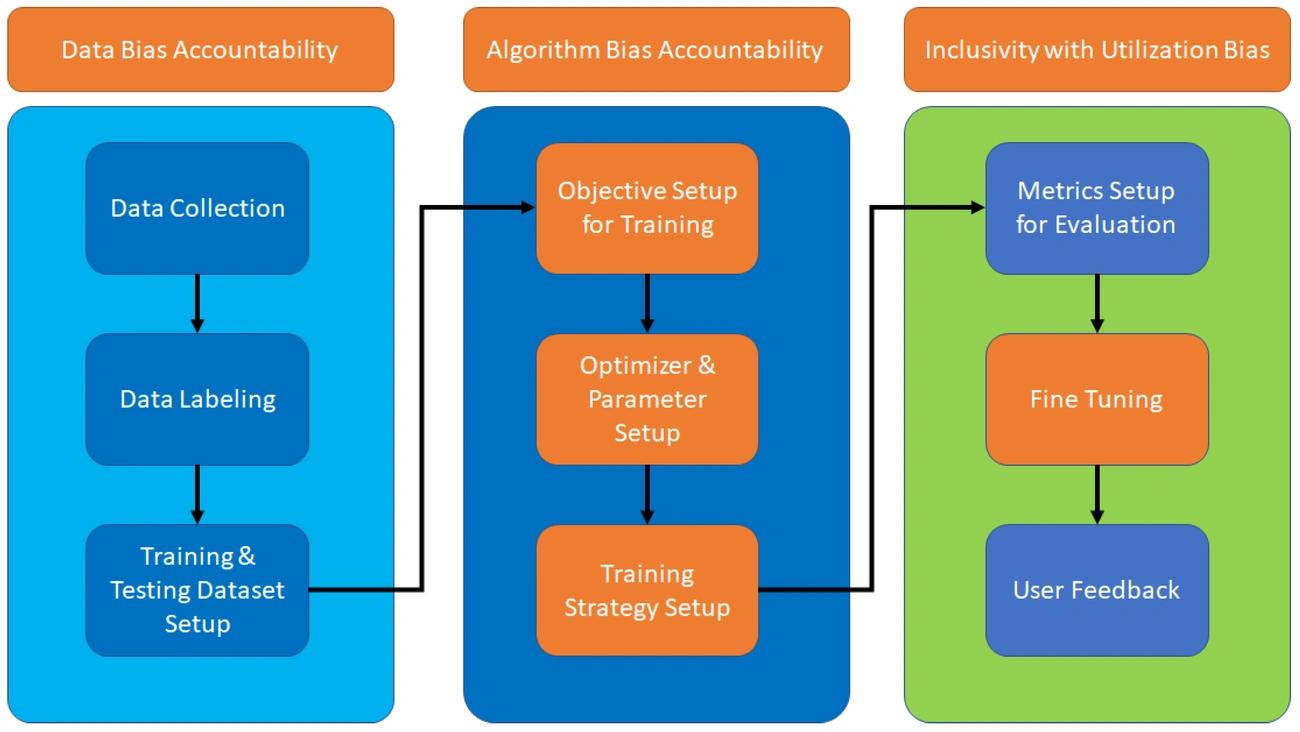
A well-laid-out approach and clear method will help you start a good AI bias audit. Companies that run systematic audits can spot potential discrimination early. This helps them stay compliant with changing regulations and protects candidates from unfair treatment.
1. Define the audit scope and goals
Your AI audit needs clear objectives from the start. You might want to reduce bias for specific demographic groups, meet regulatory requirements, or review overall fairness. The best approach is to set concrete targets like "cut gender bias in resume screening by 50%" instead of loose goals like "check for bias". The key is to write down which recruitment steps you'll look at—from sourcing and screening to interviews and onboarding.
2. Map AI tools used in hiring
Take a good look at your entire hiring pipeline before you test any software. You need to know exactly where AI systems handle resumes, rank candidates, or manage interview schedules. This helps you see how automated decisions shape an applicant's journey and where bias might sneak in. Make a list of everything about each tool—what it does, its benefits, risks, and reach. Then review if your training data included or masked demographic details, and check if your candidate pool matches that data's diversity.
3. Identify relevant laws and standards
Research must come before testing when it comes to AI employment rules. All 50 states, Puerto Rico, the Virgin Islands, and Washington, D.C. have brought in AI-related laws. Companies must follow anti-discrimination laws like EEOC guidelines when they use AI hiring tools. The Equal Employment Opportunity Commission (EEOC) and Department of Labor (DOL) have released guidance about algorithmic bias and what employers must do. On top of that, the EU AI Regulation will require companies to remove 'unacceptable' AI systems and train their staff properly by February 2, 2025.
4. Categorize tools by risk level
The EU AI Act framework helps you group your AI systems into three levels: unacceptable, high-risk, and non-high risk. Most hiring AI tools, like CV screening systems, fall into the high-risk category. Your risk level decides what governance steps you need to take. High-risk systems need special assessment and detailed compliance records. This step shows you which tools need extra testing and monitoring. Keep records of your risk reviews, even for lower-risk systems, to show you've done your homework.
Key Strategies to Detect and Fix Bias
AI hiring tools need strategic approaches that blend technical solutions with human judgment to detect and reduce bias. These strategies protect against discrimination and keep recruitment processes running smoothly.
Review training data for diversity
AI tools need training data that gives a complete picture and represents everyone. AI systems don't assess candidates from underrepresented groups well when training datasets lack diversity. Your audit teams should check if the system anonymized demographic features during training. The data should match your actual candidate pool. A University of Washington study showed that users saw AI systems as fairer when they could verify that training data had equal representation from different racial groups.
Test algorithms for disparate impact
Regular testing helps spot if algorithms unfairly exclude protected groups. The process looks at whether selection rates vary too much between demographic groups. A counterfactual analysis can show how protected characteristics like gender or ethnicity affect outcomes. The EEOC requires employers to get a full picture of potential disparate impact on an ongoing basis.
Use explainable AI tools
Explainable AI (XAI) shows how the system makes decisions and how qualifications line up with job requirements. Candidates feel more confident about the fairness of the process. In spite of that, 57% of HR leaders say lack of transparency stops them from adopting AI in hiring. XAI spots hidden bias patterns before they affect ground candidates. It explains clearly why the system recommended certain applicants.
Apply fairness-aware models
Fairness-aware algorithms tackle bias at technical levels within language models. These specialized models use fairness constraints to adjust data weights or samples, which lowers discrimination risk. Research shows that using quotas and demographic parity can make candidate searches more efficient based on true unobserved qualities, even though people worried about quality at first.
Ensure human oversight in decisions
Human supervision matters throughout the AI hiring process. Studies show that 61% of AI recruitment tools trained on biased data copied discriminatory patterns without human oversight. People's moral compass helps ensure AI decisions match society's values. They can adapt to new situations using contextual knowledge. Good oversight needs regular audits, detailed documentation, and HR and legal teams' monitoring to stay transparent and follow employment laws.
Ensuring Compliance and Continuous Improvement
A successful AI implementation needs ongoing alertness beyond the original audit. Your organization can maintain fair AI hiring practices through proper documentation, vendor oversight, team training and regular reviews.
Maintain audit documentation
Detailed documentation of AI decision-making processes acts as a quality control tool and legal protection. Your organization should document data sources used for training, AI model parameters and steps taken to address bias. This documentation gives stakeholders clarity and supports future audits. It also serves as evidence if regulators ask about your AI practices. Transparency about development and implementation becomes vital from compliance and policy viewpoints, especially with internally developed tools.
Review vendor contracts and disclosures
The agreements need careful review when you use third-party AI solutions. Look for provisions that cover liability for bias claims, indemnification for regulatory violations and privacy standards compliance. Your risks get allocated properly when you add specific metrics and methods to address inaccuracies in vendor contracts. Of course, contractual obligations must meet requirements from emerging state and international AI regulations like the EU AI Act and Colorado AI Act.
Train teams on responsible AI use
Your employees need appropriate training before they work with AI tools. The core training components include:
- Data ethics and privacy considerations
- Bias recognition techniques, including disparate impact testing
- Proper use cases and procedures to report concerns
- Compliance with applicable laws, including notice and appeal requirements
Set up regular audit schedules
A consistent auditing schedule changes compliance from reactive to proactive - quarterly or semi-annually based on hiring volume. Your team members should have specific oversight responsibilities to ensure AI implementation meets ethical standards. Regular bias audits help verify EEOC compliance and maintain security. This makes AI oversight an ongoing activity rather than a one-time check.
Conclusion
AI audits protect your hiring processes against algorithmic discrimination. This piece shows how bias can seep into AI systems and potentially harm candidates and organizations alike. Without doubt, a lot rides on this—from legal compliance to your company's reputation and fair chances for all applicants.
Your first line of defense against discriminatory outcomes comes from regular audits. The complete approach we discussed helps spot potential biases before they affect real candidates. On top of that, the four-step audit process gives organizations a well-laid-out framework, regardless of their AI implementation stage.
Technology keeps changing faster, which makes constant alertness crucial. Data diversity, disparate impact testing, explainable AI tools, and human oversight combine to create a balanced system. This system benefits from technological efficiency while preserving human values.
AI audits do more than just tick compliance boxes—they strengthen your entire hiring process. Companies that take these steps seriously build more diverse teams and stay protected from regulatory scrutiny.
Fair AI systems showcase your company's steadfast dedication to ethical practices and equal chances. Time spent on proper auditing yields better hiring decisions, lower legal risks, and a stronger organizational culture. Your organization will excel at both regulatory compliance and hiring in an AI-powered future by implementing these audit practices today.
Key Takeaways
AI audits are essential for preventing discrimination in hiring processes and ensuring compliance with evolving regulations while maintaining fair recruitment practices.
• Map and categorize all AI tools in your hiring pipeline by risk level to prioritize which systems need rigorous testing and oversight • Test algorithms for disparate impact regularly using demographic analysis to identify if AI systems disproportionately exclude protected groups • Ensure diverse training data and implement explainable AI tools to build transparency and reduce bias in automated hiring decisions • Maintain human oversight throughout AI processes, as 61% of biased AI tools repeat discriminatory patterns without human intervention • Document everything thoroughly including audit findings, vendor contracts, and bias mitigation efforts for legal protection and compliance • Establish regular audit schedules (quarterly or semi-annually) to transform compliance from reactive to proactive monitoring
With 99% of Fortune 500 companies using automation in hiring, systematic AI audits protect organizations from legal risks, reputation damage, and discriminatory outcomes while building more diverse and effective teams.