

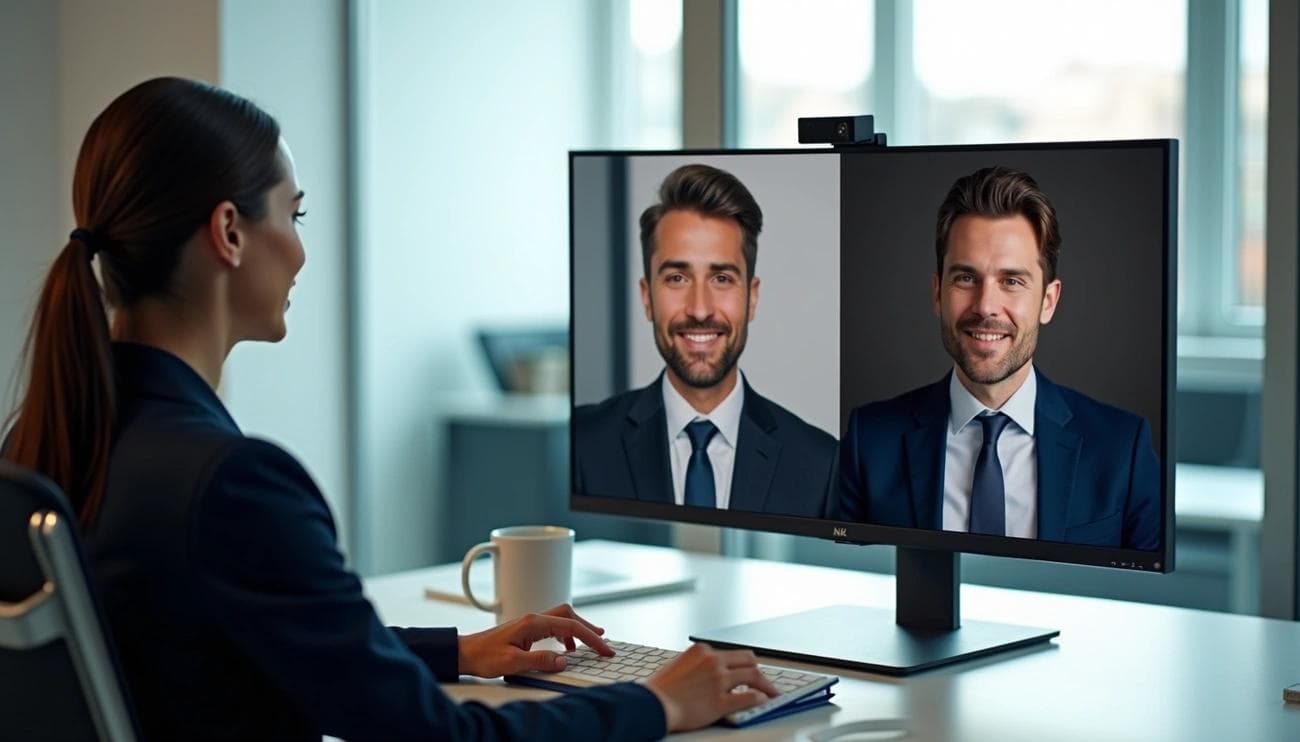
Recruiters face a growing challenge as 17% of U.S. hiring managers have encountered deepfake candidates during video interviews. This deceptive practice shows no signs of slowing down. Analysts predict that fake profiles could represent up to 25% of job candidates by 2028.
Recent statistics reveal a disturbing trend. Deepfake interview fraud surged 300% in 2025 compared to the previous year. Companies that switched to fully remote operations during 2020-2022 experienced four times more deepfake attempts than those conducting in-person interviews. These numbers explain why 76% of recruiters believe AI makes it impossible to verify candidate authenticity.
The financial stakes are significant. These fraudulent candidates target positions with annual salaries between $85,000 and $150,000. Detection of deepfake videos becomes more challenging each day, and organizations need reliable detection techniques to combat these sophisticated scams.
We'll help you identify fake candidates during remote interviews using deepfake detection technology and AI tools. You'll learn practical strategies to shield your organization from these evolving hiring scams. Understanding these deceptions and spotting them early will help you avoid hiring decisions that can get pricey.
Understanding Deepfakes in Remote Interviews
Deepfake technology has reshaped the security scene in remote hiring. Modern deepfakes use advanced AI algorithms, specifically generative adversarial networks (GANs), to create hyper-realistic fake videos that can trick even trained observers. This new tech brings unique challenges to recruiters in any discipline.
What makes deepfakes hard to detect
People just can't keep up with deepfake technology. Research shows humans can only spot AI-generated audio, video, or images with 53.7% accuracy—just a bit better than guessing. This explains why smart recruiters still fall for these deceptions.
Current deepfake technology creates believable representations by:
- Simulating subtle eye movements and appropriate lighting reflections
- Synchronizing audio perfectly with lip movements
- Making facial expressions look natural during conversation
- Cloning voices with just 30-second audio samples to copy tone, accent, and speech patterns
On top of that, these tools are now widely available. Basic apps let attackers put realistic faces on live webcam feeds and control eye blinks and lip movements with simple keystrokes. Some fraudsters even send pre-rendered video through virtual webcams. This gives them perfect lighting and rehearsed answers while they talk to recruiters through separate microphones.
Why remote hiring is a prime target
Remote work has created ideal conditions for deepfake exploitation. Without face-to-face meetings, criminals can use AI tools to build convincing fake identities. A 2024 study shows that 40% of cybercriminals use Zoom or Teams as their second step in multichannel attacks.
Remote hiring processes have weak spots that attract criminals:
Traditional recruitment methods like resume screening, video interviews, and background checks don't work against these threats. Teams spread across recruiters, managers, and team members create different verification standards that fraudsters can spot and exploit. Many competitive industries rush to hire quickly instead of checking thoroughly, which leaves security gaps.
The impact is huge. By 2026, about 30% of enterprises might find identity verification and authentication solutions unreliable because of AI-generated deepfakes. Gartner predicts that by 2028, one in four job candidates worldwide will be fake.
Common roles targeted by deepfake candidates
Fake candidates go after specific jobs more than others. IT and cybersecurity positions face the biggest risk because they usually offer remote work with access to sensitive systems. One expert said: "That's where the big dollars are. That's where it's worth taking a bigger risk... I'm going to make a lot more money in software engineering".
Jobs involving cybersecurity, financial data, and corporate IT databases are at high risk. These roles offer good pay—usually between $85,000 and $150,000 per year—and give access to valuable company networks, proprietary information, and customer data.
A shocking case came to light in May 2024. The Justice Department revealed that more than 300 U.S. companies had hired impostors linked to North Korea for remote IT roles. This led to at least INR 573.79 million in overseas revenue. This case shows both how common deepfake hiring fraud is and its national security risks.
How Deepfake Hiring Scams Are Executed
Deepfake hiring scams use sophisticated multi-layered strategies that blend technology with social engineering. These scams have evolved nowhere near simple resume padding. They are complete deceptions designed to place fake individuals into positions of trust and access.
Creating synthetic identities
Synthetic identities are the foundations of deepfake hiring fraud. Unlike traditional identity theft, scammers build these digital personas from scratch by mixing fictitious and real elements. Scammers start by posting fake job listings to collect genuine candidate information - the FBI received reports from over 16,000 people about this in 2020.
Fraudsters build convincing profiles with this harvested data:
- Creating LinkedIn accounts with believable work histories, endorsements, and detailed recommendations
- Setting up fake email addresses, websites, and virtual phone numbers to pose as past employers
- Establishing digital footprints across multiple platforms to withstand simple verification
Scammers aim to develop profiles that look credible yet remain hard to verify. U.S. Justice Department investigators found over 300 companies had unknowingly hired North Korean impostors for remote IT roles, leading to losses of at least INR 573.79 million.
Real-time face and voice manipulation
Modern deepfake technology makes live impersonation possible through several technical approaches:
Face swapping lets fraudsters overlay someone else's face onto their own during live video calls. Research shows even a novice can set up a decent live deepfake in about 70 minutes using consumer-grade hardware. The technology maps the fake face onto the scammer's movements to create a convincing illusion.
Voice cloning adds another powerful tool. Public software on GitHub can clone voices from short audio samples, letting scammers mimic specific accents or tones. This technology proved so effective that in one case, an employee sent INR 2953.32 million to scammers after they used deepfake audio to sound like a company director.
Advanced operations use "puppet master" techniques to transfer the actor's facial expressions, eye movements, and head positions to a target person. Special lip-sync technology focuses on changing mouth movements to match different audio.
Tactics used to avoid detection
Scammers use many strategies to dodge deepfake detection:
They create believable excuses for technical issues first. Many blame webcam problems for poor video quality or strange glitches. Some insist on specific video conferencing platforms that give them better control over their deepfake output.
Team-based approaches have become popular. Organized schemes split tasks between different people - one handles the deepfake visuals while another with real job skills speaks or solves tests from off-camera. This teamwork helps them handle technical interviews well.
Some deepfake candidates use AI tools like ChatGPT to generate instant answers during interviews. Their responses sound knowledgeable but generic. They target roles where remote hiring is normal and extra checks are rare - especially remote tech positions that can access customer data or corporate systems.
Deepfake technology keeps getting better, making detection an urgent priority for hiring managers and security professionals.
Red Flags to Watch During Interviews
Spotting deepfake candidates takes a trained eye to recognize signs that set AI manipulation apart from real human interaction. Organizations can avoid getting into pricey hiring mistakes by catching these visual and behavioral indicators early.
Visual glitches and lighting mismatches
Deepfake videos often show visual anomalies that reveal their artificial nature. Jump cuts in the editing appear frequently because AI systems can't create long, continuous deepfake videos from one viewpoint. The video's angle might change every few seconds, or you'll see the subject from multiple sides in choppy succession.
Lighting inconsistencies serve as another vital clue. Real videos keep consistent lighting throughout, while deepfakes show shadows from multiple directions at once or have lighting that noticeably flickers. You should also watch for unusual boundaries—blurring, flickering, or strange color transitions where the face meets the hair, ears, or neck.
Lip-sync and audio delays
Even advanced deepfakes have trouble with perfect audio-visual synchronization. Watch for mismatched lip movements, speech delays, or audio that doesn't sync well with the video feed. Studies show that human speech creates specific mouth shapes for sounds like 'm,' 'f,' or 'th,' which deepfakes often fail to replicate accurately.
Unnatural eye movement or expressions
The eyes give away deepfake deception. Yes, it is the unnatural blinking patterns (too frequent, too rare, or mechanically timed) that signal potential fraud. You should also look for mismatched eye shapes, uneven alignment, and the "dead-eye" stare without moisture or natural reflection. People naturally look away to pause conversation and think, so sustained, unblinking eye contact raises suspicion.
Behavioral inconsistencies
Real candidates show natural behavioral patterns that deepfakes can't fully copy. Look for mismatched reactions—like a candidate keeping a straight face while saying something that should trigger emotion. If other people appear in the video, their reactions might not match the subject's message or tone.
Reluctance to perform simple actions
The most revealing sign is resistance to simple verification requests. Security expert Dawid Moczadło suspected a candidate was using AI and asked them to place their hand in front of their face. "When they refused, I immediately ended the interview," Moczadło explained in a viral LinkedIn post. Be cautious of candidates who resist adjusting their camera or environment by saying "I can't move my laptop" or refusing to show their workspace.
Human and AI-Based Deepfake Detection Techniques
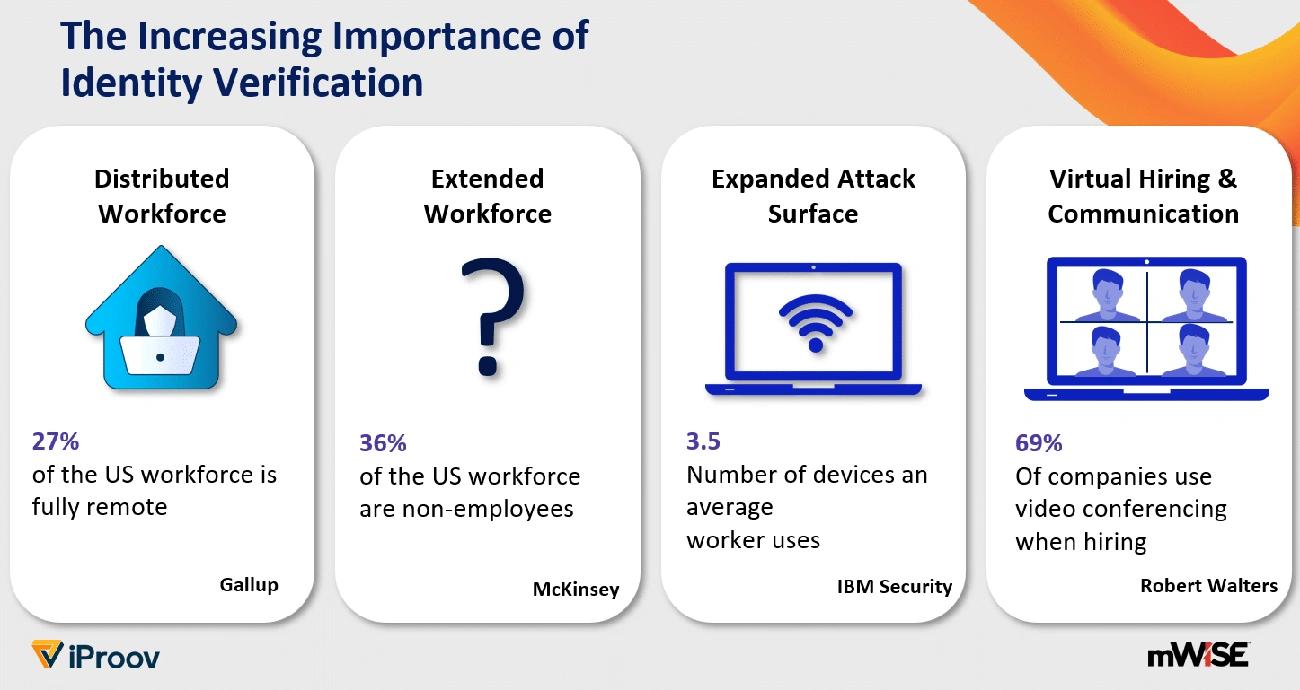
Image Source: iProov
Organizations need AI and human intuition working together to curb deepfake fraud. A multi-layered approach that combines active testing with specialized technology helps organizations stay ahead as deepfake capabilities advance.
Live interaction tests for authenticity
Challenge-response methods are one of the best defenses against up-to-the-minute deepfakes. Candidates perform spontaneous actions that today's deepfake technology doesn't deal very well with. To name just the same example, asking candidates to place their hand in front of their face can reveal manipulation. Deepfake models often fail when an object interrupts tracking. Some other effective tests include:
- Asking for quick head movements or position changes
- Getting candidates to interact with nearby objects
- Changing lighting conditions during the interview
Adding a second camera creates another security layer. This makes it harder for fraudsters to maintain consistent deception from multiple angles.
Training recruiters to spot behavioral cues
Human observation plays a vital role alongside technology. Smart organizations now include deepfake awareness in their security training. Good training programs should:
Start by showing recruiters common visual artifacts and audio inconsistencies through side-by-side comparisons of real and synthetic media. Next comes simulation exercises where recruiters learn to spot known deepfakes. The final step creates a structured verification protocol for interviewers to follow.
Using deepfake detection tools during interviews
Deepfake detection technology has grown faster to meet rising threats. Modern solutions look for subtle inconsistencies in video feeds and flag potential manipulation during live conversations. These tools check everything from facial micro-expressions to voice patterns that might reveal synthetic generation.
Multi-factor authentication before scheduling interviews acts as the first line of defense. Candidates must verify their identity through trusted channels before the interview starts. Adding liveness detection technology to videoconferencing platforms helps monitor the entire interaction.
Post-interview video analysis with AI
High-security positions need post-interview analysis for extra protection. Special AI tools can review recorded interviews using machine learning models trained to recognize deepfake patterns. These systems generate "fidelity scores" to measure video quality issues that often appear in synthetic media.
Studies show human evaluation combined with AI detection creates the strongest defense. Each method excels at spotting different types of manipulation. All the same, deepfake capabilities improve alongside detection technology—making constant watchfulness crucial.
Building a Deepfake-Resistant Hiring Process
A foolproof hiring process needs a strategic defense against deepfake fraud. Organizations can't rely on just one security measure. They must build complete frameworks that protect integrity throughout the recruitment experience.
Multi-step identity verification
Identity verification starts before the first interview. Organizations should request government-issued identification through secure channels and match it with the candidate's appearance during video calls. Biometric verification lets candidates use their smartphones to capture selfies and complete liveness detection tests that match their facial features against ID documents. Smartphone cameras enable contactless fingerprint scanning as an extra authentication layer. Some organizations conduct video chats between candidates and recruiters to verify identity more interactively.
Layered interview stages with consistency checks
The hiring process should have multiple interview stages to spot inconsistencies. Brief video screenings help establish baseline characteristics of candidates' faces and voices before moving to detailed technical interviews. To cite an instance, see how adding surprise calls or short-notice video meetings works as authenticity spot-checks - unexpected interactions often reveal those who can't appear live. Changes between sessions need careful attention - different demeanor, confidence levels, or video quality might show scammers switching operators between interviews.
Secure platforms with built-in detection
Modern recruitment platforms come with integrated anti-deepfake technology. Solutions like Sensity AI deliver 98% accuracy in deepfake detection compared to 70% for non-AI forensic tools. These platforms analyze video, voice, and behavior at once to identify synthetic patterns that basic detection might miss. Many provide up-to-the-minute data analysis for digital media of all types, including video, images, audio, and identities.
Balancing security with candidate experience
Security matters most, but invasive measures can harm candidate relationships. 60% of job seekers abandon applications when identity checks feel too intrusive. A proportionality assessment helps determine appropriate security levels - high-security roles need more intensive monitoring than entry-level positions. The process requires transparency about verification procedures while protecting candidate data through privacy-by-design implementation.
Conclusion
Deepfake technology threatens remote recruitment processes, and modern hiring teams need to be watchful. This piece explores how fraudsters create synthetic identities and manipulate faces and voices in real time. They target high-paying positions that give access to sensitive information.
Teams can spot these sophisticated deceptions by looking for visual clues like odd lighting, unnatural eye movements, and lip-sync problems. Human interaction often reveals the truth when technology falls short. Companies face big financial and security risks if deepfake candidates get through, especially since they go after roles with access to valuable corporate systems.
Protection needs multiple security layers. Teams should use challenge-response checks during interviews, AI detection tools, and well-laid-out hiring processes. Identity checks must happen at different stages. Recruiters need specific training to spot deepfake signs. Organizations should use secure platforms that have built-in detection features.
Finding the right balance between tight security and a good candidate experience is vital. Deepfake technology keeps advancing, and organizations must be proactive. They need to stay ahead of fraudsters through ongoing education and better human and technological defenses. Being watchful today shields your organization from devastating risks tomorrow.
Key Takeaways
As deepfake technology becomes more sophisticated, recruiters must adapt their hiring processes to protect against increasingly convincing fraud attempts that target high-value remote positions.
• Watch for visual red flags: Look for lighting inconsistencies, lip-sync delays, unnatural eye movements, and reluctance to perform simple actions like placing hands in front of faces during video interviews.
• Implement live interaction tests: Ask candidates to perform spontaneous actions, adjust their camera position, or interact with nearby objects to expose real-time deepfake limitations.
• Use multi-layered verification: Combine government ID checks, biometric verification, multiple interview stages, and AI-powered detection tools to create comprehensive security barriers.
• Train your hiring team: Educate recruiters on deepfake detection techniques and establish consistent verification protocols, as human accuracy in spotting deepfakes is only 53.7% without proper training.
• Target high-risk positions carefully: IT, cybersecurity, and remote roles with $85,000-$150,000 salaries face the greatest deepfake threats, requiring enhanced security measures for these positions.
The stakes are high—by 2028, analysts predict 1 in 4 job candidates could be fake. Organizations that fail to adapt their hiring security now risk significant financial losses and potential data breaches from fraudulent employees gaining access to sensitive systems.