


Introduction
Organizations struggle to fill full-time roles, with 75% reporting hiring difficulties. This makes finding the right recruitment methods crucial.
The disconnect between recognizing and measuring hiring success keeps growing as we move toward 2026. Most talent acquisition professionals (89%) believe measuring quality of hire matters more than ever. Yet only 25% believe their organization can measure it properly. Modern recruitment strategies must evolve beyond old-school approaches.
Technology changes the way we find and secure top talent. Companies like Unilever have cut their time-to-hire by 90% using AI-powered platforms that automate repetitive tasks. On top of that, companies that focus on candidate experience see their quality of hire jump by 70%.
This piece will get into practical, measurable recruitment best practices that affect hiring quality. Skills-based assessments, structured interviews, and informed decision-making take center stage. You'll learn how modern recruitment methods help build a workforce that delivers stronger performance, higher retention, and better business outcomes in today's competitive talent market.
What Does 'Quality of Hire' Really Mean in 2026?
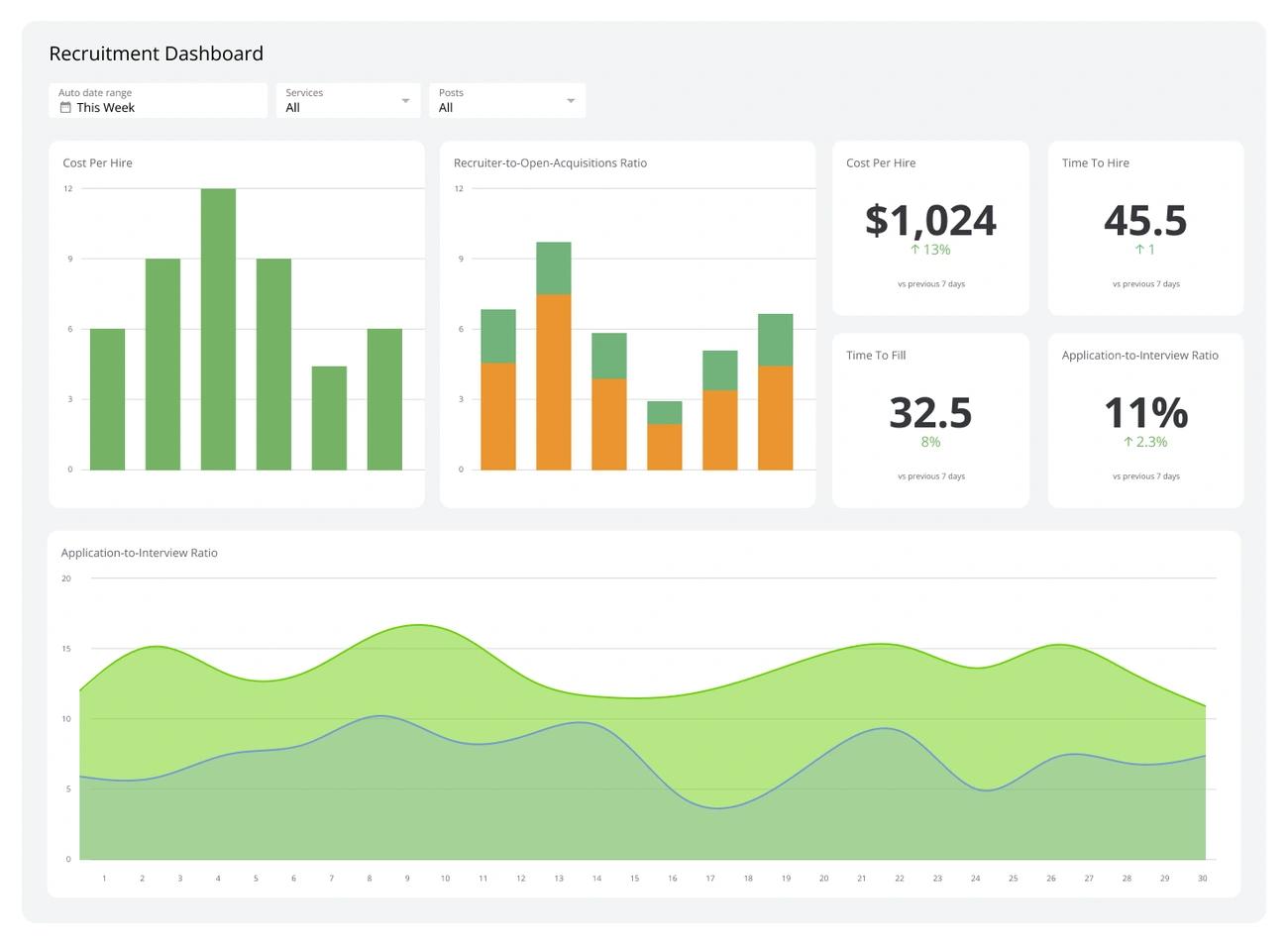
Image Source: Klipfolio
Quality of hire has changed from a vague concept to the life-blood metric that drives modern talent acquisition teams. Traditional recruitment metrics only track process efficiency, while quality of hire shows the actual long-term value new employees add to your organization.
This metric has become the top ROI indicator for 31% of recruitment teams in 2026. Modern recruiters no longer ask "How quickly can we fill this position?" They want to know "How will this person help us achieve our goals over the next two years?"
Quality of hire stands out because it focuses on outcomes rather than inputs. Progressive organizations review performance, engagement, retention, and cultural fit instead of tracking vanity metrics like time-to-fill. This change isn't just another trend—companies need it to grow sustainably in today's competitive talent market.
Numbers make a strong case for prioritizing quality. Top performers can generate up to 2.5 times more business impact than their colleagues. Each hiring decision matters greatly. Companies that measure quality effectively report 30% higher revenue per employee and cut turnover costs by 25%
.
We have a big measurement problem, even though everyone knows quality matters. About 89% of talent professionals say quality of hire is crucial, but only 25% know how to measure it properly. Companies that develop solid measurement systems will have a real advantage.
Most organizations use a balanced scorecard to review quality of hire with these key indicators:
- Performance metrics - Job-specific KPIs that measure contribution and output
- Retention rates - How long new hires stay with the organization
- Cultural fit - How well employees match company values and team dynamics
- Time to productivity - How quickly new hires reach full performance potential
- Hiring manager satisfaction - Feedback from direct supervisors who witness daily performance
SkillSauce's Quality of Hire Calculator helps talent teams that struggle with measurement. Recruitment teams can spot patterns in successful hires and fine-tune their strategies by combining these metrics into one actionable score.
Quality of hire measurement will get smarter as predictive analytics and AI technologies grow. Companies that build strong measurement foundations now will make better hiring decisions and pull ahead of competitors.
Smart talent acquisition needs more than just filling empty seats. Making quality of hire your guiding metric turns recruitment from a cost center into a growth engine. New hires won't just meet current role requirements—they'll help shape your organization's future success.
Key Metrics to Measure Quality of Hire
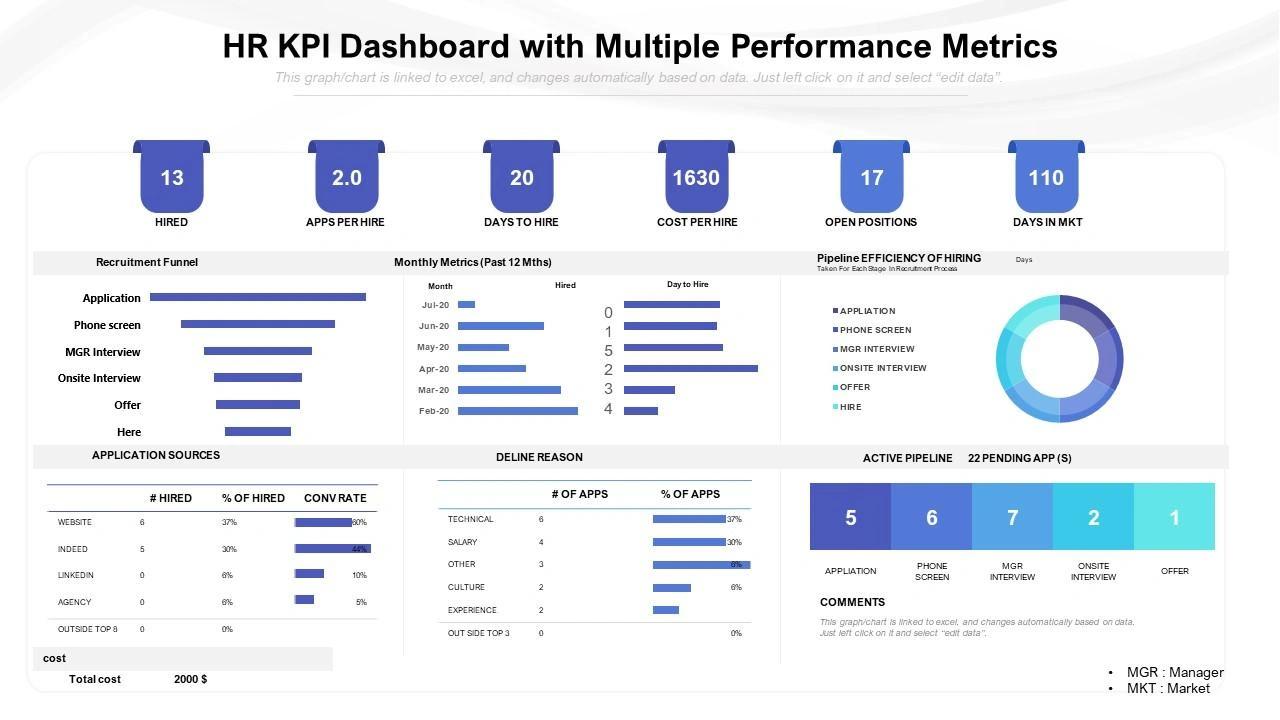
Image Source: SlideTeam
You need specific metrics that connect with business outcomes to measure how well your recruitment methods work. These metrics give you practical insights about hiring effectiveness at the time they are properly used and help optimize your recruitment strategy plan.
Performance and productivity standards
Performance metrics are the foundations of quality measurement. They focus on new hire's contribution to organizational goals. Role-specific KPIs should be your standards that connect to measurable revenue or cost savings. Customer-facing positions need direct feedback through Net Promoter Scores. Technical roles work better with peer reviews of work quality.
Modern recruitment methods use structured performance indicators instead of subjective assessments. These objective measurements include:
- Productivity metrics (output, goal achievement)
- Revenue generation or cost savings
- Customer satisfaction scores (when applicable)
Organizations that use evidence-based quality measurement report 39% fairer hiring treatment for women and 45% fairer treatment for racial minorities compared to traditional approaches.
Retention and turnover rates
Retention metrics show how good your hiring is and reflect both job fit and organizational line up. The first year tells us a lot—research shows that 37.9% of employees self-report leaving a job before their first year.
Track retention at these key intervals to get the full picture:
- 30-day retention (onboarding effectiveness)
- 90-day retention (role fit assessment)
- 12-month retention (long-term value)
High turnover affects quality by a lot through direct costs (exit interviews, severance, replacement) and indirect costs (lost productivity, reduced morale, and damaged employer brand). Each percentage point increase in turnover can increase product failures by 0.74-0.79%.
Hiring manager satisfaction
The core team's satisfaction shows how happy managers are with both the recruitment process and candidate quality. This metric matters because hiring managers make final selection decisions and work directly with new hires.
Structured surveys after each hire should assess:
- Candidate quality and diversity
- Recruitment strategy effectiveness
- Accuracy of job descriptions
- Communication with HR
Yes, it is true that 94% of candidates say that contact from their future manager can make them accept job offers faster. This shows how involved hiring managers directly affect recruitment outcomes.
Time to full productivity
Time to productivity measures how long it takes from a new employee's start date until they reach full productivity in their role. Different positions need different timeframes—customer service roles might take days while marketing managers could need months.
This measurement helps you assess:
- Onboarding program effectiveness
- Recruitment process quality
- Resource allocation efficiency
- Hidden skills gaps
Studies show that good onboarding processes improve retention and productivity by 72%. This makes the metric essential to measure quality fully.
Using SkillSauce's Quality of Hire Calculator
Measure the effectiveness of your hiring decisions using SkillSauce's Quality of Hire Calculator. Identify what's working, fix gaps, and hire better with data-backed insights.
The best quality measurement uses a balanced formula that combines multiple metrics. SkillSauce's calculator uses this formula:
Quality of Hire = (Performance + Productivity + Engagement + Retention) / Number of Metrics
Each component scores on a scale of 100 to create a detailed quality score. Companies that track quality of hire through such tools report 30% higher revenue per employee and 25% reduction in turnover costs.
The future of recruitment will keep focusing on measurable quality indicators that link hiring decisions to business performance. These metrics in your recruitment strategy plan will build a foundation for data-driven decision-making that makes hiring outcomes better consistently.
8 Recruitment Techniques That Improve Quality of Hire
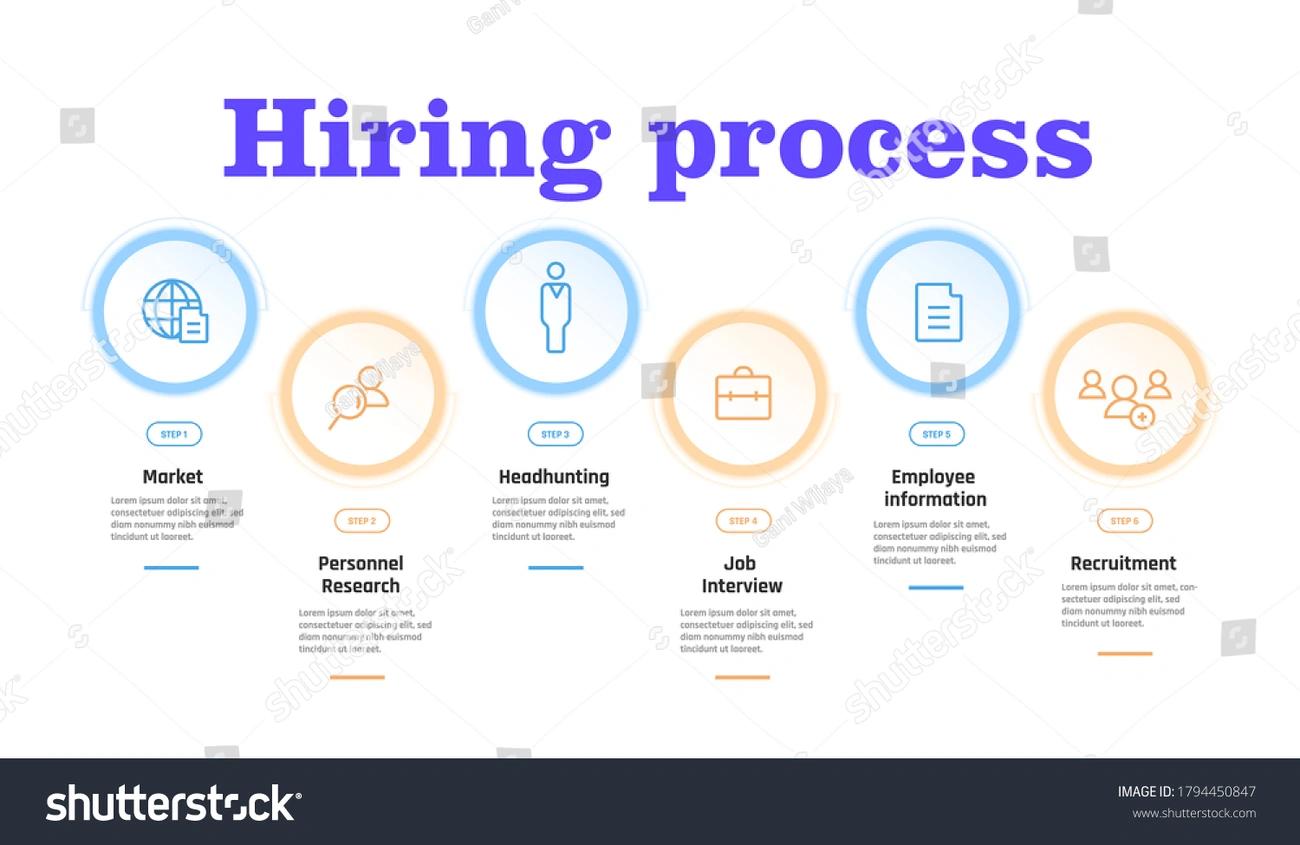
Image Source: Shutterstock
Quality hiring improves significantly with strategic recruitment techniques. Organizations that use multiple assessment methods report 31% higher performance from their new hires. Here are eight proven approaches that bring in top talent.
1. Skills-based hiring over credentials
The focus on practical competencies rather than traditional qualifications makes more sense today. Two-thirds of adults don't have bachelor's degrees. This method looks at what candidates can do rather than their education or job titles. The results speak for themselves - candidates picked this way are five times more likely to perform well compared to traditional hiring methods. The World Economic Forum predicts that 39% of workers will need different skills between 2025 and 2030, which makes adaptable skills vital.
2. Structured interviews with scoring rubrics
A consistent assessment framework emerges from standardized questions and evaluation criteria for all candidates. These interviews predict job performance twice as effectively as casual conversations. Teams that use structured interviews with scoring rubrics see up to 15% better hiring quality. Job-related competencies take center stage instead of gut feelings, which makes hiring fairer and more strategic.
3. AI-powered resume screening and assessments
Smart screening tools employ machine learning and natural language processing to evaluate candidates better and faster. About 87% of organizations now use AI somewhere in their hiring process. These systems work faster than human reviewers and cut down on unconscious bias. Companies report they can find, score, and rank candidates for 90% of positions in just five minutes. This speed boost doesn't compromise on quality standards.
4. Pre-hire soft skills and culture fit evaluations
Soft skills drive 85% of career success, while technical knowledge accounts for just 15%. About 93% of employers now rate soft skills as "very important" or "essential". Cultural fit checks help match candidates with organizational values and work environments. Strong cultural matches lead to 40% better collaboration and 30% improved employee performance.
5. Internal mobility and talent redeployment
Moving employees to high-priority roles within the organization makes the most of existing talent. Organizations with good internal mobility frameworks have seen 30% more internal moves since 2021. This approach cuts hiring costs, speeds up productivity, and keeps employees longer. Staff members stay almost twice as long at companies with high internal mobility compared to those without it.
6. Data-driven sourcing and recruitment marketing
Numbers and analytics remove the guesswork from recruitment. Organizations can make smarter decisions about their recruitment efforts by tracking source effectiveness, candidate quality, and hiring outcomes. Companies that utilize recruitment analytics see lower cost-per-hire and 33% better revenue growth. Internal referrals typically bring in the strongest performers.
7. Post-hire performance tracking and feedback loops
Better hiring decisions come from watching how new hires perform. Recruitment teams can fine-tune their selection criteria by linking pre-hire assessment results with actual job performance. Organizations with these feedback systems report 30% higher revenue per employee. This tracking helps identify what really predicts success in specific roles.
8. DEI-focused hiring practices
Better quality comes from diversity-enhanced recruitment strategies. Companies with ethnic diversity outperform industry medians financially by 35%, while gender diversity boosts performance by 15%. Standardized assessments, diverse interview panels, and inclusive job descriptions help find better candidates from wider talent pools. Job seekers care too - 78% look at DEI efforts when choosing employers.
How to Build a Recruitment Strategy Plan Around Quality
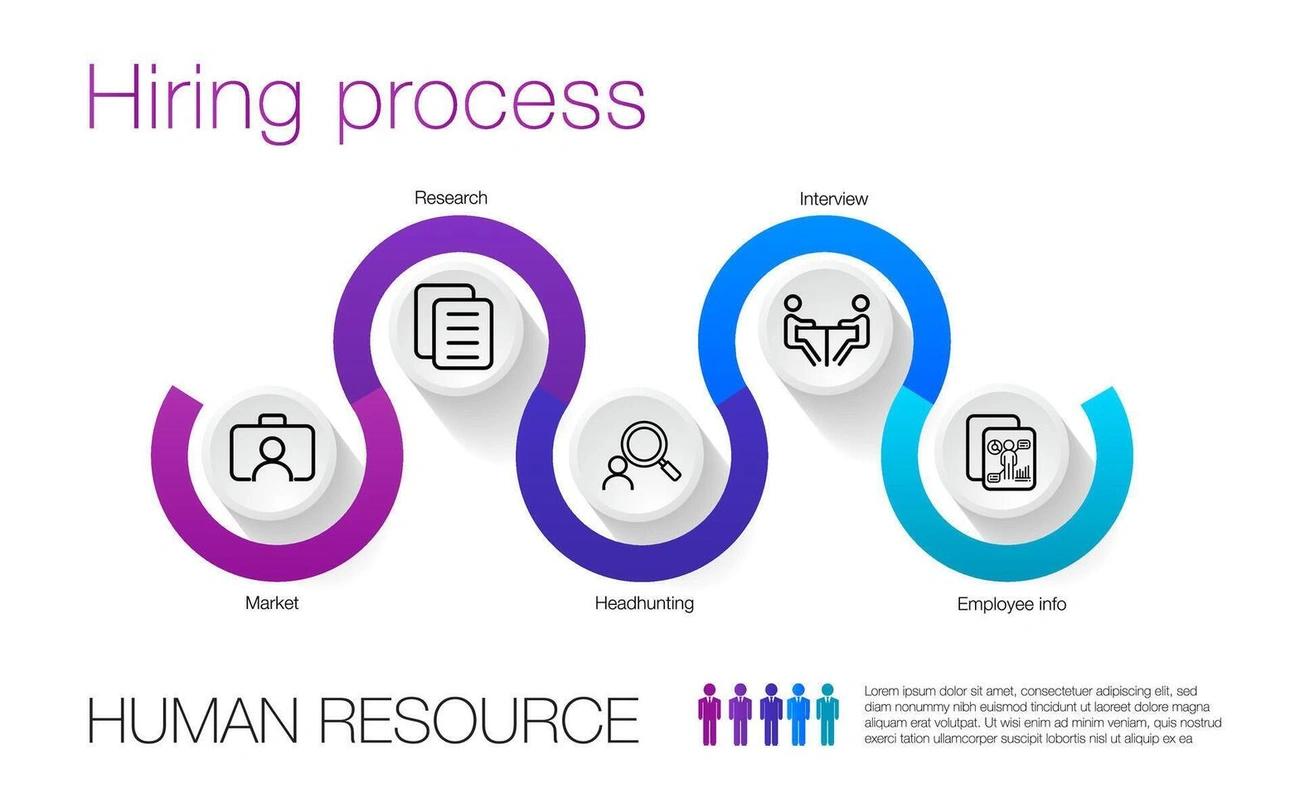
Image Source: Vecteezy
A successful recruitment strategy plan needs careful design that focuses on quality outcomes. Companies that think through their hiring processes see better performance and less turnover in roles at every level.
Align hiring goals with business outcomes
Effective recruitment starts by connecting talent needs directly to company goals. Leadership teams should work together during planning sessions to understand key priorities—whether launching new products, expanding markets, or digital transformation. Some roles affect business success more than others, so identifying these positions becomes crucial. A skills gap analysis helps determine which positions need external talent versus internal development. Each new hire should clearly support strategic initiatives.
Map candidate journey to quality checkpoints
The typical time-to-hire takes about 31 days, showing delays that make top talent lose interest. Companies should create a clear picture of every step candidates go through—from finding the job to their first day. Research shows 89.4% of candidates quit applications they find too complex. A detailed map of these interactions helps teams spot issues like slow responses or clunky processes. Quality checkpoints at key stages ensure candidates get quick updates about where they stand.
Train hiring teams on evaluation consistency
Hiring team members must evaluate candidates the same way. Research reveals interviewers often rate candidates differently, letting personal bias override company standards. Teams need structured templates, standard questions, and clear scoring guides before conducting interviews. Regular training should cover legal requirements, ways to reduce bias, and proper feedback methods. Tools like SkillSauce's Quality of Hire Calculator help measure hiring success through consistent data points.
Common Pitfalls That Lower Quality of Hire
Recruitment methods keep evolving, but some pitfalls still hurt hiring quality. Companies can improve their strategies when they understand these common traps.
Over-reliance on gut feeling
Research shows that half of hiring managers make poor decisions because they trust their instincts too much instead of using structured evaluation criteria. This problem hits younger managers harder - 61% of those under 35 admit this mistake. Male hiring managers struggle more at 58% compared to their female colleagues at 42%. Companies that rely on subjective evaluations are twice as likely to regret their new hires within six months. The costs add up fast, with bad hires costing organizations up to 30% of an employee's first-year earnings.
Ignoring post-hire data
Most companies have tracking systems but don't make use of their valuable post-hire information. Organizations need six months to a year of hiring data that covers peak recruitment times to improve their process. This data can transform recruitment campaigns by showing which sources consistently bring in top performers. Companies that use data-driven recruitment see their hiring quality improve by up to 39%.
Lack of structured feedback from hiring managers
Poor feedback from hiring managers creates delays that lead to lost talent, HR bottlenecks, and damage to the company's reputation. Vague responses like "not the right cultural fit" don't give candidates any applicable information. Smart recruitment teams fix this by using feedback templates, clear examples of quality feedback, and interview transcription tools. Constructive feedback remains one of the most important but overlooked parts of successful recruitment strategies.
Conclusion
Quality of hire has without doubt become the guiding light for forward-thinking recruitment teams in 2026. This piece explores how recruitment techniques affect hiring quality and business success. Teams that put quality before speed gain a big edge through better talent acquisition.
Numbers tell the real story. Companies that use skills-based assessments find their candidates are five times more likely to excel compared to traditional methods. On top of that, well-laid-out interviews predict job performance twice as effectively as casual conversations. These results show why recruitment needs to grow from simple checkboxes into a strategic business function.
Data-driven decisions are the heart of quality-focused recruitment. Companies that track quality metrics see 30% higher revenue per employee and spend 25% less on turnover costs. The real challenge lies in measurement. While 89% of talent professionals know quality of hire matters, only 25% can measure it well.
This gap in measurement gives companies a real chance to build better frameworks. Quality of Hire Calculator and similar tools help review hiring success through steady data points that track performance, retention, cultural fit, and productivity.
The digital world changes faster each day. AI platforms are reshaping how we hire by streamlining routine tasks. Unilever cut their time-to-hire by 90%. All the same, technology alone won't guarantee quality - smart implementation and human oversight matter just as much.
Candidate experience plays a huge role in quality outcomes. Companies that invest in positive recruitment see their quality of hire jump by 70%. This shows why everything counts - from clear job descriptions to timely interview feedback.
Excellence in recruitment means steering clear of common mistakes. Trusting gut feelings too much, missing post-hire data, and getting spotty feedback from hiring managers all hurt quality. These issues need planned strategies, not quick fixes.
The future looks bright for quality of hire measurement with predictive analytics and AI technologies leading the way. Companies that build strong measurement systems now will make better hiring decisions later. After all, recruitment isn't about filling empty seats - it's about building teams that drive lasting business growth.
Key Takeaways
Quality of hire has become the critical metric for recruitment success, with organizations prioritizing long-term value over quick fills to drive sustainable business growth.
- Skills-based hiring delivers 5x better performance than credential-focused methods, addressing the reality that 67% of adults lack bachelor's degrees
- Structured interviews with scoring rubrics are twice as predictive of job success compared to unstructured conversations
- Organizations tracking quality metrics report 30% higher revenue per employee and 25% reduction in turnover costs
- AI-powered screening can reduce time-to-hire by 90% while maintaining quality standards through objective candidate evaluation
- Post-hire performance tracking creates feedback loops that improve future hiring decisions and refine selection criteria over time
Despite 89% of talent professionals recognizing quality of hire's importance, only 25% feel confident measuring it effectively. This measurement gap represents a significant opportunity for organizations willing to implement robust frameworks that connect hiring decisions directly to business outcomes and long-term organizational success.