


Introduction
Choosing the right questions to ask interviewee candidates determines whether you hire top talent or settle for less. 50% of employees said their interviewer could make or break whether they accept a job offer. 75% of recruiters also feel behavioral questions help determine a candidate's performance.
We've compiled 7 interview questions to ask interviewee candidates that reveal insights about their problem-solving abilities and cultural fit. These top interview questions to ask interviewee will help you make confident, evidence-based hiring decisions in 2026.
Tell Me About a Time You Overcame a Significant Challenge
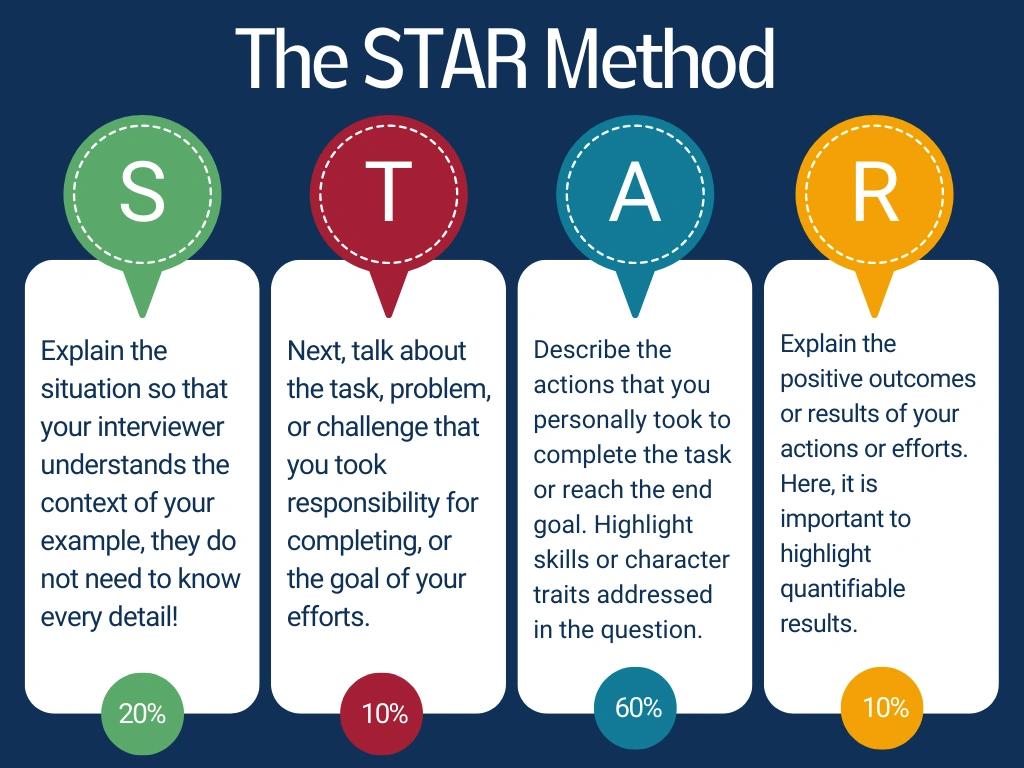
Image Source: MIT Career Services
This behavioral question ranks among the best interview questions to ask interviewee candidates because it reveals their resilience and adaptability. Learning and development professionals say resilience and adaptability stand as the most important skills to become skilled at. The open-ended format allows candidates to demonstrate what they personally think about as a most important challenge. This provides insight into their priorities, values and perception of difficulty.
What This Question Reveals
Problem-solving ability under pressure separates candidates who thrive from those who merely survive. This question to ask an interviewee as an employer assesses how candidates tackle real challenges rather than recalling rehearsed answers. You'll see their thought process and decision-making approach. You'll also see their capacity to learn from adversity.
Organizations with strong leadership are 13x more likely to outperform their competition. Even when you're not hiring for leadership roles, this question identifies people who can inspire others through their approach to obstacles. Their answer reveals whether they stay surface-level or take a closer look at the building process. This shows genuine problem-solving depth.
Key Indicators to Look For
Strong candidates provide structured answers that make their thinking visible. They explain the situation's context, their role, actions taken and positive results achieved clearly. Pay attention to the reasoning behind decisions rather than just descriptions of activities.
Ownership emerges as the critical signal. Candidates should clarify their individual contribution and not hide behind team language. They acknowledge constraints and explain trade-offs considered. They demonstrate accountability for outcomes. The strongest answers maintain clarity even when challenged with follow-up questions about alternative approaches or decisions made under pressure.
Look for candidates who frame challenges as learning opportunities. They should express what they gained from the experience and how it shaped their future approach. Candidates who show empathy for others involved in the situation demonstrate emotional intelligence alongside problem-solving skills.
Tools like SkillSauce help standardize evaluation across multiple interviewers. They provide AI-driven assessment frameworks that reduce bias and ensure each candidate's problem-solving narrative is measured against consistent criteria.
Red Flags to Watch Out For
Vague descriptions that obscure individual responsibility signal weak accountability. Candidates who overuse "we" without clarifying their contribution or blame colleagues for negative outcomes reveal a passive role rather than ownership. Blaming others is damaging because it signals an unwillingness to acknowledge mistakes and adjust.
Candidates who rush to conclusions without analyzing the problem demonstrate reactive rather than thoughtful approaches. Their solutions lack steps and fail to anticipate challenges. They remain impractical without grounding in reality. Weak answers rely on generalities where outcomes cannot be traced to specific decisions.
Watch for defensive language around challenges or failures. Candidates who present themselves as victims without self-reflection create future coaching difficulties. So those who display panic, confusion or disengagement when discussing pressure situations indicate they get overwhelmed easily. Resistance to adjusting strategies with new information reveals rigid thinking patterns that limit growth potential.
Follow-Up Questions to Ask
Probe deeper to confirm credibility and decision depth. Ask why they chose one option over another and what alternatives they thought about. Strong answers improve under questioning, while unclear decision logic collapses when details become inconsistent.
Try these good questions to ask interviewee candidates: "What constraints influenced your decisions?" and "What would you do differently next time?" These reveal whether candidates can explain their reasoning and take accountability under uncertainty. To name just one example, ask them to describe their thought process in detail: Why didn't they see the challenge coming? How did data shape their decision-making efforts?
Request specific examples of how they responded and why they chose that approach. This separates candidates who provide rehearsed narratives from those demonstrating genuine judgment patterns relevant to your role.
How Do You Prioritize Multiple Tasks When Facing Tight Deadlines?
Image Source: The Interview Guys
Workplace pressures just need employees to juggle competing priorities without sacrificing quality. This question stands among the best interview questions to ask interviewee candidates because it exposes how they manage workload, assess urgency versus importance, and maintain effectiveness when attention splits across multiple responsibilities.
What This Question Reveals
Multitasking represents knowing how to handle multiple tasks or responsibilities at once and do so with minimal productivity loss. Strong multitaskers excel at prioritization and organization. They adapt to changing circumstances quickly. This question to ask an interviewee as an employer reveals their prioritization methods, organizational systems, and capacity to maintain quality despite divided attention.
You'll find whether candidates assess priorities with strategy or react on impulse to whatever appears most urgent. Their response shows how they allocate time across different pressures, communicate capacity constraints to stakeholders, and use tools or frameworks to stay organized. The most revealing answers include not just what candidates did but their approach to balancing multiple pressures and the outcomes they achieved.
So this question separates candidates who excelled at managing multiple responsibilities from those who survived a busy period. Tools like SkillSauce help standardize how you assess these organizational abilities across different interviewers, reducing bias by ensuring each candidate's prioritization approach receives consistent assessment against clear criteria.
Key Indicators to Look For
Strong candidates make to-do lists and break large projects into smaller, manageable steps. This demonstrates they're organized and more likely to complete work on time. They separate important tasks from urgent ones and understand that while most job duties matter, only some are time-sensitive.
Listen for specific prioritization frameworks. Candidates might mention the Eisenhower Matrix, which categorizes tasks by urgency and importance to focus on critical deadlines while delegating or scheduling others. Some reference project management tools like Trello or Asana to track progress and ensure nothing falls through the cracks. Time blocking emerges as another indicator, where candidates dedicate specific hours to each task to maintain focus.
Watch for candidates who estimate time, effort, and resources needed before diving into work. They prepare themselves by assessing project requirements upfront. Strong candidates don't hesitate to re-assess tasks, identifying inefficiencies in their workload and suggesting process improvements.
Communication about capacity constraints signals maturity. Candidates should explain how they negotiate deadlines when overcommitted, inform stakeholders about competing priorities, and set realistic expectations. They describe methods for refocusing after interruptions quickly and protecting time for concentrated work.
Red Flags to Watch Out For
Candidates who micromanage reveal difficulty delegating tasks. This makes them more likely to wind up with unmanageable workloads. Poor communication skills cause team-wide misunderstandings about priorities and deadlines. When candidates lack clarity in explaining their prioritization approach, it suggests they operate without structured methods.
Watch for those who lose the bigger picture and view projects as individual tasks rather than considering how they add company value. This makes them less likely to prioritize based on importance. Procrastination signals poor concentration and lack of drive. People distracted by trivial issues struggle focusing on their most important responsibilities.
Unrealistic scheduling causes some candidates to overcommit without recognizing their capacity limits until problems emerge. Firefighting mode every day indicates missing systems and structure rather than genuine productivity. Constant rushing compromises output quality and client satisfaction. When candidates can't articulate specific criteria for deciding which tasks deserve attention first, they're operating on reaction rather than strategy.
Follow-Up Questions to Ask
Probe deeper with these good questions to ask interviewee candidates: "What criteria did you use to determine which tasks needed your attention first?" This reveals their decision-making framework and whether they consider impact, urgency, dependencies, or deadlines.
Ask "How did you communicate your capacity constraints to stakeholders?" to assess their transparency and negotiation skills when overloaded. Follow with "What would you do differently if faced with a similar situation today?" to assess their learning and self-awareness.
Try "How did you maintain quality across all tasks despite the divided attention?" to understand their standards and methods for preventing quality degradation under pressure. Ask also "How did you decide what needed to be deprioritized to accommodate the new priority?" when discussing unexpected changes, revealing their flexibility and strategic thinking.
Request specifics about systems or approaches that helped them pivot and indicators they monitored to ensure all projects progressed. These top interview questions to ask interviewee candidates distinguish those with genuine organizational mastery from those relying on luck or adrenaline to survive busy periods.
Describe a Situation Where You Disagreed with a Team Member and How You Resolved It
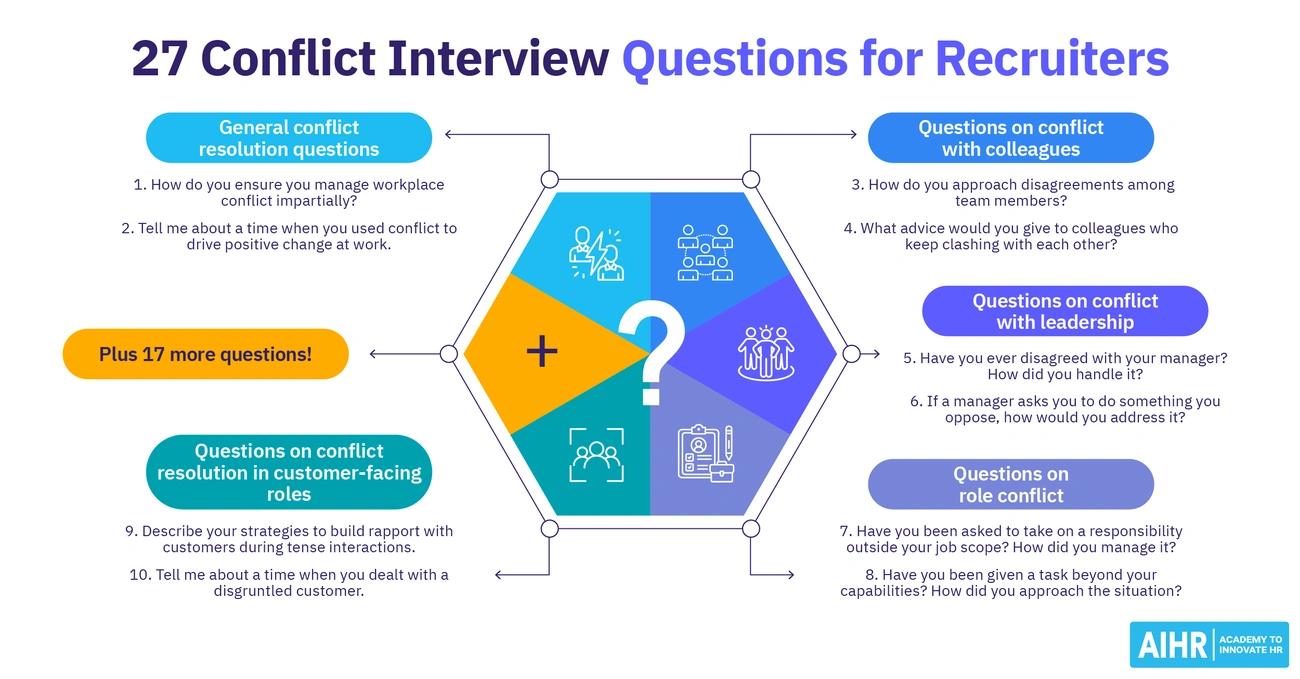
Image Source: AIHR
Disagreements between team members reveal more about a candidate's professional maturity than most other interview questions to ask interviewee candidates. Workplace conflict scenarios are natural challenges every team faces. Even the friendliest groups experience misunderstandings, clashing work styles, role ambiguities and unclear expectations. This question to ask an interviewee as an employer exposes how candidates direct interpersonal tension while maintaining productivity and relationships.
What This Question Reveals
Conflict resolution abilities separate candidates who strengthen teams from those who fracture them. This question uncovers whether candidates approach disagreements with empathy and collaboration or resort to avoidance and defensiveness. You'll see their communication skills under stress and capacity to understand opposing viewpoints. You'll also see their commitment to finding solutions that benefit both parties rather than forcing their view.
Emotional intelligence emerges through how candidates describe both positions in the conflict. Strong candidates demonstrate they can get to the core of the matter by understanding another person's fears, needs and hopes rather than dwelling on surface-level arguments. Their response reveals whether they use collective language that builds bridges or divisive terminology that creates camps.
SkillSauce helps standardize conflict resolution assessment by providing AI-driven frameworks that review whether candidates demonstrate genuine collaboration skills across multiple interviewers. This reduces subjective bias in scoring interpersonal abilities.
Key Indicators to Look For
Candidates who understand and state both points of view demonstrate the empathy necessary for healthy workplace relationships. They should explain their position while acknowledging the strengths or upsides of the other view without dismissive or condescending tones. Active listening emerges as one of the strongest predictors of effective collaboration and trust within teams.
Strong answers include scheduling private conversations to discuss differences and presenting viewpoints backed by data or reasoning. They also include facilitating constructive dialog that guides to compromise. Candidates should describe how they expressed opposition while staying solution-focused rather than reactive. The best responses show disagreement resolved to mutual satisfaction, with both parties feeling heard and understood.
Watch for candidates who use collective language like "we" most of the time rather than divisive phrases such as "their side" or "us and them". They should admit their position might be wrong or has downsides. This demonstrates flexibility over ego. Then strong collaborators explain how they encouraged open communication and found common ground. They focused on team goals rather than individual priorities.
Red Flags to Watch Out For
Inability to state or empathize with the other point of view signals poor collaboration potential. Candidates who describe strengths of only their view while dismissing the other party's concerns lack the maturity for productive teamwork. Blaming others and bad-mouthing coworkers reveals unprofessionalism and limited empathy.
Disagreements are resolved through an avoidance signal to avoid trouble. Candidates who gave up or stopped working with the other person sweep problems under the rug rather than address them. Resolution through role power, escalation or other non-collaborative methods demonstrates poor conflict management. Generic answers that don't describe specific situations won't reveal actual conflict resolution skills.
Defensiveness under challenge, dismissing group consensus or refusing to adjust approaches signals resistance to feedback. Candidates who focus on minor disagreements or turn each difference into a conflict struggle to listen to differing opinions. Low-level conflict doesn't stay low-level once left unaddressed. It corrodes trust, flattens engagement and reshapes team culture.
Follow-Up Questions to Ask
Probe deeper with these good questions to ask interviewee candidates: "What was your point of view, and what was theirs?" This reveals whether they understood both positions. Ask "How did you feel about the outcome, and how did the other person feel?" to assess mutual satisfaction with the resolution.
Try "What role did your emotions play in your conflict resolution process?" to uncover self-awareness and emotional intelligence. Follow with "How did you ensure you understood their feelings?" to review active listening skills and empathy. Ask "What would you do differently if faced with a similar disagreement today?" These top interview questions to ask interviewee candidates distinguish those with genuine collaborative abilities from those who avoid confrontation or dominate discussions.
What Are Your Career Goals and How Does This Role Align With Them?
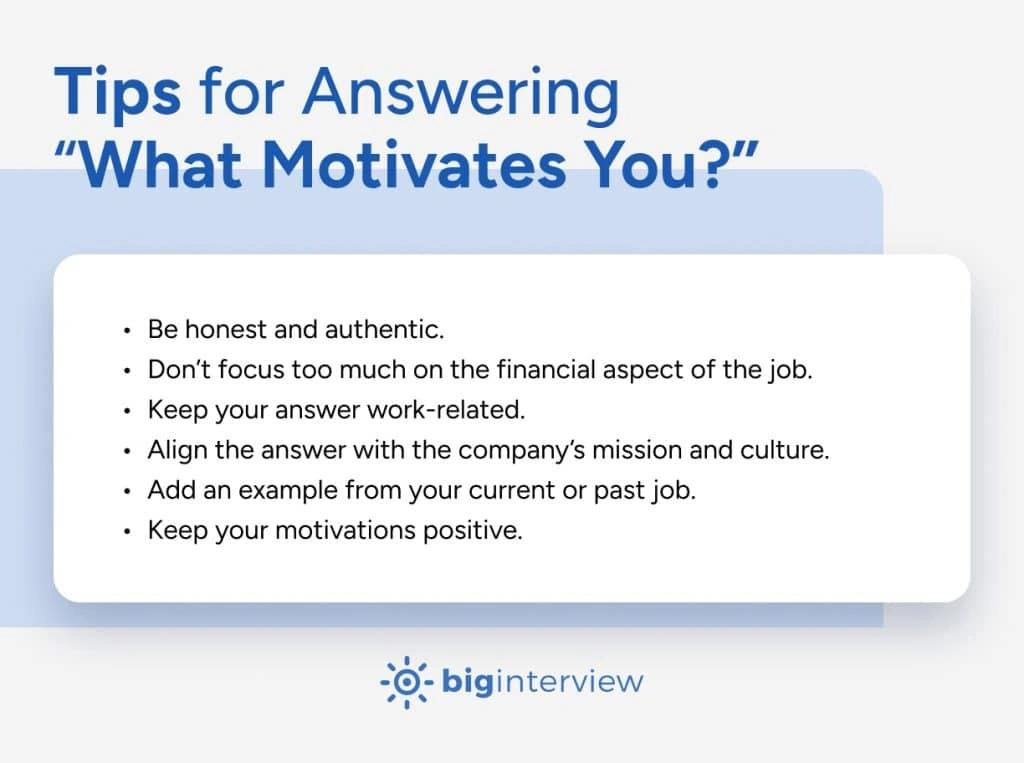
Image Source: Big Interview Resources
Understanding whether a candidate's professional trajectory matches your organization's direction ranks among the most revealing interview questions to ask interviewee candidates. Job candidates whose values and aspirations match organizational goals are less likely to leave. This question to ask an interviewee as an employer uncovers fundamental beliefs and what drives them at work, providing clarity about their commitment over time and potential contributions to your team.
What This Question Reveals
Career arrangement assessment serves multiple strategic purposes beyond surface-level interest. You can see how well a candidate's career aspirations match the position when you evaluate their motivation for the role, what drives them at work, and how the role supports their goals over time. Understanding a candidate's career aspirations over time helps determine if their goals match the opportunities available in your company, revealing their potential for engagement and growth within the organization over time.
This understanding proves pivotal for retention over time and ensuring mutual growth, helping match company objectives with employee aspirations to promote a motivated and committed workforce. Organizations that invest time in understanding career goals make better hiring decisions by selecting candidates whose goals over time match business objectives. Companies also increase job offer acceptance rates when candidates recognize genuine interest in their development and goals over time.
SkillSauce helps standardize career arrangement assessment by providing AI-driven frameworks that evaluate whether candidates demonstrate genuine fit with organizational trajectory across multiple interviewers consistently, ensuring this critical future-oriented evaluation remains objective rather than subjective.
Key Indicators to Look For
Strong candidates express job-related goals covering knowledge or experience gaps, learning about new disciplines, acquiring specific skills, or building a defined career path. To cite an instance, they might explain their desire to gain more experience with particular software, master public-speaking skills, or expand knowledge in complementary areas that improve their primary role. Their responses should demonstrate thoughtful planning about how the current position fits into their broader professional experience.
Realistic aspirations signal maturity and self-awareness. Candidates should assure you this position will be challenging, represents a step up in responsibilities, and fits with their career goals overall. They explain what skills or experiences they're hoping to gain from this role to help them in their broader career aspirations, allowing you to determine if your organization can provide the development opportunities they seek. The best responses reveal understanding of what key milestones or achievements they hope to accomplish over the next five years and how this role matches those goals.
Red Flags to Watch Out For
Candidates who cannot express how this role fits their career plan or provide only vague responses about wanting to "be successful" lack genuine direction. Those who focus on titles or salary without emphasizing personal and professional growth demonstrate mismatched priorities. Unrealistic expectations cause career dissatisfaction, and candidates presenting aspirations too far-fetched from their current skills create future performance challenges.
Watch for those who don't see themselves working in the industry over time, as they may not be the right fit for building sustained value. Candidates who mention intentions of working for another company if this opportunity doesn't work out signal poor commitment and should raise immediate concerns. Short-term thinking without discussing how immediate responsibilities connect to objectives over time indicates they haven't considered their career trajectory seriously.
Follow-Up Questions to Ask
Probe deeper with these top interview questions to ask interviewee candidates. Ask what specific milestones or achievements they hope to accomplish in their career over the next five years to understand their vision over time. Follow with inquiries about what motivates them to pursue this role and how it fits into their career plan overall to evaluate the depth of the arrangement.
Ask what skills or experiences they're hoping to gain from this position, revealing whether their development needs match what you can offer. Request examples of steps they've taken to develop professional skills in the last year to assess their commitment to continuous learning. These best interview questions to ask interviewee candidates, distinguishing those with genuine career intentionality from those seeking any available position.
Can You Share an Example of a Project You Led From Start to Finish?
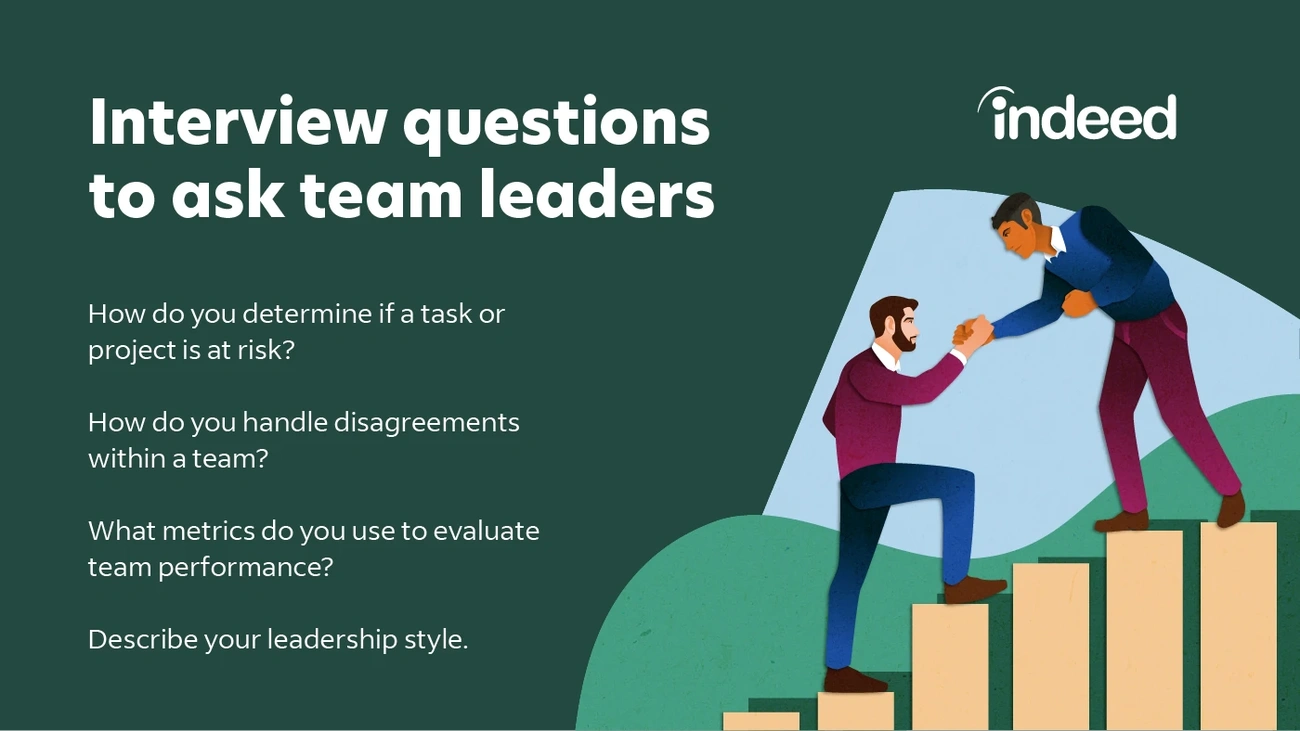
Image Source: Indeed
End-to-end project leadership shows whether candidates possess genuine execution capabilities or simply held titles. This question to ask an interviewee as an employer reveals if the candidate did the work, as they should be able to explain each step and strategy in detail. Someone else in the company made it happen when they can't provide specifics. Leadership roles require candidates who can execute and get hands dirty, not figureheads who need big budgets and talented teams to do the work.
What This Question Reveals
Project leadership assessment uncovers strategic foresight and adaptability. Candidates must show how they led team adoption, restructured workflows, or guided uncertainty from project initiation through completion. Their response showcases leadership under pressure, collaboration skills, and accountability when teams face setbacks.
This interview question to ask interviewee candidates separates project contributors from project managers, and that matters. Candidates who use lifecycle terms rather than project management terminology like scope, budgeting, scheduling, and communication raise immediate concerns. This difference reveals whether they understand management responsibilities versus participant roles.
Indicators to Look For
Strong candidates express specific project details covering overall goals, team size, approach taken, and measurable outcomes. They discuss what went well while acknowledging areas to improve and lessons learned. Metrics that show project results strengthen credibility.
Watch for proper project management language addressing scope definition, budget management, schedule adherence, and stakeholder communication. Complex projects involve schedules with 300 or more activities, not three to four. Candidates should explain strategic importance, how the project lined up with company objectives, and contributions to business growth or operational efficiency.
SkillSauce standardizes project leadership evaluation by providing AI-driven assessment frameworks that ensure each candidate's execution narrative receives consistent measurement against clear criteria, reducing interviewer bias when evaluating complex project details.
Red Flags to Watch Out For
Unrealistic success claims destroy credibility. Every research study shows most important percentages of projects fail, yet candidates claim every project came in on time and under-budget. Blaming bad teams, processes, or sponsors shows poor ownership. Project managers must educate, persuade, and lobby for the right resources to increase success chances.
Candidates who hand off final issues like bugs or integration problems once projects complete show incomplete accountability. Closing projects requires resolving unexpected problems, not abandoning them.
Follow-Up Questions to Ask
Probe execution depth with these good questions to ask interviewee candidates. Request descriptions of specific challenges faced and innovative solutions applied. Ask what they learned from managing the project and how those lessons improved their approach. Follow with inquiries about handling team members who missed deadlines, revealing people management skills.
How Do You Handle Learning New Skills Required for Critical Projects?
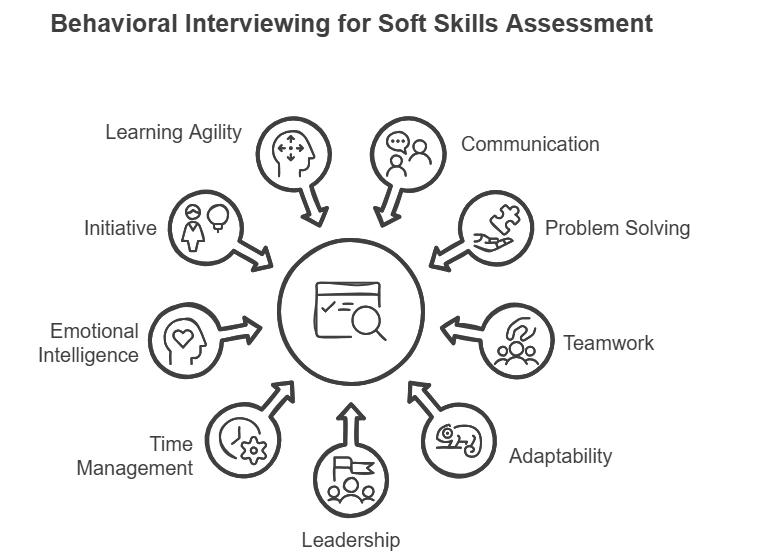
Image Source: X0PA AI
Learning agility separates high performers from average employees in work environments that change faster than ever. Learning ability represents the number one predictor of top performance. This makes the question a vital one to ask an interviewee as an employer when you want to identify candidates who develop continuously rather than stagnate. Skill sets have changed by 25% since 2015, and this requires employees who adopt growth rather than resist it.
What This Question Reveals
This interview question uncovers how candidates identify knowledge gaps and pursue opportunities to acquire new skills that improve performance. Candidates with strong learning abilities show they can make good decisions and develop innovative solutions. They deal confidently with unfamiliar situations and fill leadership roles with ease. Their response reveals whether they seek knowledge on their own or wait for training programs to come to them.
Key Indicators to Look For
Strong candidates express specific learning processes. They describe how they found learning needs, gathered required knowledge and applied it to achieve results. Look for mentions of self-directed initiatives like teaching themselves on the job or seeking feedback from managers.
Adaptability emerges through openness to new ideas and constant feedback-seeking behavior. Candidates who show intellectual curiosity feel motivated when they acquire new knowledge. To cite an instance, they explain breaking complex subjects into manageable components and organizing learning in a systematic way. They maintain motivation when mastering difficult material. SkillSauce standardizes learning agility evaluation through AI-driven frameworks that ensure consistent assessment across interviewers.
Red Flags to Watch Out For
Candidates unable to describe specific learning examples lack genuine growth mindsets. Passive learners wait for formal training rather than pursue self-directed development, and this signals limited initiative. Resistance to unlearning outdated practices indicates inflexibility.
Follow-Up Questions to Ask
Probe deeper with these best interview questions: "How did you identify the skill gap and what specific actions did you take?" Ask about obstacles encountered and methods used to measure progress. Follow with "What resources did you use and how did you apply theoretical knowledge in practice?" These good questions distinguish authentic learners from those who claim adaptability without patterns that show it.
What Would You Do If You Made a Mistake That Could Impact the Team?
Image Source: Metaview
Accountability during mistakes defines professional character more than success stories ever could. This question to ask an interviewee as an employer reviews honesty, trustworthiness, and dependability through their ethical decision-making process. Integrity assessments and personality evaluations go hand in hand, as integrity displays high conscientiousness, which strongly predicts job performance.
What This Question Reveals
A candidate's ethical compass and standards come through when they own their mistakes. Their response shows whether they take responsibility without prompting and disclose errors despite personal cost. They focus on fixing rather than hiding problems. So strong integrity means admitting mistakes without minimizing them. Candidates describe steps to rectify and prevent recurrence. They show understanding of broader effects beyond themselves.
Key Indicators to Look For
Candidates who take full ownership without shifting blame show accountability. Look for specificity in their examples rather than vague generalities. Detailed descriptions indicate authentic experiences. Reflection and learning from mistakes show commitment to growth. SkillSauce standardizes integrity evaluation through AI-driven frameworks and ensures consistent assessment of ethical decision-making among interviewers.
Red Flags to Watch Out For
The victim complex positions candidates as wronged parties in every story. Blame shifters never accept responsibility for negative outcomes. Embellishers change details between tellings. Lack of accountability shows through making excuses and deflecting blame. They fail to take responsibility.
Follow-Up Questions to Ask
Ask how they disclosed the error and to whom. This reveals transparency levels. Probe what they learned and how those lessons shaped future approaches. Request specifics about steps taken to prevent similar mistakes.
7 Essential Interview Questions to Hire Top Talent in 2026
| Interview Question | Main Goal | Key Indicators of Strong Candidates | Red Flags | Follow-Up Questions | Skills Assessed | AI-Driven Support |
|---|---|---|---|---|---|---|
| Tell Me About a Time You Overcame a Major Challenge | Evaluates resilience, adaptability, and real-world problem-solving | Clear structure, real examples, ownership of actions, measurable outcomes, lessons learned | Vague answers, blaming others, no measurable outcome, inability to explain decisions | Why that approach? What alternatives did you consider? What would you do differently? | Problem-solving, resilience, accountability | Standardized scoring across interviews; reduces bias |
| How Do You Prioritize Tasks? | Assesses time management and decision-making | Use of frameworks, structured planning, clear trade-offs, realistic timelines | Poor planning, overcommitment, lack of prioritization logic | How do you handle conflicts? What if priorities change? | Prioritization, organization, adaptability | Consistent evaluation across candidates |
| Describe a Conflict You Resolved | Evaluates communication and emotional intelligence | Balanced perspective, empathy, resolution-focused thinking | Blame shifting, lack of resolution, emotional reactions | What was your role? What would you change? | Communication, empathy, conflict resolution | AI frameworks ensure objective scoring |
| What Are Your Career Goals? | Measures motivation and long-term alignment | Clear progression thinking, alignment with role, realistic ambitions | Generic answers, no direction, mismatch with role | How does this role fit your plan? | Self-awareness, motivation | Standardized career-fit evaluation |
| Project You Led From Start to Finish | Assesses ownership and execution | Clear planning, execution detail, measurable outcomes | No ownership, vague steps, no results | Biggest challenge? What did you learn? | Leadership, execution, accountability | Consistent leadership evaluation |
| How Do You Learn New Skills? | Evaluates learning agility | Structured approach, self-driven learning, practical application | No clear method, passive learning | How do you measure progress? | Adaptability, growth mindset | Learning agility frameworks |
| Tell Me About a Mistake | Assesses accountability and integrity | Ownership, reflection, corrective action | Excuses, blame shifting, no learning | What did you change after? | Integrity, accountability | Ethical decision scoring |
Note: According to the article, 75% of recruiters feel behavioral questions help determine a candidate's performance. Half of all employees said their interviewer could make or break whether they accept a job offer. These seven questions are designed to show critical insights about problem-solving abilities, leadership potential and cultural fit. They help you make confident, data-driven hiring decisions in 2026.
Conclusion
These seven questions will help you identify candidates who bring genuine problem-solving abilities, adaptability, and cultural alignment to your team. Conducting interviews that give you the full picture takes time. But asking the right questions saves you from mis-hires that get pricey down the road.
Start by selecting three questions most relevant to your role. Then expand your approach as you refine your evaluation process. Tools like SkillSauce can standardize your assessment framework and ensure consistent evaluation among interviewers while reducing bias.
Evidence-based hiring decisions stem from asking questions that reveal how candidates think and work together rather than what they've rehearsed.
Key Takeaways
These seven strategic interview questions help identify top talent by revealing genuine problem-solving abilities, leadership potential, and cultural fit rather than rehearsed responses.
- Focus on behavioral questions that reveal character: Ask about overcoming challenges, handling disagreements, and managing mistakes to assess resilience, emotional intelligence, and accountability under pressure.
- Evaluate prioritization and learning agility: Questions about managing multiple deadlines and acquiring new skills separate high performers from average employees in rapidly changing work environments.
- Assess career alignment and project leadership: Understanding candidates' long-term goals and end-to-end project experience reveals commitment levels and genuine execution capabilities versus title-holding.
- Use structured follow-up questions to validate responses: Probe deeper with specific questions about decision-making processes, alternative approaches, and lessons learned to distinguish authentic experiences from rehearsed narratives.
- Standardize evaluation with AI-driven frameworks: Tools like SkillSauce help reduce interviewer bias and ensure consistent assessment criteria across multiple interviewers for objective hiring decisions.
The most revealing interview insights come from understanding how candidates think, adapt, and collaborate when facing real workplace challenges, not from what they've memorized about your company.
FAQs
The most effective interview questions focus on behavioral scenarios that reveal problem-solving, adaptability, and interpersonal skills. Questions around challenges, priorities, conflicts, and leadership provide deeper insights than generic questions.
The 5 P's include Preparation, Purpose, Probing, Professionalism, and Post-Interview. Together, they ensure structured, effective, and fair interview processes.
Prepare by researching the company, practicing responses, bringing resume copies, and aligning your experience with the role while being ready to discuss both successes and challenges.
Behavioral questions assess real past actions, making them stronger predictors of future performance compared to hypothetical or generic questions.
Use structured interviews, standardized evaluation criteria, and consistent follow-ups to ensure fairness and reduce bias across all candidates.