
Introduction
You might be surprised to learn that more than 70% of SaaS companies want to grow their teams, which makes talent acquisition a tough and high-stakes game.
The race to grab top talent is intense, and mistakes can get pricey. The U.S. Department of Labour states that a wrong hire can cost up to 30% of an employee's yearly salary. Your talent acquisition team has to sift through hundreds of applications - out of every 100 they look at, maybe 10 candidates actually fit the bill.
Modern companies don't deal very well with huge candidate pools, which makes talent acquisition really tricky. Most talent acquisition specialists feel swamped, especially when old-school recruiting just doesn't help them spot the difference between good and not-so-good applicants.
Here's something worth noting about recruitment versus talent acquisition. Recruitment just fills open positions, while complete talent acquisition looks at the whole hiring journey - this is where pre-employment testing really shines.
Pre-employment testing could mean the difference between landing a star employee or ending up with someone who might hurt your company. Bias plays a big role too - 48% of HR managers say it affects how they pick candidates.
In this piece, we'll show you how pre-hire tests can revolutionize your talent acquisition process. These tests help you find people who'll actually succeed in your SaaS environment. After all, hiring based on skills predicts job performance five times better than hiring based on education. Let's tuck in!
Why SaaS Hiring Is So Difficult Today

Image Source: HRTech Series
The SaaS industry faces tough talent acquisition challenges in 2025. Around 30,000 SaaS companies operate worldwide—with the US hosting 60% of them. This has made the hiring landscape complex.
Fast growth and pressure to scale
SaaS companies don't grow their teams steadily. They experience sudden hiring bursts after funding rounds or regional expansions. These surges put heavy pressure on internal teams. The market has become fiercely competitive as businesses chase the same talent.
Global SaaS revenue could hit INR 17,551.13 billion by 2023. The stakes are high. In spite of that, this growth creates intense hiring pressure. Teams must adapt to changing demands while keeping their standards high.
Specialized roles with niche skills
Companies struggle to find candidates who blend technical expertise with industry knowledge and people skills. New technologies keep emerging. Required skillsets evolve constantly. Hiring managers find it hard to spot candidates with current capabilities.
The skills gap shows up clearly in newer fields—75% of SaaS firms can't find qualified AI and data science talent. More than that, LinkedIn data shows 70% of SaaS companies struggle to fill positions. Engineering and sales roles prove toughest to fill. The talent pool hasn't grown enough to match industry needs.
Remote teams and global hiring challenges
About 60% of SaaS companies work fully or partly remote. This creates new hurdles for hiring teams. Remote work opens doors to global talent but brings its own challenges:
- Culture fit matters as much as technical skills
- Different time zones slow down feedback and coordination
- International hiring brings legal issues around data security and IP protection
Remote hiring makes it harder to see the complete picture of candidates beyond their resumes. Teams can't easily judge communication styles or performance potential. Building strong distributed teams needs special hiring approaches.
Overloaded talent acquisition teams
Hiring teams often get swamped during busy periods. They must fill roles, run attraction programs, manage selection panels, and handle onboarding. Limited resources lead to serious issues:
- Key positions stay open longer, and good candidates lose interest
- Empty positions slow down work and hurt revenue
- Teams can't focus on improving candidate experience
Most internal teams can handle normal workloads but not peak demands. They end up "drowning in reqs during spikes or sitting idle during slow times". Quality suffers as teams rush to fill seats.
These layered challenges show why old hiring methods don't work well for SaaS companies. The situation calls for better, informed solutions.
Struggling to Hire the Right SaaS Talent?
Start using role-specific assessments to filter top performers from the start.
Talk to Our TeamWhere the SaaS Hiring Process Breaks Down
Even the best talent acquisition process hits roadblocks. Your talent acquisition team might have the right tools and size, but certain issues keep popping up that hurt hiring success in SaaS companies.
Resume overload and irrelevant applications
The digital age brings a tough challenge: only 10 out of every 100 applications match the job requirements. Talent acquisition specialists waste countless hours sorting through unqualified or inflated resumes. Research shows that recruiters need about 23 hours to screen resumes for just one hire, while 75% of applications never get a proper look because there are just too many.
This creates several problems:
- Teams spend over 30 hours each week on simple screening
- Great candidates get buried in the pile
- Rushed reviews lead to more biased decisions
- Jobs take longer to fill
Inconsistent technical screening
Each candidate might face completely different standards based on who does their assessment. One report puts it well: "One engineer might quiz a candidate on algorithms, while another focuses on code readability". This uneven approach means talented people might miss out just because of who happened to interview them.
This issue goes beyond tech roles. Without clear standards, hiring becomes a matter of opinion throughout the company. Some interviewers look for confidence, others for team chemistry. The result? Decisions end up based on personal likes rather than actual job needs.
Delays in interview scheduling
Interview coordination often becomes the biggest roadblock in getting new talent. Numbers tell the story - 42% of candidates walk away when scheduling drags on. Time zones, busy calendars, and complex scheduling systems all play their part in these holdups.
The old email back-and-forth eats up time that could go into building relationships with candidates or moving important projects forward. SaaS companies feel this pain even more with teams spread across different time zones.
Overreliance on gut feeling
Hiring managers often say "I just know when I've met the right person". Yet research spanning 100 years shows gut feelings rarely predict how well someone will actually do their job. This instinct-based hiring adds bias and unpredictability to the talent acquisition process.
The biggest worry? This approach hurts diversity efforts and leads to mixed results. Companies end up hiring people who feel familiar rather than those who would excel at the job. Early-stage SaaS startups face this issue more often, as they tend to focus on "culture fit" instead of clear requirements.
These core issues show why old-school hiring methods don't cut it in today's SaaS world. The good news? We can fix these problems with better assessment methods.
How Pre-Hire Tests Solve These Problems
Pre-hire assessments offer a powerful solution to overcome talent acquisition obstacles. Companies that use these tools reduce hiring errors by 30% and speed up their hiring process by 30-50%.
Filter unqualified candidates early
Pre-employment tests create an effective barrier that helps identify serious applicants at the start of your hiring funnel. A short, relevant assessment early in the process brings multiple benefits:
- Unqualified applicants either drop out or get filtered based on results
- Your talent acquisition specialists can concentrate on top performers
- Automated screening eliminates 72% of applications containing exaggerated credentials
This early filtering substantially cuts down time spent reading resumes and conducting preliminary interviews. The solution addresses the resume overload problem that most SaaS companies face.
Standardize evaluations across teams
The talent acquisition process needs consistency. Pre-hire platforms provide fine-tuned tests that assess skills uniformly across all candidates. Teams can apply concrete results consistently, whatever team member conducts the assessment.
Standardized testing creates a level playing field. Candidates receive fair evaluation based on identical criteria. Distributed SaaS teams hiring in multiple locations find this standardization especially valuable.
Speed up the hiring timeline
Companies can often skip redundant interview rounds with upfront assessment. High-scoring candidates might advance directly to final interviews, cutting the hiring timeline by up to 50%. Top talent often drops out when scheduling drags on, so this acceleration helps secure great candidates before competitors do.
Pre-employment testing streamlines recruitment by spotting qualified candidates early. This allows talent acquisition teams to move quickly with their strongest prospects.
Support data-driven decisions
Test results provide objective metrics that add value to interview impressions without replacing them. Traditional methods heavily rely on subjective judgment, but pre-hire assessments generate measurable data about candidates' abilities.
Hiring teams can make evidence-based decisions instead of relying on gut feeling. Work sample tests and mental ability assessments predict job performance better than resumes and interviews. This approach substantially improves hiring quality.
The difference between recruitment and talent acquisition becomes clear. Recruitment focuses on filling immediate needs, while detailed talent acquisition uses analytical tools like pre-hire testing to build stronger teams systematically and objectively.
Types of Pre-Hire Tests That Work for SaaS
Choosing the right pre-hire tests plays a vital role in talent acquisition success for SaaS companies. Each role needs specific assessments that measure capabilities and predict how well someone will perform on the job.
Technical skills tests for engineers and QA
Technical assessments have grown beyond simple coding puzzles. Modern platforms now reflect real SaaS development environments and offer:
- Multi-file projects with dependencies and test suites that show real coding skills
- Sandboxed environments that mirror production settings
- Tests featuring frameworks and tools developers use every day
These detailed evaluations help you find candidates with real-world skills instead of just theoretical knowledge. SaaS companies that use specialized technical assessments see 50% faster hiring and 63% better hire quality compared to standard coding tests.
Cognitive ability tests for analytical roles
Cognitive assessments measure a candidate's information processing, learning speed, and problem-solving skills. These qualities directly link to job performance. The tests review:
- Logical reasoning and critical thinking
- Numerical aptitude and data interpretation
- Problem-solving with time limits
Research confirms cognitive ability tests predict future job success better than other methods. SaaS teams use these assessments to find promising candidates who adapt quickly to changing product needs and market conditions.
Role simulations for product and marketing
Role simulations put candidates in real job scenarios to see how they would handle specific SaaS positions. These tests go beyond theory and check practical skills through tasks like:
- Creating product launch emails
- Planning marketing campaigns
- Analyzing product requirements
These simulations give talent acquisition specialists a clear view of how candidates make decisions and apply their skills. They work especially well when you have to evaluate product managers and marketers.
Soft skills and culture fit assessments
Technical skills matter, but soft skills often determine long-term success in collaborative SaaS environments. These assessments look at:
- Communication and collaboration skills
- Adaptability and emotional intelligence
- How well candidates match company values
The talent acquisition process benefits from these reviews. They help find candidates who excel in cross-functional teams—a must-have for remote or distributed workforces.
Situational judgment tests for sales and support
Situational judgment tests (SJTs) present real-world scenarios to test decision-making abilities. For SaaS sales and support roles, these tests look at:
- Objection handling and negotiation skills
- Customer-centric thinking
- How well people adapt to unexpected situations
Companies using sales-specific SJTs report 30% better conversion rates from new hires who show stronger negotiation skills. This makes them valuable tools for any talent acquisition team building customer-facing departments.
The difference between recruitment and talent acquisition becomes clear when teams use these specialized assessments. The focus shifts from filling positions to building high-performing teams strategically.
How to Integrate Pre-Hire Testing into Your Talent Acquisition Process
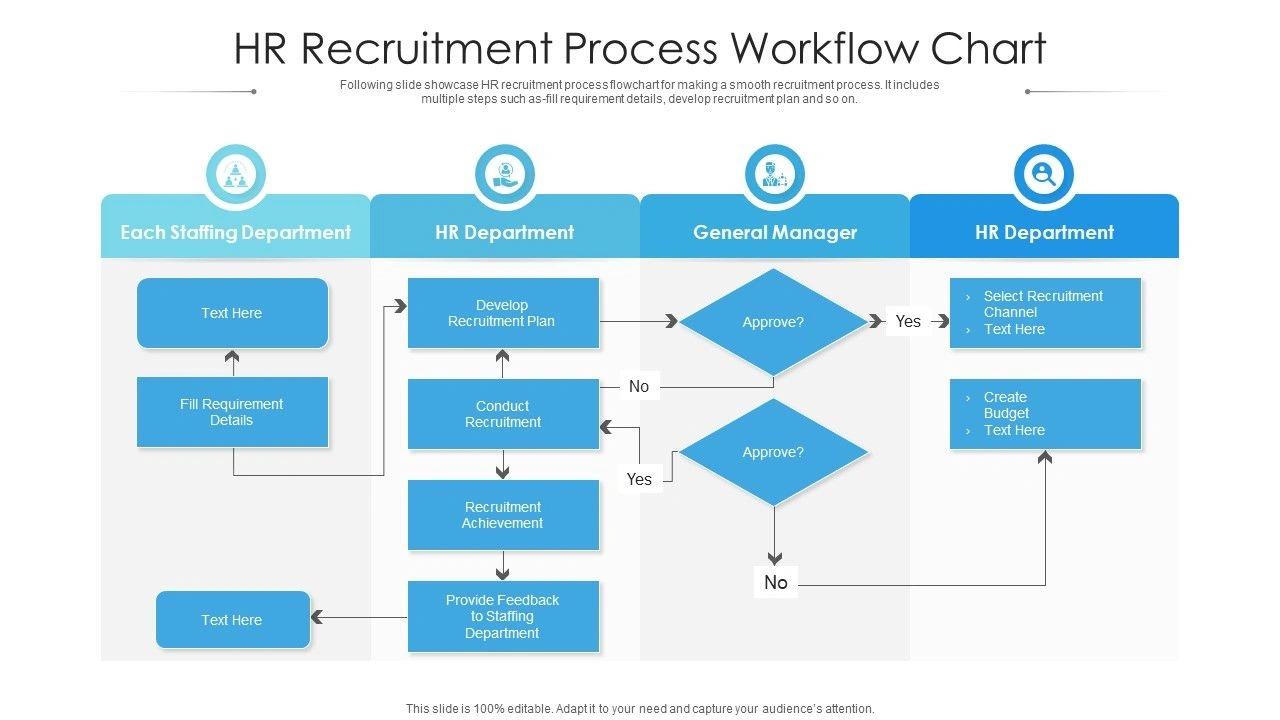
Image Source: SlideTeam
Adding pre-hire tests to your talent acquisition process requires proper setup. Research shows 82% of companies use some type of pre-hire assessment test. The way organizations set up these tools makes a real difference in their effectiveness.
Define success criteria with hiring managers
Note that you should line up with hiring managers to identify must-have technical and behavioral skills for each role. This clarity helps you pick the right tests and keeps the hiring process focused on meaningful criteria rather than vague subjective factors. Your first step should be defining what success looks like in the position.
Choose or customize the right test
The next step involves picking tests that match the position's responsibilities. Look for platforms that offer detailed skills libraries covering domains of all types. These platforms should also let you customize assessments for specific roles. Your tests should be job-specific, reasonably timed, and checked to avoid bias.
Automate test invites via your ATS
The best approach is connecting your testing platform with your Applicant Tracking System. This sends test invitations automatically when candidates apply. Your team saves time on manual work and speeds up evaluation. Every applicant gets a similar initial assessment. Most platforms connect directly to ATS systems and can mark invited candidates with tags that make tracking easier.
Use test data to guide structured interviews
Test results should guide your interview process. Your conversations can focus on confirming strengths and learning about areas where candidates scored lower. This method blends objectivity with human judgment and creates better, faster hiring outcomes.
Conclusion
Pre-hire testing helps SaaS companies solve their complex talent acquisition challenges. Teams can better identify, assess, and hire qualified candidates while removing common hiring roadblocks through these assessments.
The data shows how structured pre-employment testing leads to fewer hiring mistakes and faster recruitment cycles. It gives hiring managers concrete metrics to base their decisions on. This method helps teams handle large application volumes and create standard evaluations that work well for remote teams.
Companies that use these tools see better results in both speed and quality of their hires. A well-planned assessment strategy helps filter out unqualified candidates early and creates consistent standards. It also reduces the time needed to fill positions. The process provides valuable data points that work alongside interview feedback without replacing human insight.
Test selection based on job requirements plays a vital role in success. Engineering roles benefit from technical assessments, while cognitive tests help spot analytical talent. Product and marketing candidates can showcase their skills through role simulations. Soft skills assessments make sure candidates fit the company culture.
The way you implement these tests matters as much as picking the right ones. You need clear success metrics, relevant assessments, and automated ATS invitations. Using the results to guide structured interviews creates a system that works.
SaaS companies need modern talent acquisition strategies to handle today's hiring challenges. Pre-hire testing gives teams a practical, proven way to build stronger, more diverse teams. This turns talent acquisition from a bottleneck into a competitive edge for growing SaaS organizations.
Ready to Build a High-Performing SaaS Team?
Explore SkillSauce’s pre-hire testing to make hiring faster, fairer, and more accurate.
Browse Assessment LibraryKey Takeaways
SaaS companies face unique hiring challenges that traditional recruitment methods can't solve effectively. Pre-hire testing offers a data-driven solution to transform your talent acquisition process and build stronger teams.
- Filter early to focus better: Pre-hire tests eliminate 72% of unqualified candidates upfront, letting your team focus on top performers instead of drowning in irrelevant applications.
- Standardize evaluations across teams: Consistent testing criteria ensure fair candidate assessment regardless of who conducts the evaluation, reducing bias and improving hiring quality.
- Speed up hiring by 30-50%: Automated screening and early filtering help qualified candidates skip redundant interview rounds, securing top talent before competitors.
- Choose role-specific assessments: Technical tests for engineers, cognitive assessments for analysts, and situational judgment tests for sales roles predict job performance better than resumes alone.
- Integrate with your existing ATS: Automate test invitations and use results to guide structured interviews, combining objective data with human judgment for optimal hiring decisions.
When implemented correctly, pre-hire testing transforms talent acquisition from a time-consuming bottleneck into a strategic advantage that helps SaaS companies scale efficiently while maintaining hiring quality.