
Introduction
Technical assessment tools have transformed the way companies spot top talent. Platforms like Sherlock achieve 92% accuracy and perform better than traditional proctoring methods in online assessments, exams, and interviews. Companies that match technical talent with their objectives gain a real edge in today's market.
A technical assessment test means much more than just another step in hiring. These technical skills assessments work as neutral, impartial funnels that assess candidates purely on their abilities. HR leaders are making big moves - 23% have already dropped degree requirements to focus on skills-based hiring, while 39% are looking into this approach. Technical competency assessment has become crucial to modern recruitment.
We've tracked these changes closely and put together everything about technical assessments you'll need as your go-to hiring tool for 2026. This piece covers their definition, benefits, implementation, and shows you how they boost your hiring results.
What is a technical assessment test?
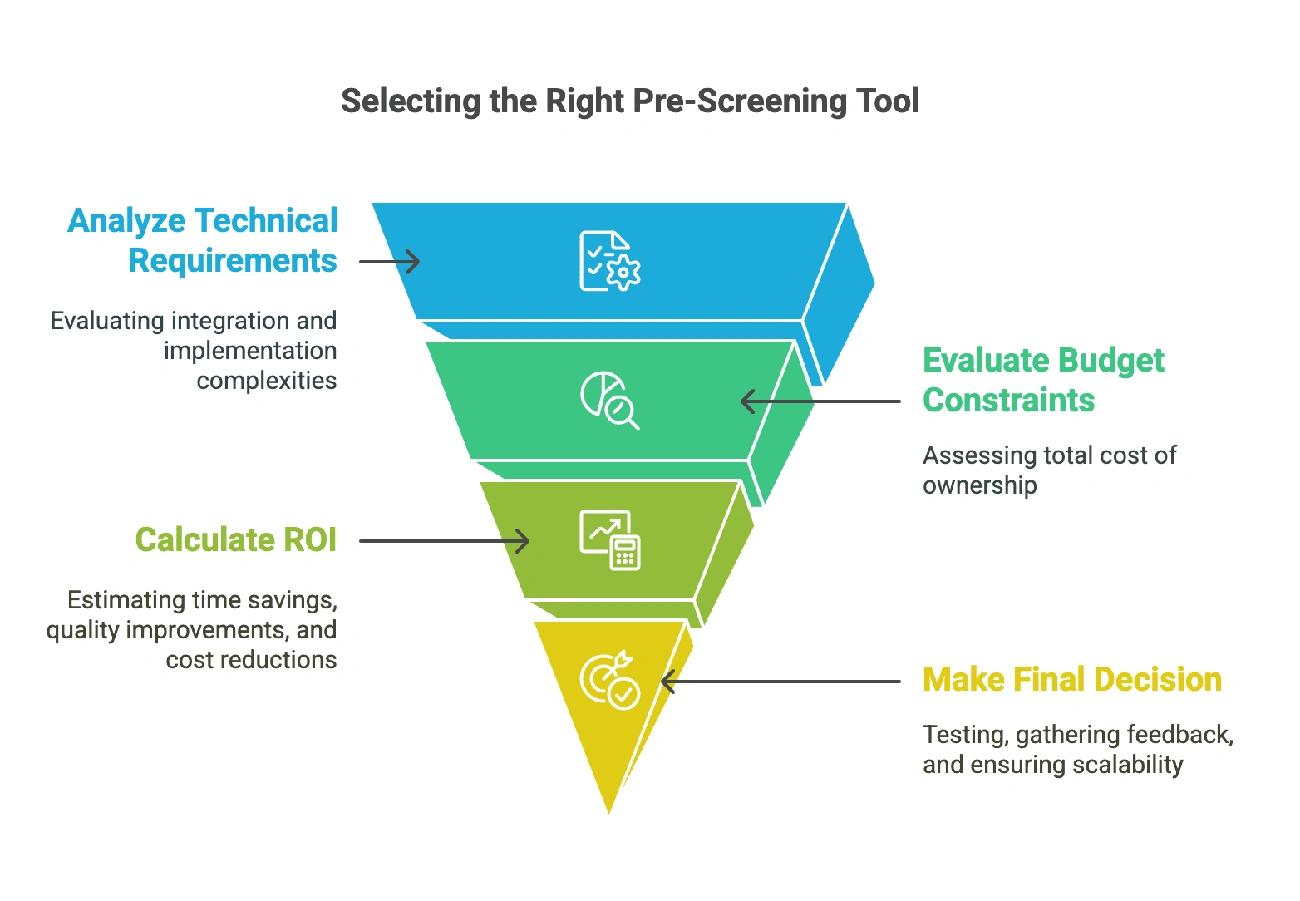
Image Source: Hirevire
Technical assessments help measure a candidate's practical skills, problem-solving abilities, and job-specific competencies before hiring decisions. These assessments offer solid proof of how well candidates can handle actual job tasks, unlike resumes or casual conversations.
Definition and purpose in hiring
A technical assessment test does more than just check theoretical knowledge. These tests give recruiters an unbiased way to match candidates' resume claims with their real-life abilities. They work as effective filters to spot qualified candidates early, which saves time and money.
Research proves that technical skills assessment tests cut turnover rates by 39%. The likelihood of employees performing beyond expectations increases by 24%. These numbers explain why companies now rely on these tests to make smart hiring choices.
My experience shows these assessments have grown from basic screening tools into detailed evaluation systems. They provide measurable evidence of whether candidates fit specific roles. You could say they're the perfect way to verify skills that are hard to check otherwise.
Types of technical assessments used today
Today's technical assessment methods test different aspects of technical skills:
- Coding Challenges: These test programming skills, logical thinking, and problem-solving in Python, Java, and JavaScript
- Project-Based Assessments: Candidates tackle mini-projects that mirror real-life scenarios to show their approach, code quality, and creativity
- System Design Exercises: Candidates demonstrate their ability to design expandable and efficient systems while explaining their choices
- Technical Knowledge Tests: Multiple-choice questions check theoretical understanding of specific domains
- Whiteboard Interviews: These sessions reveal how candidates think and communicate while solving problems
Companies often mix several assessment types to get a full picture of a candidate's abilities. Each type serves its own purpose based on what the role needs.
How they differ from traditional interviews
Traditional interviews depend on conversations and often reflect personal biases. Technical competency assessment provides measured results that reduce these biases.
Research shows that 75% of hires based only on traditional methods turn out wrong. Technical assessments fix this by focusing on actual skills rather than personality or interview performance.
Key differences stand out:
- Objectivity: Numbers and data replace gut feelings
- Skill Verification: Direct testing beats taking resume claims at face value
- Predictive Value: Good technical tests associate strongly with job success
- Standardization: Every candidate faces identical challenges
- Problem-Solving Focus: Tests show candidates' approach to challenges, not just their knowledge
Technical interviews now focus on finding skill gaps through hands-on coding challenges instead of theory discussions. This represents a fundamental change in technical talent evaluation.
Top benefits of using technical assessments in hiring
Technical assessments in your hiring process bring real advantages that boost your bottom line. Let's take a closer look at why these well-laid-out evaluations have become vital for companies that look ahead.
Objective evaluation of skills
Technical assessment tests give you analytical insights into a candidate's capabilities without bias. Traditional interviews can be swayed by charisma or first impressions. Well-designed assessments focus on relevant skills that matter. This creates a standard way to measure what counts most—job performance.
Companies that hire based on skills report that candidates who do well in assessments excel at their jobs. These standard evaluations verify skills that people claim on resumes. This means new hires can deliver results right away.
Most importantly, objective technical competency assessment helps companies choose talent based on merit rather than gut feel. This leads to better hires who can prove their worth.
Faster screening and shortlisting
Today's competitive talent market makes quick hiring crucial. Technical assessment platforms speed up recruitment by filtering out unqualified applicants. This lets hiring teams zero in on promising candidates.
The results speak for themselves—companies using these tools have cut their time-to-hire by up to 30%. Some have shortened their early-career hiring from four months to just weeks. Note that this speed doesn't compromise quality. It helps spot real talent faster.
Candidates benefit too. They spend less time waiting, with 67% of hiring managers saying AI-driven assessment saves the most time in recruitment.
Reduced hiring bias
Traditional hiring often struggles with unconscious bias. Technical assessment questions solve this by measuring skills rather than looking at appearance or background.
Studies show 43% of employers believe AI-powered assessments cut down unconscious bias in hiring choices. Technical skills assessments use similar criteria for all applicants. Requirements stay consistent throughout the evaluation.
These structured assessments keep personal priorities from clouding decisions. Hiring choices ended up based on proven skills instead of gut feelings. This creates an inclusive workplace where talent matters more than demographics.
Improved candidate experience
In stark comparison to what some might think, well-crafted technical assessments improve the candidate experience. A proper setup shows candidates that you value fair hiring decisions.
Candidates trust this approach—96% of people who begin a well-designed technical test finish it. This high completion rate shows that job seekers welcome the chance to showcase their abilities in a clear format.
The technical assessment meaning stretches beyond evaluation. It gives candidates a real taste of the job and helps them see if the role matches their strengths. This clarity promotes better fit between what candidates expect and what the job offers.
Quick feedback after assessments—even to unsuccessful candidates—shows you respect their effort. This builds a positive impression no matter the outcome. Your employer brand grows stronger with each interaction.
How technical assessments improve hiring accuracy
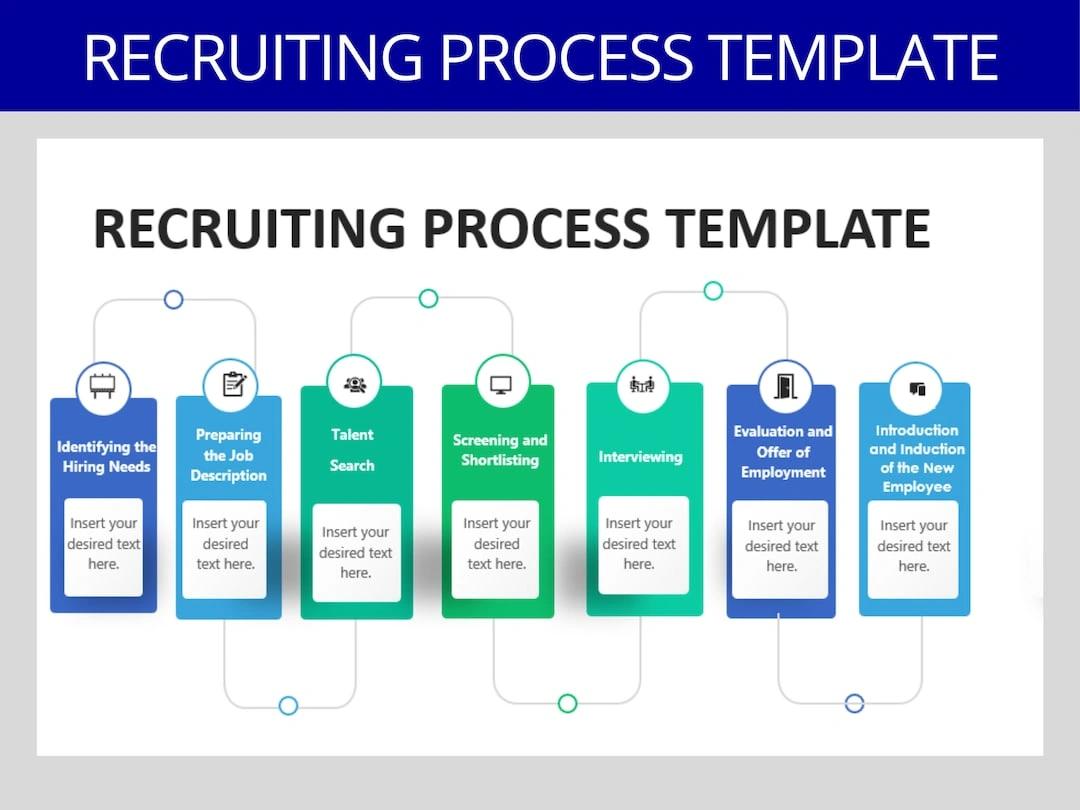
Image Source: Etsy
"Pre-employment assessments evaluate real-world skills and behaviors, helping recruiters avoid reliance on claims. By testing ability, cultural fit, and integrity, they significantly reduce the risk of costly hiring mistakes." — Tekstac, AI-powered recruitment assessment platform
Technical assessment tests give us a vital look at what candidates can actually do, beyond their resumes and interviews. Studies show that work sample tests help predict how well a candidate will work on the job.
Ground problem solving over resumes
Traditional hiring methods often miss the mark. They focus too much on what candidates say instead of what they can do. Technical assessments bridge this gap. Candidates must show their skills through practical challenges.
The quickest way to conduct technical interviews is through ground scenarios. Candidates solve software errors, fix data issues, and make systems run better. These exercises show how candidates tackle problems—something you'll never learn from a resume.
Great candidates stand out by their approach to problems, not just solutions. Industry experts say, "The best engineers aren't just problem solvers, they're problem framers. In the real world, the biggest failures don't normally come from bad code, they come from solving the wrong problem".
Role-specific technical assessment questions
Generic tests don't tell us much about candidate skills. Technical assessment questions should match the daily challenges of specific jobs. Case studies and role-specific simulations let companies see how candidates think, communicate, and solve problems they'll face at work.
Software developers might fix bugs or make algorithms better. Network engineers could set up virtual environments, while data analysts might find patterns in sample datasets. This custom approach lines up the test with actual job needs and gives better results.
Data-driven decision making
Companies that use technical skills assessment get solid numbers that turn hiring from guesswork into science. Research shows that predictive analytics models can cut employee turnover rates by half when they work well.
The data benefits include:
- Industry standard measurements
- Links between test scores and job success
- Better hiring process through result tracking
- Scientific predictions of how candidates will perform
Numbers don't lie. They remove guesswork and bias, so hiring decisions come from proven skills rather than gut feelings. A talent assessment platform explains that their advanced technical screening tools "move assessment beyond superficial interviews by generating tangible data points on a candidate's actual aptitude and problem-solving methodology".
The technical assessment meaning goes beyond just screening candidates. These tests are the foundations of fact-based hiring that makes the workforce better over time.
Using assessments to reduce turnover and boost retention
Technical assessment data creates lasting value beyond smart hiring practices throughout the employee lifecycle. Companies that systematically assess skills are 50% more likely to retain their employees and keep stable teams.
Better job-role alignment
Skills alignment plays a crucial role in employee success. Job satisfaction increases dramatically when technical skills assessment data helps match employees with roles that tap into their natural strengths. Companies using effective technical assessments see retention rates improve by up to 20%. Some studies even show improvements reaching 40%.
Skills mismatches lead to employee burnout. Employees who lack essential abilities to meet job demands become disengaged. In stark comparison to this, assignments that line up with skills show employees their path to excellence and growth opportunities. This creates a powerful sense of progress that keeps them engaged.
Predicting long-term performance
Companies can use technical assessment tests to predict candidate longevity. Assessment data helps forecast:
- Role-specific performance based on skills and behavioral traits
- Cultural fit through personality and values alignment
- Potential disengagement signals before employees leave
Psychometric assessments measure cognitive ability, personality fit, emotional intelligence, and motivation. These assessments add predictive validity to retention strategies. Combined with technical competency data, this information helps identify candidates who will succeed long-term.
Improving onboarding with assessment insights
SHRM research shows that new employees stay three-plus years at companies with well-laid-out onboarding processes 70% more often. Technical assessment meaning goes beyond hiring—it helps create tailored onboarding experiences.
Managers can customize onboarding approaches based on communication priorities and learning styles using assessment data before a new hire's first day. Organizations that implement complete assessment strategies see 36% lower turnover rates. Their new employees also receive 24% higher performance ratings.
Only 12% of employees strongly believe their organization excels at onboarding new team members. This makes technical assessment questions a powerful tool to customize onboarding—an untapped chance for most companies.

Ready to Simplify Your Hiring?
See how SkillSauce helps you hire faster with accurate skills assessments.
Book a DemoBest practices for implementing technical skills assessments
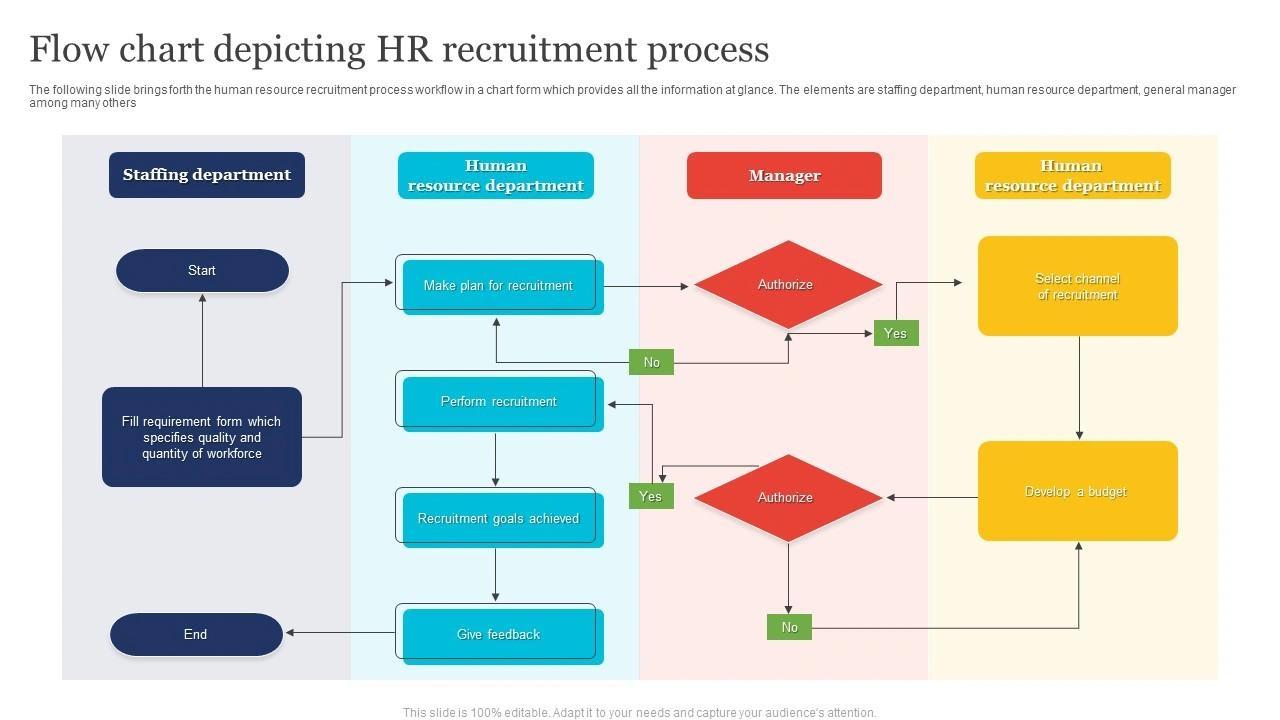
Image Source: SlideTeam
"In 2026, the strongest platforms combine validated science, practical skills testing, and AI-assisted workflows that fit seamlessly into your ATS and interview stack." — Recruiters Lineup, Recruitment industry analysis platform
Organizations need strategic planning and attention to detail to implement technical assessments properly. Companies that become skilled at this process create hiring practices that are more accurate, fair and quick.
Customizing tests for each role
A complete job analysis forms the foundation of role-specific technical skills assessment. You should identify the core competencies and skills needed for each position instead of using generic evaluations. Generic CS 101 questions rarely show if a candidate will succeed in your specific environment.
Subject matter experts can help design assessments that mirror the daily challenges candidates will face. Companies like IBM show this approach when they create customized situational judgment tests for leadership roles.
Combining assessments with interviews
The best hiring processes blend technical assessment tests with well-laid-out interviews. Teams should follow up on at-home technical challenges during interviews. This helps verify candidates actually completed the work themselves.
Technical interviews work alongside behavioral assessments to review both capabilities and cultural fit. This balanced method answers critical questions: Can this person do the job? Will they thrive in our environment? How do they handle challenges and feedback?
Ensuring fairness and accessibility
Technical assessment meaning stays valid when teams address accessibility early. The process has accommodations like adjustable test durations, screen reader support, and keyboard navigation options.
Teams should use blind assessment techniques that focus only on skills to prevent unconscious bias. Organizations using this approach see up to 30% increases in candidate diversity. On top of that, they maintain clear communication about assessment details, including purpose, format, and evaluation criteria.
Using platforms with strong proctoring and analytics
Secure testing environments are essential for reliable technical assessment questions. Look for platforms that offer:
- AI-based proctoring with face tracking and behavior monitoring
- Plagiarism detection to identify similar code among candidates
- Detailed analytics that provide structured, comparable data about capabilities
- Cloud-based integrated development environments reflecting actual work tools
Companies that follow these practices consistently report higher quality hires, improved diversity, and fewer mis-hires.
Conclusion
Technical assessment tests have become vital tools in modern hiring. This piece shows how these evaluations offer an objective measure of candidates' abilities that's way beyond the reach and influence of traditional interviews. Of course, the impressive 92% accuracy rate makes a strong case against conventional hiring methods.
These assessments turn hiring from subjective judgment into evidence-based decision making. Companies reduce bias and create inclusive environments where talent matters more than demographics. On top of that, it substantially cuts time-to-hire by up to 30% without compromising quality – it actually boosts it by quickly spotting genuine talent.
The benefits of technical assessments extend well beyond finding better candidates. A proper job-role lineup guides to retention improvements of up to 40% because employees work in positions that use their natural strengths. The assessment data helps create tailored onboarding that makes new hires 70% more likely to stay for three-plus years.
Setting up technical assessments needs careful planning, but the return on investment speaks volumes. Companies that tailor tests to specific roles, pair assessments with structured interviews, keep them accessible, and run secure platforms consistently find better hires with fewer mistakes.
The year 2026 will see technical assessment tests become the norm, not just an option for companies serious about building high-performing teams. The proof stands strong: organizations that welcome skills-based hiring through thorough technical assessments gain a real edge in attracting, selecting, and keeping top talent.
Explore Our Assessment Library
Browse ready-to-use tests for tech, product, sales, and more.
View TestsKey Takeaways
Technical assessment tests have emerged as the most reliable hiring tool, offering 92% accuracy compared to traditional methods and transforming recruitment into a data-driven process that benefits both employers and candidates.
- Technical assessments provide objective, bias-free evaluation - They focus purely on measurable skills rather than subjective impressions, creating standardized criteria that reduce unconscious bias by up to 43%.
- Speed up hiring while improving quality - Organizations report 30% faster time-to-hire and 24% higher performance ratings among new employees through efficient candidate screening.
- Dramatically reduce turnover and boost retention - Proper skills-job alignment through assessments leads to 40% better retention rates and 39% lower turnover compared to traditional hiring methods.
- Customize assessments for maximum predictive power - Role-specific technical challenges that mirror real-world problems provide far better insights than generic tests or resume reviews.
- Combine assessments with structured interviews for best results - The strongest hiring processes blend technical evaluations with behavioral interviews to assess both capabilities and cultural fit.
The shift toward skills-based hiring is accelerating, with 62% of HR leaders either formally de-emphasizing degrees or exploring this direction. Companies that implement comprehensive technical assessment strategies position themselves to attract, evaluate, and retain top talent more effectively than competitors relying on outdated hiring methods.
Technical Assessment FAQs
What is the main purpose of a technical assessment test in hiring?
Technical assessment tests objectively evaluate a candidate’s practical skills and job-specific competencies. They provide concrete evidence of the candidate’s ability to perform real job tasks, going beyond what’s written in a resume.
How do technical assessments improve hiring accuracy?
They enhance hiring accuracy by emphasizing real-world problem-solving instead of resume claims. Their measurable, standardized results reduce subjective bias and strongly predict job performance.
What are the key benefits of using technical assessments in hiring?
Benefits include objective skill evaluation, faster screening, reduced hiring bias, improved candidate experience, and stronger data-driven decisions. They also improve job-role alignment.
How can technical assessments help reduce employee turnover?
They ensure better job-role alignment, predict long-term performance, and support personalized onboarding. Companies using strong assessment strategies have reported up to **36% lower turnover rates**.
What are best practices for implementing technical skills assessments?
Best practices include customizing tests per role, combining skills assessments with structured interviews, ensuring fairness and accessibility, and using tools with strong proctoring, analytics, and reporting capabilities.