


Did you know that 99% of Fortune 500 companies use an applicant tracking system to hire people?
The world's most successful businesses trust ATS technology to optimize their recruitment, and with good reason too. Their trust isn't misplaced - 78% of recruiters say their applicant tracking system helped them hire better and work faster. Yet many organizations can't pick the right solution. About 88% of employers feel their current ATS fails to spot relevant resumes.
The global applicant tracking system market keeps growing faster. Experts predict it will expand by $3.11 billion by 2030. These numbers show how vital these tools have become in modern recruitment. A well-chosen ATS makes it easier to find perfect candidates. It boosts placement rates and ended up increasing company revenue too.
Today's digital world of recruitment looks different. About 86% of job seekers use social media to find openings. Plus, 71% of hiring decision-makers call social platforms effective for screening candidates. The right online applicant tracking system matters more than ever.
This piece will help you pick the best applicant tracking system that fits your organization's needs. You might want a free applicant tracking system or a premium solution. We'll give you the tools to make smart choices that will change your hiring process.
What is an Applicant Tracking System and Why It Matters
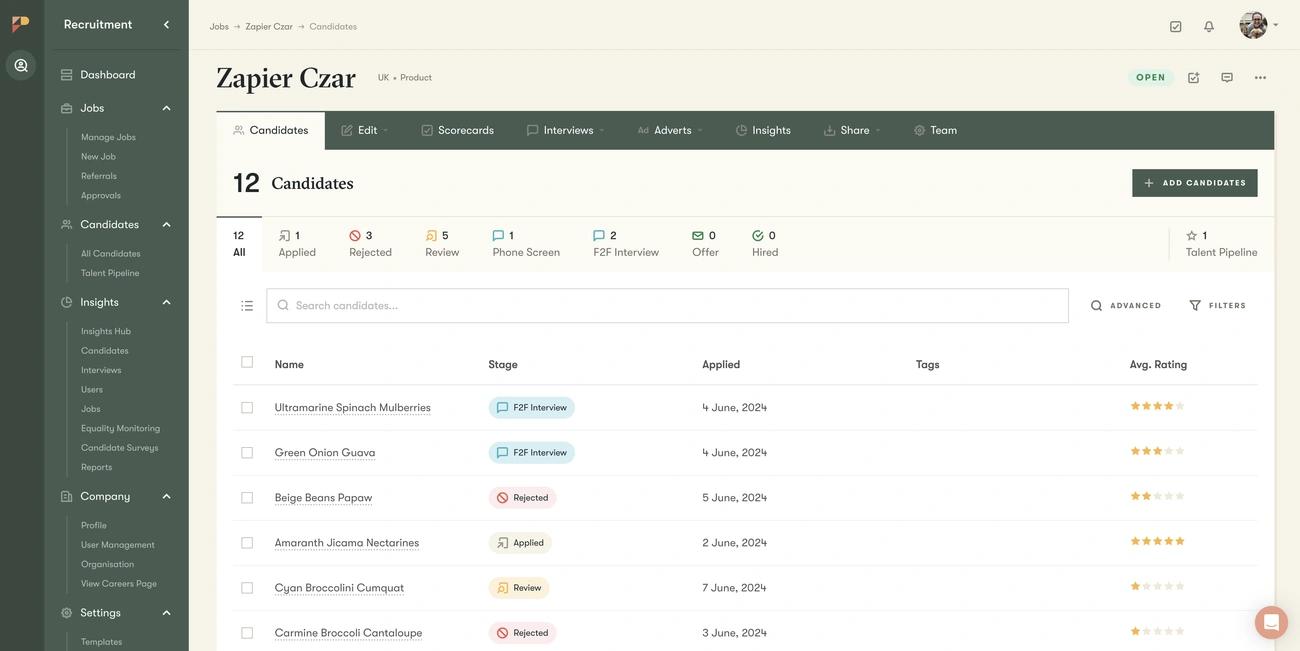
Image Source: Zapier
The backbone of modern recruitment operations, an ATS is more than just a database of candidates. Let's look at what makes this technology vital for hiring teams.
Definition and core purpose
An applicant tracking system (ATS) is software that manages the entire recruitment lifecycle from posting jobs to bringing new hires on board. The ATS acts as a central database for all job and candidate information, helping organizations make their hiring process digital.
Modern ATS platforms have powerful features that change how companies find, evaluate, and hire talent. These systems work like customer relationship management (CRM) tools but focus on recruitment needs.
The main job of an ATS is to give companies one place to store and organize candidate details. It reads resumes, screens applicants based on their skills, sets up interviews, and helps hiring teams talk to candidates. Many systems now use artificial intelligence to match and assess candidates better.
How it fits into modern HR workflows
ATS has become a key part of HR technology in today's digital world. The process starts when a hiring manager creates a new job request. The ATS then handles everything - from posting jobs on different websites to picking and hiring the right people.
Today's ATS platforms connect naturally with HR tools and job boards to create a complete talent acquisition system. Almost 99% of Fortune 500 companies use some type of ATS to handle their hiring, which shows how important these systems are in modern HR.
Companies looking to be more efficient can use an ATS to automate manual work, see their hiring progress clearly, and talk better with candidates throughout their application process. These systems also let recruiting teams in different locations work together by giving them access to the same candidate information.
Benefits for HR leaders and recruiters
An ATS brings many advantages that make recruitment better. HR leaders and recruiters see real improvements:
- Better efficiency: ATS cuts time-to-hire by up to 60% by automating tasks like resume screening and interview scheduling. Recruiters can find qualified candidates instantly instead of spending weeks reviewing applications.
- Higher candidate quality: 79% of recruiters say their ATS has brought in better new hires. These systems find top talent more effectively through advanced screening and AI-powered ranking.
- Enhanced candidate experience: Modern ATS platforms give automatic updates, personal messages, and easy-to-use application forms that leave a good impression on potential employees.
- Informed decisions: Complete analytics show how well recruitment is working, which helps HR teams improve their hiring strategies using up-to-the-minute data.
- Compliance and security: ATS helps companies follow hiring rules while protecting candidate information through strong security features.
Companies get an average of 250+ applications per job post but usually invite only 4-6 candidates for formal interviews. A good ATS makes this screening process manageable and helps find candidates who will do well in the role.
Step 1: Identify Your Hiring Needs and Challenges
You need to take a good look at your existing recruitment workflow before you start looking at applicant tracking system options. This first step will help you pick a system that fixes your specific problems instead of one that's loaded with fancy features that won't make your hiring any better.
Assess your current recruitment process
Your team should analyze how you attract, screen, and hire talent right now. Getting input from recruiters, hiring managers, and candidates will help you learn about what works and what doesn't. This team approach spots bottlenecks in your hiring pipeline.
Time-to-hire, cost-per-hire, and candidate quality are metrics you should track. Research shows the average Time to Hire is approximately 42 days, which sets a standard for measuring how well you're doing. The places where candidates quit your application process can show problem areas, since high drop-off rates usually mean applications are too long or communication is poor.
Common pain points in hiring
The right applicant tracking system should address your specific challenges. Several issues come up again and again across companies:
Poor user experience leads the complaints on ATS software review sites. This creates problems for your HR team, hiring managers, and potential candidates. The numbers show 88% of employers think they miss out on qualified talent because of ATS issues.
Candidate drop-offs pose a serious problem, with 92% of job seekers leaving applications unfinished. This huge drop affects your talent pipeline quality directly.
Other common problems include:
- Too much time spent screening resumes
- Poor visibility of candidate progress
- Scattered data across recruitment tools
- Problems tracking metrics and getting useful insights
Align ATS goals with business objectives
Your ATS choice needs to support your company's bigger plans. Industry expert Strazzulla puts it well: "It's really important to understand what matters to the business, what the strategy of the business is going forward, and therefore, how HR and TA support it".
A company focused on fast growth should look for an ATS with strong sourcing features. Companies prioritizing employee retention need solid onboarding capabilities.
Clear, measurable goals work better than vague ones like "improve hiring." Instead of "we need better candidates," try "we need to cut time-to-hire by 25%" or "improve shortlisted candidate quality". These specific targets turn your search into a strategic business move.
The evaluation shouldn't be left to HR alone. Getting IT and hiring managers involved from the start gives you a full picture of what your organization needs. Early involvement prevents problems during implementation and helps more people use the system effectively.
Step 2: Evaluate Key Features of Applicant Tracking System Software
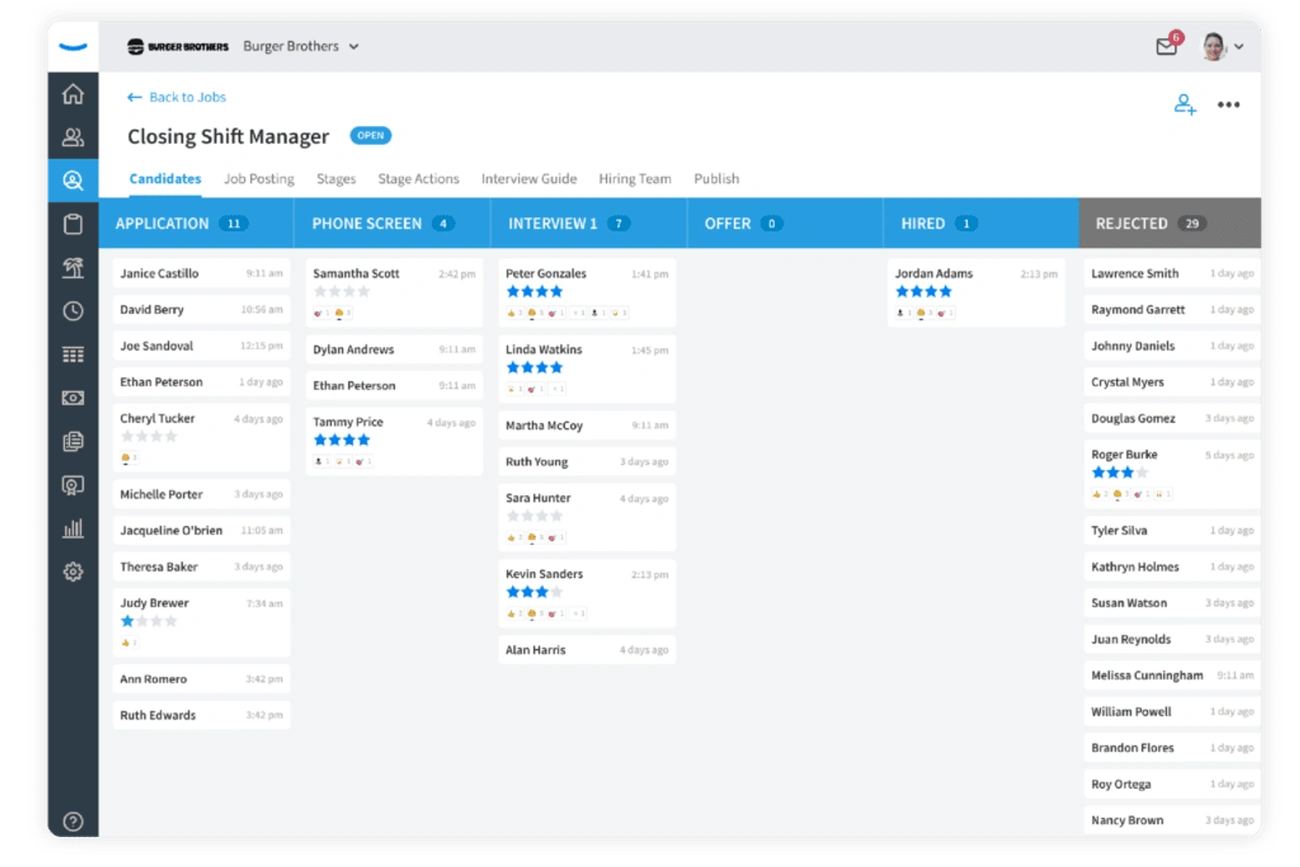
Image Source: Eddy
You've identified your hiring needs. The next step is to evaluate key features of an applicant tracking system that meets your requirements. A clear understanding of core components will give a solution with real benefits.
Resume parsing and candidate ranking
Every good applicant tracking system comes with resume parsing technology. This automatically extracts and organizes applicant data. Modern parsers employ AI and natural language processing to achieve 70% accuracy through keyword identification. The system converts unstructured resume information into searchable candidate profiles and saves hours of work.
Quality ATS platforms can spot candidates who match specific criteria like years of experience and certifications. They also automatically screen out candidates who don't meet the simple requirements. This mix of automation and customization helps you find qualified candidates without using filters that are too strict.
Job board and social media integrations
Posting individual jobs on multiple platforms takes 20-30 minutes per listing. Top applicant tracking system software makes this easier through connections with major job boards and social networks.
One click distributes your job to hundreds of platforms while keeping your branding consistent. Systems like Tribepad track where applications come from. This lets you see which channels bring the best candidates. Evidence-based decisions help optimize your recruitment spending and expand your talent pool.
Mobile-friendly and user-friendly interface
Job seekers submit 77% of applications on mobile devices. Both candidates and recruiters benefit from mobile-optimized ATS platforms. Google research shows 53% of mobile users leave sites that take more than three seconds to load.
A good mobile system supports responsive career sites and simple application forms. It even allows text message communications to reach candidates anywhere. This easy access keeps top talent from leaving due to poor user experience.
Collaboration and communication tools
Great hiring rarely happens alone. The best applicant tracking systems aid team collaboration. They offer shared access to candidate profiles, structured evaluation forms, and central feedback channels.
Everyone from recruiters to hiring managers can add their assessments while following consistent evaluation criteria. On top of that, automatic notifications keep all stakeholders updated about candidate progress without endless email chains.
Onboarding and document management
Recruitment doesn't stop at the job offer. Detailed applicant tracking systems include onboarding tools that automate document collection, verification, and processing. Companies using automated onboarding have reduced processing time by up to 95%.
Smart document features support digital signatures, secure storage, and compliance tracking. They create visual progress dashboards for new hires. This smooth transition from candidate to employee wraps up the recruitment cycle well.
Step 3: Compare and Shortlist the Best Applicant Tracking Systems
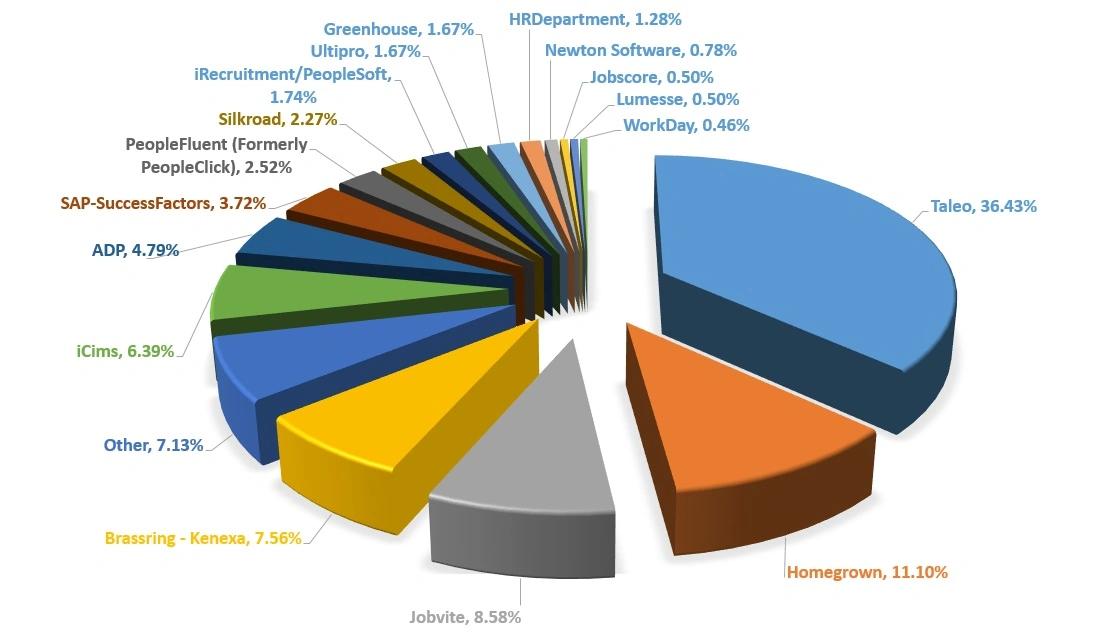
Image Source: Ongig Blog
You need to create a focused shortlist after you identify your needs and check out the features. The market has hundreds of applicant tracking systems. Your comparison should focus on budget limits, company size, and what other users say about them.
Free vs paid ATS options
An applicant tracking system's cost ranges from zero to over INR 10,547,556.35 annually. Loxo and other free options give you simple features like unlimited jobs, drag-and-drop candidate pipelines, and resume parsing. All the same, these platforms don't offer much automation, customization, or integration options.
Paid applicant tracking system software comes with extra features like:
- Advanced approval workflows and custom job stages
- Extensive integration capabilities
- Better customer support
- Data field customization
- User access controls
Small businesses with less than 100 employees should plan to spend between INR 21,095.11 to INR 253,141.35 annually. Mid-sized organizations with 100-500 employees usually invest INR 253,141.35 to INR 1,265,706.76.
Top-rated ATS tools for different company sizes
Some platforms shine brighter in this crowded market. Large enterprises often choose iCIMS and SAP SuccessFactors because of their reliable compliance features and global reach. Greenhouse, Pinpoint, and Workable make shared hiring practices easier for mid-sized companies.
Zoho Recruit, Breezy HR, and JazzHR work great for small businesses and startups with their easy-to-use interfaces and lower costs. Gem sweetens the deal by offering startups six months of free service.
How to read reviews and case studies
Look beyond star ratings to spot patterns in user comments about ease of use, support quality, and how well features work. Reviews from companies that match your size and hiring volume are particularly helpful.
Case studies show you ground examples of how systems work. These stories help you see specific challenges and actual results. Take real scenarios from your recruitment process to your demos and see how each system handles pressure.
The best way to evaluate combines careful assessment with hands-on testing. Pick 4-6 vendors based on your must-have features, then use a scoring matrix to compare them objectively.
Step 4: Test, Integrate, and Finalize Your ATS Choice
Your applicant tracking system selection needs hands-on testing to match your real-life needs. Theoretical comparisons are nowhere near as valuable as direct experience with the software.
Request demos and trial periods
Live demo sessions show you how each applicant tracking system works. You should prepare specific hiring scenarios for vendors to demonstrate, rather than watching their standard presentation. This approach shows how the platform solves the problems of your unique recruitment process. Your team should test the interface directly through trial periods after the demos.

Try SkillSauce ATS Free — No Credit Card Needed
Start using AI-powered hiring automation and speed up your hiring today.
Check integration with existing HR tools
The best applicant tracking system software provides open APIs or pre-built connections with your current HR platforms. Quality integrations bring several benefits:
- Automatic data synchronization between systems
- Elimination of manual transfers that cause errors
- Smooth workflow from recruitment to onboarding
Testing integrations thoroughly before full deployment helps you spot and fix potential risks early.
Evaluate support, training, and data security
The vendor's training resources and implementation services can determine your team's adoption success. Your recruitment team needs proper training to use the new system effectively. A performance monitoring system should track user feedback continuously for future improvements.
Conclusion
Modern HR departments must carefully choose their applicant tracking system. This guide shows you how to find the right ATS solution that matches your recruitment needs.
You should start with a full picture of your current hiring workflows and problems. This first step helps you focus on systems that solve your specific challenges instead of getting caught up in extra features.
A good grasp of key ATS features - from resume parsing to onboarding tools - helps you assess your options better. The market has many solutions at different price points. You need to match your needs with the right software capabilities.
Looking at both free and paid options while thinking about your company's size will help narrow down your choices. Free applicant tracking systems offer simple features. Paid versions usually come with strong features and more ways to customize.
Testing the system yourself is crucial before you make the final choice. Live demos, trials, and checking integrations show how well each system works in real-life conditions. Support resources and training options will affect how well you can use the system.
The right applicant tracking system reshapes your entire recruitment process. It cuts down hiring time and brings in better candidates. Companies that pick the right ATS often work faster, hire better people, and give candidates a better experience.
Take your time with this choice. A well-chosen applicant tracking system becomes a valuable recruitment tool. A rushed choice will frustrate both recruiters and candidates. These steps will help you find an ATS that will raise your hiring practices for years ahead.
Key Takeaways
Choosing the right applicant tracking system can transform your hiring process from chaotic to streamlined. Here are the essential insights every HR leader needs:
• Start with self-assessment: Identify your specific hiring pain points and align ATS goals with business objectives before evaluating any software options.
• Prioritize essential features: Focus on resume parsing, mobile-friendly interfaces, job board integrations, and collaboration tools that address your actual workflow needs.
• Test before committing: Request live demos with your real scenarios and trial periods to ensure the system performs under your specific conditions.
• Consider total cost of ownership: Free ATS options work for basic needs, but paid solutions (₹21K-₹253K annually for small businesses) offer advanced automation and customization.
• Ensure seamless integration: Verify the ATS connects with your existing HR tools through APIs or pre-built integrations to avoid data silos and manual work.
• Evaluate support and training: Quality onboarding and ongoing support determine whether your team will successfully adopt the new system and maximize its benefits.
Remember, 99% of Fortune 500 companies use ATS technology, and 78% of recruiters report improved hiring quality and efficiency. The right system can reduce time-to-hire by 60% while significantly enhancing candidate experience and recruitment outcomes.
FAQs
Q1. What are the key factors to consider when choosing an applicant tracking system?
When selecting an ATS, focus on your business needs, user experience, candidate interface, integration capabilities, and regular product updates. Ensure the system aligns with your hiring goals and offers features that address your specific recruitment challenges.
Q2. How does an applicant tracking system benefit HR departments?
An ATS streamlines the recruitment process by automating tasks like resume parsing and candidate ranking. It can reduce time-to-hire by up to 60%, improve candidate quality, enhance the applicant experience, and provide valuable data-driven insights for optimizing hiring strategies.
Q3. What's the difference between free and paid applicant tracking systems?
Free ATS options typically offer basic functionality like job posting and resume parsing. Paid systems provide more advanced features such as customization, extensive integrations, enhanced automation, and dedicated customer support. The choice depends on your organization's size, budget, and specific needs.
Q4. How important is mobile optimization in an applicant tracking system?
Mobile optimization is crucial, as 77% of job applications occur on mobile devices. A mobile-friendly ATS ensures a smooth application process for candidates and allows recruiters to manage applications on-the-go, preventing the loss of top talent due to poor user experience.
Q5. What steps should be taken to ensure successful ATS implementation?
For successful ATS implementation, start by thoroughly assessing your current recruitment process and defining clear objectives. Request demos and trial periods to test the system, ensure integration with existing HR tools, and provide comprehensive training for your team. Continuously gather user feedback for ongoing optimization.