


Introduction
The average hiring process takes 44 days. But here's the catch - the best candidates are off the market in just 10 days.
Your recruitment timeline has a 34-day gap compared to when top talent is available, and this costs you qualified candidates. A significant challenge exists as 75% of organizations struggle to fill full-time roles. The need to become skilled at effective recruitment methods has never been more vital. Recruitment techniques must adapt to meet this challenge, especially as we approach 2026, when speed will become a bigger competitive edge.
We found that there was a dramatic reduction in hiring time without compromising quality when the right recruitment strategy is implemented. Companies that use AI-powered screening and video interviews have reduced their time-to-hire by 70–90%. It also helps that 51% of organizations now use AI in their recruitment processes. The numbers show 66% use it to generate job descriptions while 44% use it to screen resumes.
SkillSauce's Time to Hire Calculator helps you measure your current hiring speed and identify bottlenecks to improve your hiring efficiency. You can make informed improvements that lead to better forecasting, improved recruiter productivity, and faster decision-making by pinpointing where delays occur.
Would you like to cut your time to hire in half and secure top talent before your competitors do? Let's take a closer look at the recruitment best practices that will change your hiring process for 2026 and beyond.
Why Long Hiring Cycles Are Costing You Top Talent
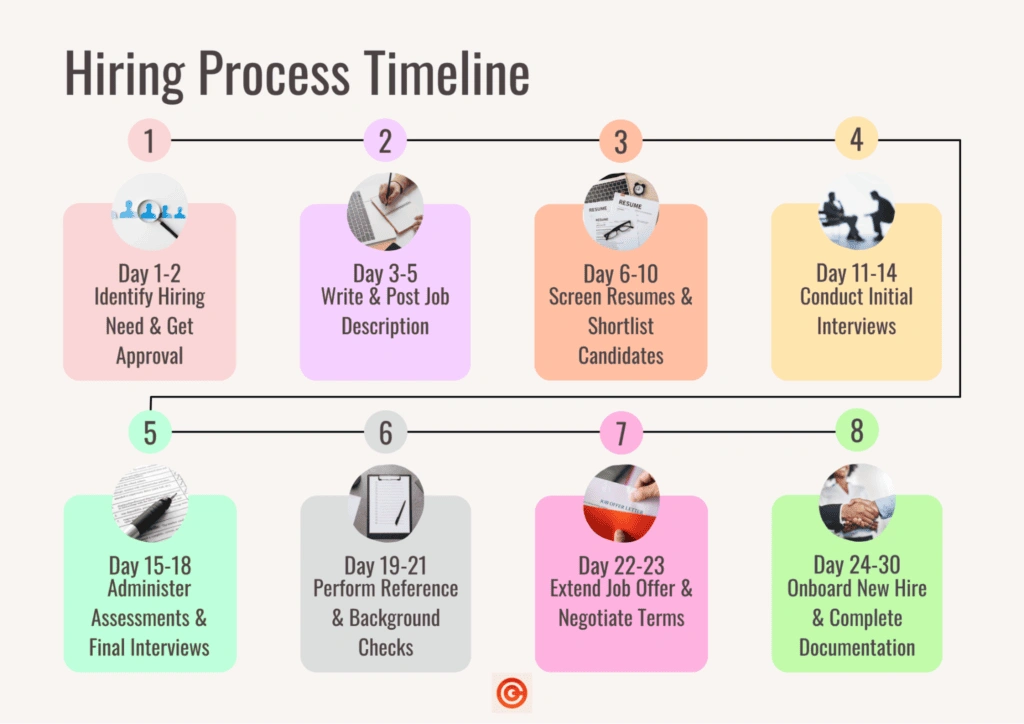
Image Source: Genius
The talent landscape of today shows a startling gap. Companies are not just slow at hiring - they fail to match their timeline with talent availability. Let's talk about an uncomfortable truth about recruitment in 2026.
The 2026 hiring gap: 10 days vs 44 days
The numbers paint a clear picture. Top candidates vanish from the job market in just 10 days, while the average hiring process takes 44 days. This 34-day mismatch creates a situation where qualified professionals accept other jobs long before most companies finish their interviews.
Companies that evaluate candidates within 10 days see their offer acceptance rates triple compared to those taking 30 days or more. About 62% of candidates quit hiring processes that stretch beyond three weeks. Each day of delay pushes your dream candidates toward your competitors.
How slow decisions lead to lost candidates
A General Manager candidate once quit the process because the hiring manager took a week to respond. His words were clear: "If it takes them a week to respond to a resume like mine for a job of this importance, they're not the kind of company I want to work for".
Modern candidates see these delays as warning signs about your company culture and efficiency. They might blame disorganization at first, but soon they'll see it as lack of interest or deeper problems. Bad experiences spread fast through professional networks.
Slow hiring hurts your employer brand and candidate experience. The result? Fewer quality applications come your way. Bad reviews on Glassdoor that mention your "disorganized hiring process" can scare away dozens of qualified candidates.
The hidden cost of every unfilled role
Empty positions drain money. SHRM reports each vacant position costs companies ₹348,406.88 over 42 days. Revenue-generating roles can cost between ₹590,663.16-₹843,804.51 monthly.
Money lost varies by position level:
- Sales roles: Company revenue drops by 5% or more during vacancy
- C-suite positions: Strategic decisions face delays across the organization
- Revenue-generating positions: Daily productivity loss reaches ₹42,190.23
Vacancies create deeper problems. Team members face bigger workloads that lead to burnout, mistakes, and eventual departures. Projects stop moving forward, new ideas slow down, and customer satisfaction drops.
SkillSauce's Time to Hire Calculator helps measure these costs for your organization. You can make evidence-based improvements by tracking your hiring timeline and finding bottlenecks. These changes lead to better forecasting, increased recruiter efficiency, and faster decisions. Calculate your actual time to hire today - the real cost might shock you.
The talent shortage will stay - 74% of employers worldwide struggle to fill positions. Your company can cut hiring time without losing quality by using modern recruitment methods and improving your recruitment strategy plan.
Find and Fix Bottlenecks in Your Hiring Funnel
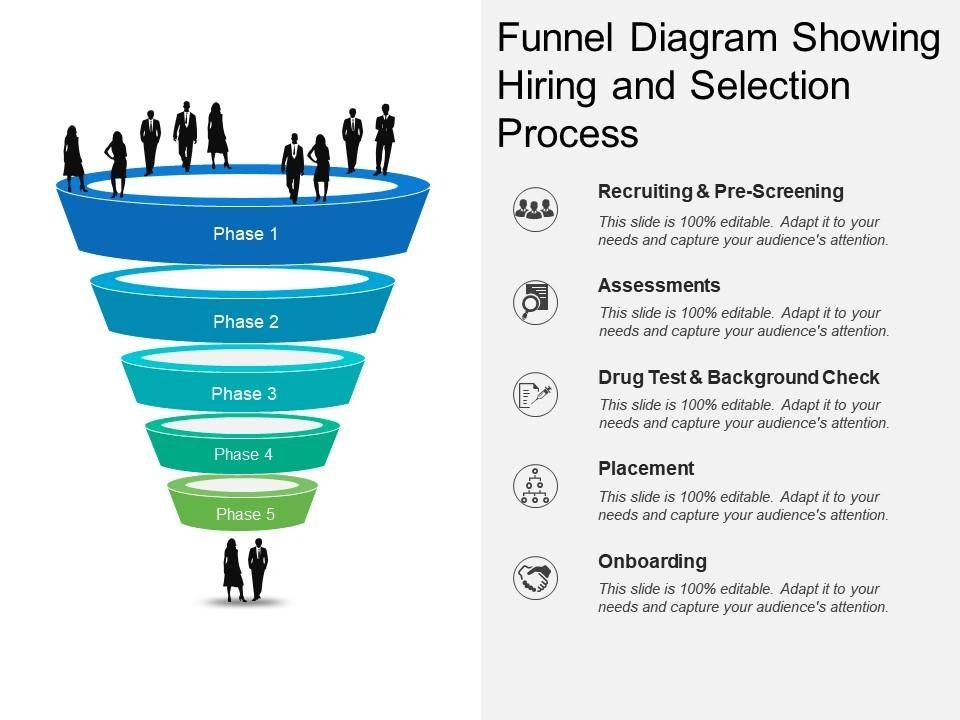
Image Source: SlideTeam
"Recruiters handle 93% more applications and manage 40% more open roles than in 2021, yet teams are 14% smaller." — Gem Research Team, Recruitment analytics firm analyzing 165 million applications and 1.2 million hires
Bottlenecks in your recruitment pipeline waste money and make you lose qualified candidates. You need to know how much lengthy hiring cycles cost before you can find and fix these roadblocks. Here's how to break this down into simple steps.
Map your current recruitment workflow
A clear picture of your hiring process forms the foundation of any good recruitment strategy. Your hiring process works like a pipeline where candidates move through different steps:
- Draw a visual map showing how candidates move from job posting to onboarding
- List everyone involved at each step
- Show where work passes between teams
- Mark where decisions and approvals happen
This recruitment methods audit helps diagnose problems in your hiring process. Don't just accept "this is how we've always done it." Look at each step to see what adds value and what just wastes time.
Measure time spent at each stage
After mapping your workflow, you should track how long candidates stay at each stage. The data shows where things slow down:
"For each stage in your recruitment funnel, identify an ideal and maximum number of days. This makes it easy to analyze the difference between the ideal and the actual number of days".
Your time-to-fill breaks down into smaller parts: gaps between application and phone screening, delays in interview scheduling, or wait times between final interview and offer. Your Applicant Tracking System usually stores these details, though even a basic spreadsheet can help you learn about delays.
Use SkillSauce's Time to Hire Calculator to identify delays
Modern recruitment techniques use data analytics to spot exactly where slowdowns happen. SkillSauce's Time to Hire Calculator helps spot these delays by:
- Comparing your numbers to industry standards
- Showing stages with biggest delays
- Giving practical tips to speed things up
- Showing how much each bottleneck costs
The calculator shows this data visually, so you can quickly spot which stages show up in red because they take too long.
Set internal SLAs to speed up decisions
Service Level Agreements (SLAs) between talent acquisition teams and hiring managers are one of the best ways to improve recruitment. These agreements spell out:
"Written standards that the TA function and hiring managers agree upon in order to understand the responsibilities of each party".
SLAs create accountability with specific timeframes:
- Resume review within 24 hours
- Interview feedback within 48 hours
- Offer decisions within three business days
Paxos saw great results after implementing SLAs, with application-to-offer timelines of approximately 27 days. This is a big deal as it means that they beat industry averages. Tracking these agreements also reveals delay patterns that might otherwise go unnoticed.
These recruitment strategies can turn your slow hiring process into a competitive edge. You'll secure top talent while your competitors are still scheduling their first interviews.
Use AI and Automation to Speed Up Sourcing and Screening
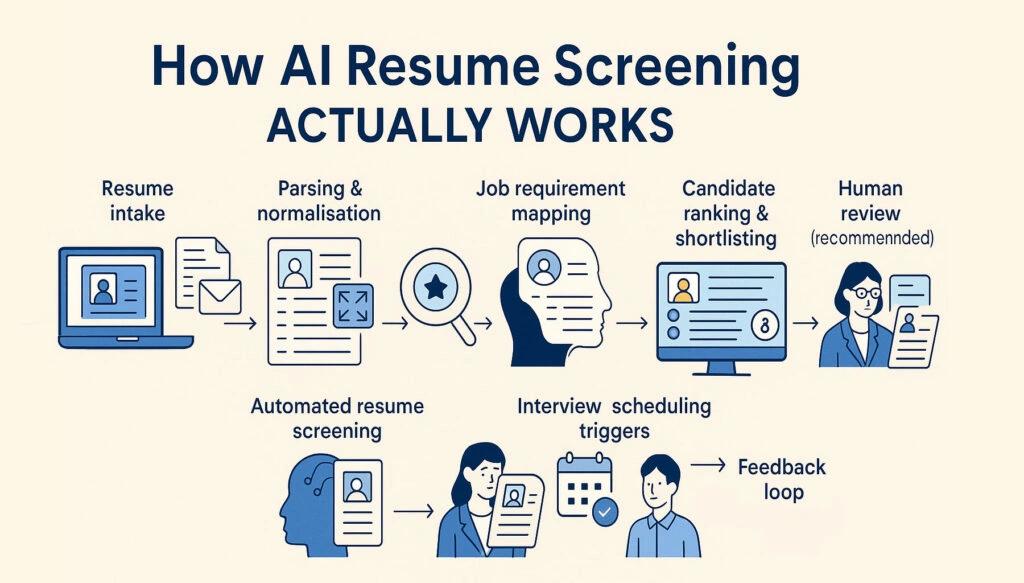
Image Source: Smart Hiring Software for Automated Interviews
"Companies using AI-powered assessments report 46% faster hiring cycles." — MSH Talent Solutions Research Team, Recruitment research and talent solutions firm specializing in 2026 hiring trends
AI and automation are revolutionizing recruitment. They eliminate tedious manual tasks and speed up hiring cycles. Your team can quickly find qualified candidates who might slip through the cracks of traditional hiring methods with the right tools.
Switch from Boolean search to natural language prompts
Boolean operators that need special training are now a thing of the past. Teams that switched to AI now source candidates ten times faster. You no longer need to build strings with AND, OR, and NOT operators. Just type what you need: "Find me software engineers with React experience in Berlin." AI gets the context, knows synonyms like "developer" and "engineer," and understands what you mean without exact keyword matches. Even junior recruiters can now perform like veterans from day one.
Automate resume screening with AI scoring
Resume screening takes up about 40% of recruiters' time. AI-powered screening tools scan thousands of resumes and focus on skills that match job descriptions. These systems cut screening time by up to 75% through:
- Objective evaluation of applications
- Recognition of relevant experience even without exact keyword matches
- Elimination of unconscious bias in early screening stages
Teams that use AI for screening report better quality hires, with 62% of ATS users saying they've found better candidates.
Run 24/7 sourcing agents to build pipelines
Think of having sourcing specialists who never sleep. AI sourcing agents scan databases on multiple platforms non-stop and build candidate pipelines even while you rest. They analyze job requirements and find matching candidates from talent pools of over 800M profiles. These tools find passive candidates who aren't looking for jobs but match your needs perfectly.
Free up recruiters for high-value tasks
Recruiters save 3-5 hours each day by automating repetitive tasks. This creates time for what truly matters: building relationships, assessing cultural fit, and showing top candidates why they should join your team.
SkillSauce's Time to Hire Calculator helps you measure these improvements. You can track how AI speeds up your hiring process. Check your current metrics and see where automation will best help your recruitment strategy plan.
Calculate your time to hire today and see which modern recruitment techniques will speed up your hiring process.
Design a Candidate-Centric Recruitment Strategy
A candidate-centric approach to recruitment benefits both candidates and your bottom line. This approach directly addresses the hiring gap we discussed earlier.
Set clear timelines and communicate them
Uncertainty frustrates candidates—78% say regular status updates would substantially improve their experience. You should create a detailed roadmap of your hiring process and share expected timeframes for each stage. The data shows that 83% of candidates say clear expectations would boost their experience. SkillSauce's Time to Hire Calculator helps establish realistic timelines based on your historical data.
Pre-book interview slots to avoid delays
A proven recruitment strategy plan suggests blocking calendar time for interviews weeks ahead. This straightforward approach eliminates the back-and-forth scheduling that extends hiring cycles. Your candidates won't drift toward competitors due to unnecessary delays.
Use multi-step email sequences to boost replies
Carefully timed cold email sequences over several days can dramatically improve how candidates respond. Your outreach should follow this structure:
- Email 1: Present your job opportunity clearly
- Email 2: Share compelling details about your company
- Email 3: Make it easy for candidates to respond
Provide transparency at every stage
Candidates value honesty above everything else during recruitment. Trust builds through transparency, which creates better candidate experiences and shields your organization from legal risks. Open communication about job expectations, company culture, and growth opportunities helps candidates make well-informed decisions.
Track Metrics That Actually Improve Time to Hire
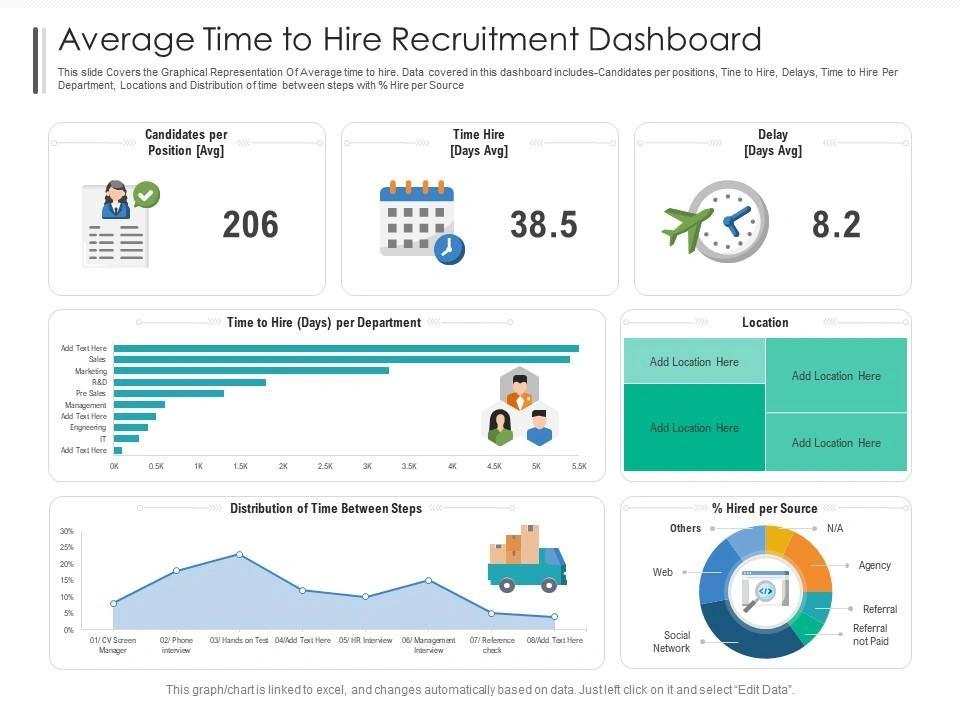
Image Source: SlideTeam
Measuring what matters transforms recruitment efficiency. The right metrics help you spot areas needing improvement and make informed decisions that cut down hiring timelines dramatically.
Time to hire vs time to fill: know the difference
People often mix up these two metrics, but each serves a unique purpose. Time to hire counts the days from when candidates apply until they accept the job. Time to fill spans from when a job gets approved until someone accepts it. Your recruitment team's efficiency shows in the first metric, while the second reveals how well your entire hiring process works. Time to hire shows how quickly you spot and advance top candidates through your pipeline.Monitor source of hire and conversion rates
Your recruitment strategy becomes stronger when you know which channels bring the best candidates. Start by measuring how many applicants make it to interviews - the industry typically sees 12%. Then look at success rates at each stage to find where candidates drop off. This information helps you invest more in what works and cut back on channels that don't deliver.
Use data to forecast hiring needs
Historical hiring patterns help predict future staffing needs through predictive analytics. You can plan recruiter resources better by studying past recruitment cycles and understanding how long different roles take to fill.
Improve recruiter productivity with immediate dashboards
Hiring dashboards give you a clear view of your talent pipeline as it moves. Teams can spot problems right away instead of waiting for weekly reports because these analytics track key metrics live.
Calculate your current time to hire and identify hiring bottlenecks using SkillSauce's Time to Hire Calculator. Make faster, informed hiring decisions today.
Conclusion
Modern recruiters face a big challenge with the growing gap between standard hiring timelines and candidate availability. We've looked at how a 34-day disconnect between your 44-day process and the 10-day window to secure top talent affects your chances to build high-performing teams. Without doubt, your competitors who focus on hiring efficiency will keep getting the qualified candidates if you don't fix this gap.
Your recruitment process can become a competitive edge when you put these strategies to work. The first vital step toward better results is to find and fix the bottlenecks in your hiring funnel. AI and automation help cut down manual work in sourcing and screening while keeping quality high. When you combine this with a candidate-first approach that values clear communication and transparency, you create an experience that keeps top talent interested.
You need informed decisions to keep improving. SkillSauce's Time to Hire Calculator helps measure your current hiring speed and shows where candidates get stuck. This tool lets you compare yourself against industry standards and spot areas where changes will make the biggest difference. Teams that track these metrics can forecast better, boost recruiter output, and make faster decisions.
Note that each day you save in your hiring process gives you a better shot at getting exceptional candidates. Use SkillSauce's calculator today to check your time to hire and spot the bottlenecks that cost you talent. The digital world of 2026 will favor companies that act fast, communicate well, and value their candidates' time as much as their own.
Don't settle for average industry hiring times. Push your team to cut your time to hire in half. The talent shortage won't go away, but how you handle it makes the difference between constant vacancies and building the high-performing team your company needs.
Key Takeaways
Master these recruitment strategies to dramatically reduce your hiring timeline and secure top talent before competitors do:
• Close the 34-day gap: Top candidates are hired within 10 days, but average processes take 44 days—streamline yours to compete effectively.
• Map and eliminate bottlenecks: Use data to identify hiring delays, set internal SLAs, and track time spent at each recruitment stage.
• Leverage AI for 75% faster screening: Automate resume screening and sourcing to free up recruiters for high-value relationship building.
• Prioritize candidate experience: Set clear timelines, pre-book interviews, and maintain transparent communication throughout the process.
• Track metrics that matter: Monitor time-to-hire vs time-to-fill, source effectiveness, and conversion rates using real-time dashboards.
Every unfilled role costs an average of ₹348,406 over 42 days, while slow hiring processes damage your employer brand and push qualified candidates toward competitors. Companies implementing these modern recruitment techniques report up to 70-90% reduction in time-to-hire without sacrificing quality. Use SkillSauce's Time to Hire Calculator to measure your current performance and identify specific areas for improvement—because in 2026's competitive talent market, speed wins.