


Introduction
Quality of hire stands as the key recruiting metric that will shape talent acquisition's future. Research shows 88% of organizations expect it to become their most important measure of recruiting success in the next five years. Traditional recruiting metrics end when a candidate signs the contract. Quality of hire takes this further by showing how well new employees actually add value to your organization.
Quality of hire measures how much value new employees bring to your company and their impact on long-term success. The metric's importance keeps growing, with 89% of talent acquisition professionals acknowledging this fact. Yet only 25% know how to measure it properly. This knowledge gap raises concerns, particularly since hiring the wrong person can cost your business 30% of their first-year earnings.
We created this complete guide to quality of hire metrics to bridge this gap. You'll learn the definition, practical ways to measure it, and steps to build a system that fits your organization's needs. This piece offers the clarity you need to make better hiring decisions, whether you're starting fresh with quality of hire tracking or enhancing your current methods.
What is Quality of Hire and Why It Matters
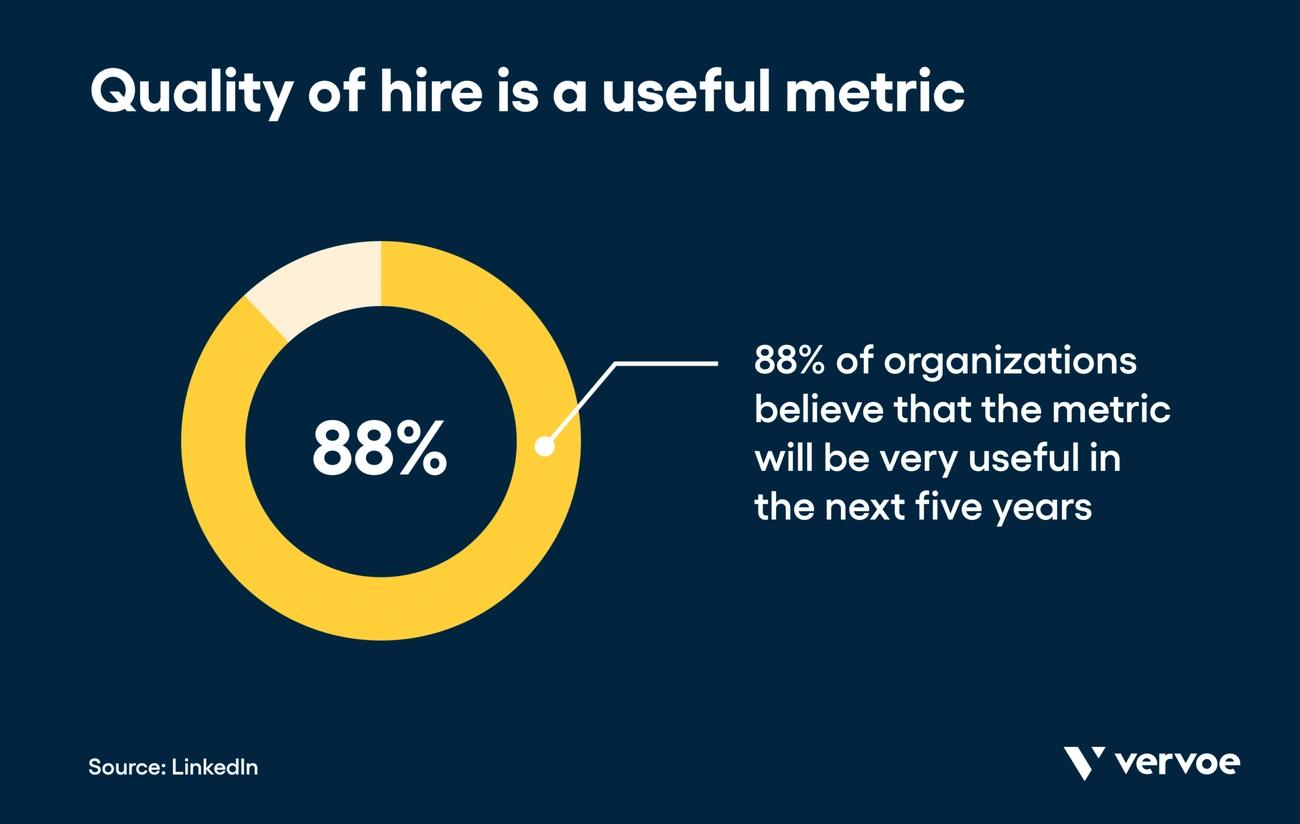
Image Source: Vervoe
"Quality of hire is a recruitment metric used to evaluate the value a new hire brings to an organization. It measures how well a candidate is suited to their role, team, and the company as a whole. Unlike recruiting metrics that focus on effectiveness or cost of the process, quality of hire prioritizes outcomes, such as employee performance, engagement, and retention." — Jobylon Editorial Team, Recruitment and talent acquisition platform
The way organizations build teams changes when they measure the right things in recruitment. Quality of hire leads this transformation and gives a better picture of recruitment success than traditional metrics alone.
Understanding the quality of hire definition
Quality of hire is a performance-based metric that shows the long-term value new employees bring to an organization. Most metrics stop tracking at offer acceptance, but quality of hire shows how well people contribute to company goals after they start. The ISO/TS 30411:2018 defines it as "the performance of an individual after hire compared to pre-hire expectations", but most working definitions are more detailed.
Quality of hire covers several key areas:
- Job performance and productivity levels
- Team fit and cultural integration
- Retention and long-term commitment
- Value contribution to organizational goals
This complex nature makes it hard but vital to measure. Unlike time-to-hire, quality of hire needs months to assess properly as different indicators become clear.
Why quality of hire is a strategic metric
Quality of hire has become the top ROI metric for recruitment and has moved ahead of traditional measures like cost-per-hire and time-to-fill. The 2025 State of Staffing Benchmarking Report shows 31% of agencies now consider quality of hire their main metric, while only 19% focus on cost-per-hire.
This change shows more than different preferences—it points to a transformation in talent acquisition. Organizations now know that quick or cheap hires mean nothing if employees leave quickly or perform poorly.
Quality of hire remains the #1 talent acquisition metric companies want to improve since 2023. This makes sense because a great hire can perform 400% better than an average one. Companies that become skilled at this metric gain substantial competitive advantages.
How it connects to long-term business success
Great employees create exceptional results—that's how quality of hire links to business success. Top-quality hires perform better, show more creativity and adaptability, and help achieve organizational goals directly.
Companies that boost their quality of hire are three times more likely to keep first-year employees. This matters because a bad hire costs about 30% of that employee's yearly salary, not counting how it hurts team morale and productivity.
Money isn't everything—quality of hire shapes company culture too. Dr. W. Edwards Deming said it best: "Your organization will become whom you recruit". Each hire either strengthens or weakens your company's foundation.
Ready to put these insights to work? Our SkillSauce quality of hire calculator helps track and measure this vital metric based on your organization's needs and priorities. A focus on quality of hire turns talent acquisition from a service function into a strategic partner that drives sustainable business growth.
Why Measuring Quality of Hire Is So Challenging
"Although up to 89% of talent acquisition professionals think quality of hire will increasingly become important to measure, only 25% feel confident that their organization is able to effectively do so." — Jobylon Editorial Team, Recruitment and talent acquisition platform
The value of quality of hire is easy to recognize but measuring it properly is a real challenge. 89% of organizations know its growing importance, yet all but one of these companies lack confidence to measure it properly. This measurement gap gives forward-thinking organizations a chance to pull ahead of their competition.
Different roles require different success metrics
Each position needs its own unique way to measure success. A sales representative's success looks nowhere near the same as a software developer's. The measurement strategies must line up with each role's specific skill requirements. Quality assessments become meaningless without role-specific key performance indicators that associate with business outcomes like productivity metrics, customer satisfaction scores, or revenue generation.
Subjectivity in performance and culture fit
The most important challenge comes from how subjective performance evaluation can be. Companies struggle with quality of hire measurement because traditional approaches depend too much on subjective judgment. The "you know a good hire when you see one" mindset creates major blind spots.
Cultural fit poses an even bigger challenge. 73% of employees report leaving jobs due to poor cultural fit, yet measuring this aspect remains tough. The reason? It focuses not on competency levels but on how well someone matches company values. Without crystal clear values, finding ideal candidates becomes pure guesswork.
Time lag between hiring and measurable outcomes
Quality of hire isn't something you can measure right away. You need several months to get a full picture of performance. This delay creates real problems for talent acquisition teams who need quick feedback about their processes.
Companies that only look at quality of hire during the first few months miss out on learning about long-term employee value. Early turnover often points to quality issues, so it helps to track retention at key points: 30 days shows onboarding effectiveness, 90 days reveals role fit, and 12 months demonstrates long-term value.
Bias in performance reviews and feedback
Human judgment always comes with rater bias. Unconscious biases can inflate or deflate employee ratings and affect important decisions.
The sort of thing I love to point out includes recency bias where recent performance matters too much, primacy bias when first impressions take over, and similar-to-me bias that favors people with matching backgrounds. It also turns out that gender bias makes evaluators focus on personality for women but achievements for men.
How to Measure Quality of Hire Effectively
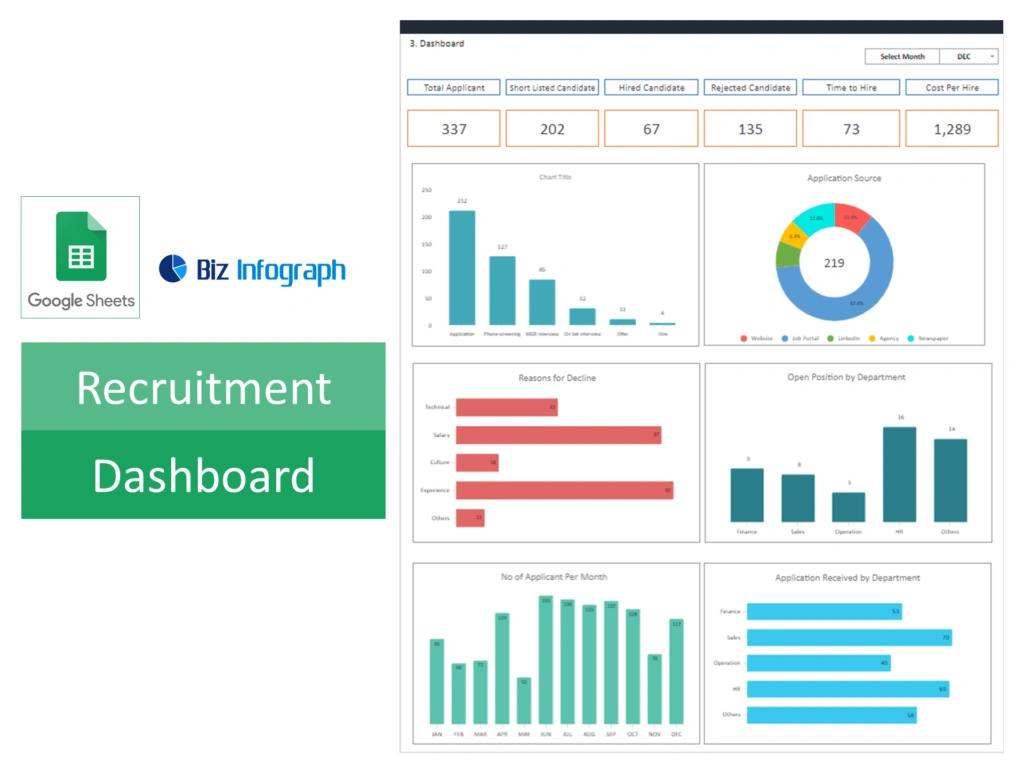
Image Source: Biz Infograph
Quality of hire tracking works best when you combine pre-hire and post-hire metrics. Yes, it is essential to measure quality throughout an employee's journey to get meaningful results.
Pre-hire metrics: source yield, time to hire, assessment scores
Source yield shows which recruitment channels bring your best hires. This number tells you how many qualified candidates you get compared to total applicants from each source. Tracking which sources work best helps you spend your recruiting budget on channels that bring quality candidates.
Time-to-fill shows how long it takes from job approval to offer acceptance. Speed matters, but rushing often results in poor hires. Jobvite research reveals that quality of hire metrics now matter more than time-to-fill, with 31% of recruiters rating it their top metric.
Assessment scores help predict how well someone might perform in a job. These pre-employment tests are a great way to get data about job fit before making decisions, which reduces new-hire turnover rates.
Post-hire metrics: time to productivity, retention, performance
Time to productivity measures how quickly new employees become fully effective. Most companies average about 28 weeks, though this varies based on job complexity. This metric reveals how well your onboarding works and if candidates fit their roles.
First-year retention ranks as the second most important metric for recruiters at 23%. Companies look at both managed turnover (when they let someone go) and unmanaged turnover (when people quit). People usually quit when the job doesn't match what they expected.
Performance metrics change by role but usually include ratings from 1-5 in formal reviews. Many organizations use 360-degree feedback from everyone around the employee to remove bias and get a complete picture.
Hiring manager and new hire feedback
The core team's satisfaction tells you the most about hire quality. Their direct observations of how employees adapt, work with teams, and handle their duties give vital information.
New hire feedback tells you if your recruitment process painted an accurate picture of the job and company. Automated surveys at key points (usually 30 or 60 days after starting) provide data to keep improving.
Using Net Hiring Score (NHS)
The Net Hiring Score works like Net Promoter Score but measures how good your hires are instead of customer loyalty. Here's how to calculate it:
- Ask hiring managers: "On a scale of 0-10, how much of a fit is this new hire for the job?"
- Ask new hires: "On a scale of 0-10, how much of a fit is this job for you?"
- Subtract the percentage of poor fits (0-6) from great fits (9-10) and multiply by 100
Your NHS ranges from -100 to +100. Higher scores mean better hiring quality.
Introducing the SkillSauce calculator for QoH tracking
Our SkillSauce quality of hire calculator makes tracking simple by combining your chosen metrics into one complete score. This tool helps you spot patterns across roles, teams, and locations. It turns gut-feel hiring into informed decisions.
The Quality of Hire Formula and Scorecard Approach
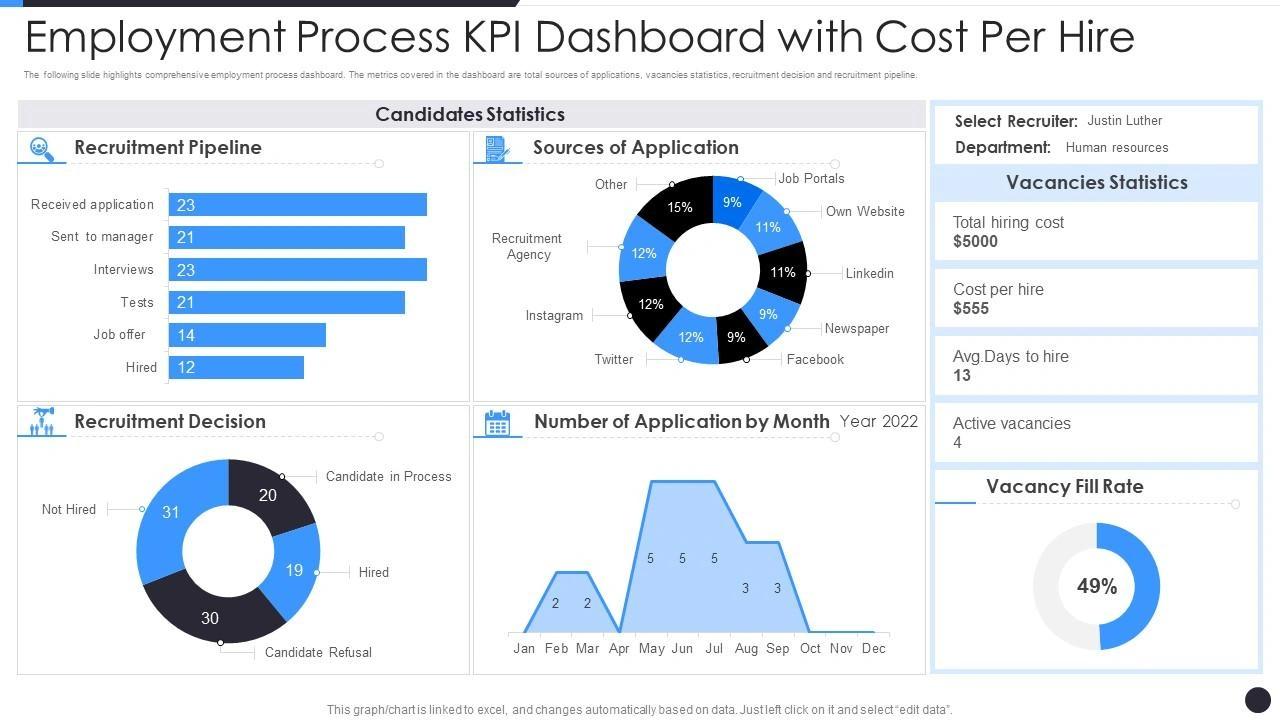
Image Source: SlideTeam
Measuring the quality of hire requires a systematic approach that turns abstract concepts into tangible metrics. Here's how you can develop a formula and scorecard system that works for your organization.
Simple quality of hire formula explained
The basic quality of hire formula is easy to understand: Quality of Hire = (Indicator 1% + Indicator 2% + Indicator 3%...) ÷ Number of Indicators. This calculation shows your hiring success as a percentage. Your organization should focus on 3-5 essential indicators rather than trying to track everything.
Choosing the right indicators for your organization
One question helps select the right indicators: "What do we want to improve about our hiring processes?". Most successful companies choose a combination of:
- Performance ratings (51% of companies use this)
- Retention metrics (48%)
- Hiring manager satisfaction (41%)
Weighting metrics for different roles
Each position needs different metric weights. Customer service roles might emphasize empathy over technical skills. Engineers need stronger technical proficiency ratings. A selection criteria weighting form helps adjust these formulas.
How to build a flexible scorecard
A good scorecard needs these elements:
- Determine selection criteria relevant to each role
- Assign appropriate weights based on importance
- Develop a consistent scoring system (often 1-5 or 1-10 scale)
- Standardize evaluation criteria
Using SkillSauce to apply your formula in real-time
SkillSauce's quality of hire calculator makes this process automatic. The platform helps you utilize analytical insights that lead to 70% fewer hiring mistakes and 80% higher chances of hiring top performers. You get detailed assessment reports with precise candidate evaluations based on your custom formula.
The Impact of Measuring Quality of Hire
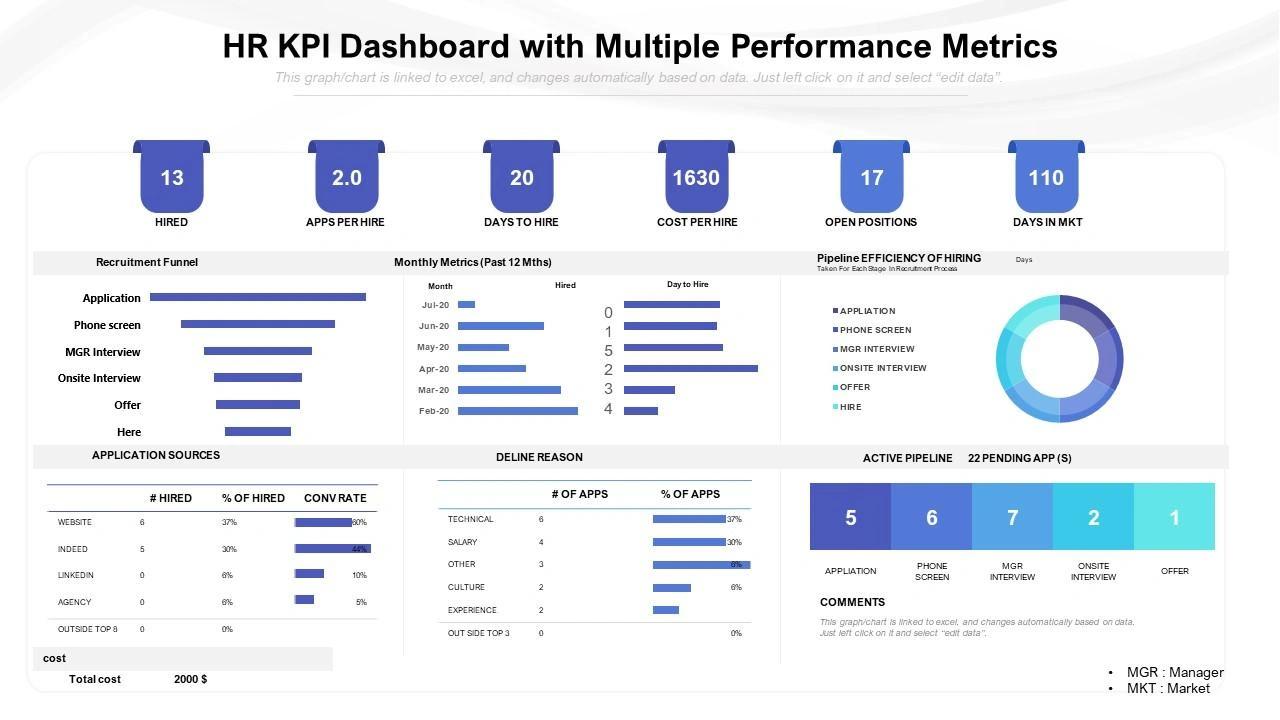
Image Source: SlideTeam
Quality of hire measurements create ripple effects that benefit the entire organization. These metrics revolutionize recruitment from a simple transaction into a real business asset.
Better hiring decisions and reduced turnover
Quality of hire metrics directly boost retention rates. Companies that optimize this metric are three times more likely to see improved first-year retention. This makes perfect sense - recruitment teams who know what makes candidates successful pick better matches. These employees stick around longer, which cuts down hiring cycles and saves money over time.
Improved candidate experience and employer brand
Companies that put candidate experiences first see their quality of hires jump by 70%. A clear, quick hiring process leaves a good impression, whatever the outcome. Candidates who don't make the cut often praise companies that communicate well and value their time. This positive reputation makes your company more appealing to future job seekers.
Strategic workforce planning and team performance
Quality of hire numbers give you crucial data to plan your talent strategy. Without these analytical insights, workforce planning becomes a shot in the dark. Good hiring data shows which departments consistently bring in top talent and which ones struggle to find the right fit. Our SkillSauce quality of hire calculator helps companies spot these patterns in roles, departments and locations.
Avoiding the cost of bad hires
Poor hiring choices hit companies hard financially. A bad hire usually costs 30% of their first-year salary. This number skyrockets for senior roles - reaching about INR 2,390,413 for executives. The damage goes beyond money - bad hires hurt team dynamics, crush morale, and cut productivity as team members pick up the slack.
Conclusion
Quality of hire is the life-blood metric that drives modern talent acquisition professionals. This piece explores how performance-based indicators give better understanding than traditional recruitment metrics by showing an employee's real contribution to your organization. The gap between knowing its value and measuring it properly remains big, despite its vital role.
Many organizations find it hard to measure quality of hire. Role-specific success metrics, built-in subjectivity, and time delays create real challenges. These roadblocks should not stop your recruitment team from tracking this vital metric. A systematic approach works best when you combine pre-hire indicators like source yield and assessment scores with post-hire metrics such as performance ratings, retention, and manager satisfaction.
Your company's unique requirements should shape which metrics you pick and how much weight you give them. A balanced scorecard lets you customize based on role needs while keeping your hiring process consistent. SkillSauce's quality of hire calculator makes this complex process simple. It helps you track, weight, and analyze these components automatically and turns gut-feel hiring decisions into analytical strategies.
Measuring quality of hire reshapes the scene way beyond recruitment. Companies that become skilled at using this metric see much better retention rates, stronger employer brands, improved team performance, and big cost savings. A bad hire costs about 30% of their first-year earnings—this number goes up fast for senior roles.
Quality of hire measurement turns recruitment from a basic function into a strategic force that drives business success. The long-term benefits make it worth the work, even though it can be tough to start. Begin with a few key metrics, improve your method over time, and you'll see your hiring decisions bring in exceptional talent who add real value to your company's growth and success.
Key Takeaways
Quality of hire is the most critical recruiting metric for modern organizations, measuring the actual value new employees bring rather than just hiring process efficiency. Here are the essential insights for implementing effective quality of hire measurement:
- Quality of hire predicts business success: High-quality hires outperform average hires by 400%, making this metric three times more likely to improve first-year retention than traditional hiring approaches.
- Measurement requires both pre-hire and post-hire data: Combine source yield, assessment scores, and time-to-productivity with performance ratings, retention metrics, and manager satisfaction for comprehensive evaluation.
- Role-specific metrics are essential: Different positions need tailored success indicators—what defines quality for sales differs dramatically from engineering or customer service roles.
- Bad hires cost 30% of first-year earnings: Poor hiring decisions create substantial financial impact beyond direct costs, including lowered team morale and reduced productivity.
- Start simple with 3-5 key indicators: Focus on the most relevant metrics for your organization rather than tracking everything, using weighted formulas to calculate overall quality scores.
Despite 89% of organizations recognizing its importance, only 25% feel confident measuring quality of hire effectively. This gap represents a significant competitive advantage for companies that master this strategic metric and transform their talent acquisition from transactional hiring into data-driven business growth.