


U.S. companies now spend $5,475 to recruit a single non-executive employee in 2025, according to SHRM — with executive roles averaging $35,879." Recruitment costs have risen faster than inflation for three consecutive years, making cost reduction one of the most urgent priorities on the HR agenda. HR leaders need a fresh look at their hiring approach to cut down recruitment costs.
These numbers represent a measurable business problem. Bad hires can cost companies about 30% of an employee's first-year salary. Recruitment agencies take 15% to 25% of the employee's salary. Most hiring expenses come from indirect costs, which make up 60% to 70% of the total. You can still cut recruitment costs and get quality hires.
Reducing costs is good — but are your hires performing? Measure hiring quality with real data.
Check Quality of HireResults speak for themselves. A public sector client cut their recruitment costs by half compared to their previous provider. They achieved a 95% direct source rate and could submit candidates within three days.
This guide covers practical strategies to reduce recruitment costs without compromising hire quality — from internal talent pipelines through AI automation and vendor negotiation. You'll learn to build a stronger employer brand, use technology better, and create smart referral programs. These steps will help reshape your recruitment process and save money.
Understanding Recruitment Costs
"Talent acquisition is no longer just a cost center; it's a strategic function." — Josh Bersin, HR industry analyst and founder of Josh Bersin Academy
Understanding where your recruitment budget goes requires a look at the complete financial picture beyond obvious expenses. Filling a position costs much more than most HR leaders realize.
Want to know your actual hiring cost? Calculate direct & indirect expenses in minutes.
Use Cost Per Hire CalculatorDirect vs indirect hiring expenses
Recruitment costs fall into two distinct categories. Direct or "hard" costs show up as line items in your budget. These typically make up 30-40% of total hiring expenses. Job postings, assessment tools, background checks, and agency fees fall into this category.
The remaining 60-70% of recruitment expenses come from indirect or "soft" costs that rarely show up in financial reports. These hidden expenses add up when departmental leaders spend time interviewing candidates. Teams also face productivity losses during recruitment and reduced output while new hires get up to speed.
The Society for Human Resource Management (SHRM) reports the average cost per hire reaches nearly $4,700. Many employers find the total cost to hire someone new can reach three to four times the position's salary. A $60,000 position could end up costing $180,000 or more to fill.
How recruitment costs affect business growth
High recruitment costs hold back business expansion. Studies show that when hiring takes twice as long, profits drop by 3% and sales decrease by 5%. Companies that struggle with average hiring challenges see 8% decreases in both employment and capital investment.
Empty positions cost about $500 per day in lost productivity. Specialized roles can cost even more. This creates a harmful cycle where unfilled positions drain resources and limit business growth.
Common hidden costs HR leaders overlook
HR leaders often miss important cost factors that quietly drain recruitment budgets:
- Productivity gaps: Extended vacancy periods create hidden costs, including lost productivity, increased strain on existing staff, and delayed projects — with unfilled roles costing an estimated $500 per day in direct productivity loss alone.
- Lost candidates: The best talent stays available for just 10 days. Slow hiring means missed opportunities.
- Employee morale: Empty positions put extra work on current staff and can lead to burnout and turnover.
- Bad hires: Wrong hiring decisions can cost up to 30% of the employee's first-year earnings. This triggers even more expenses.
Learning about these costs helps you create better strategies to reduce recruitment expenses while finding great hires.
Internal Strategies to Cut Costs
Your organization holds the best chance to cut recruitment costs right now. Companies can save 18% on hiring costs through internal strategies compared to external recruitment. These strategies also bring in better hires and build employee loyalty.
Build internal talent pipelines
A structured path for employee growth helps spot future leaders before positions become available. Companies with resilient internal mobility programs get 32% better quality new hires. Here's how to build effective talent pipelines:
- Spot high-potential employees through regular performance reviews
- Create cross-training chances across departments
- Set up formal mentorship programs
- Build centralized talent profiles to track skills and aspirations
Talent management systems help map employee skills against future needs instead of keeping scattered records. Yes, it is true that 87% of employers know strong internal mobility programs help attract and retain talent. Still, only one-third put such programs in place.
Use succession planning to reduce external hiring
Succession planning turns reactive hiring into proactive talent management. This method spots critical roles and prepares internal candidates to step into these positions naturally. Companies that make succession planning a priority fill positions 50% faster than those who rely on external recruitment.
Well-planned succession helps companies avoid costly outside hiring for leadership roles. Internal candidates already know company processes and culture, which leads to smoother transitions during role changes.
Promote from within to lower onboarding time
Internal hires become fully productive in three months while external hires take six. This cuts the learning curve in half and improves output and quality metrics quickly. People promoted from within show better performance in their first two years than external hires.
Internal promotions save money beyond just performance benefits. External recruitment costs include job ads, agency fees, and lengthy screening processes. Internal moves eliminate these expenses. Companies that focus on internal growth see 70% higher retention rates among employees promoted within three years of joining.
Leveraging Technology and Tools
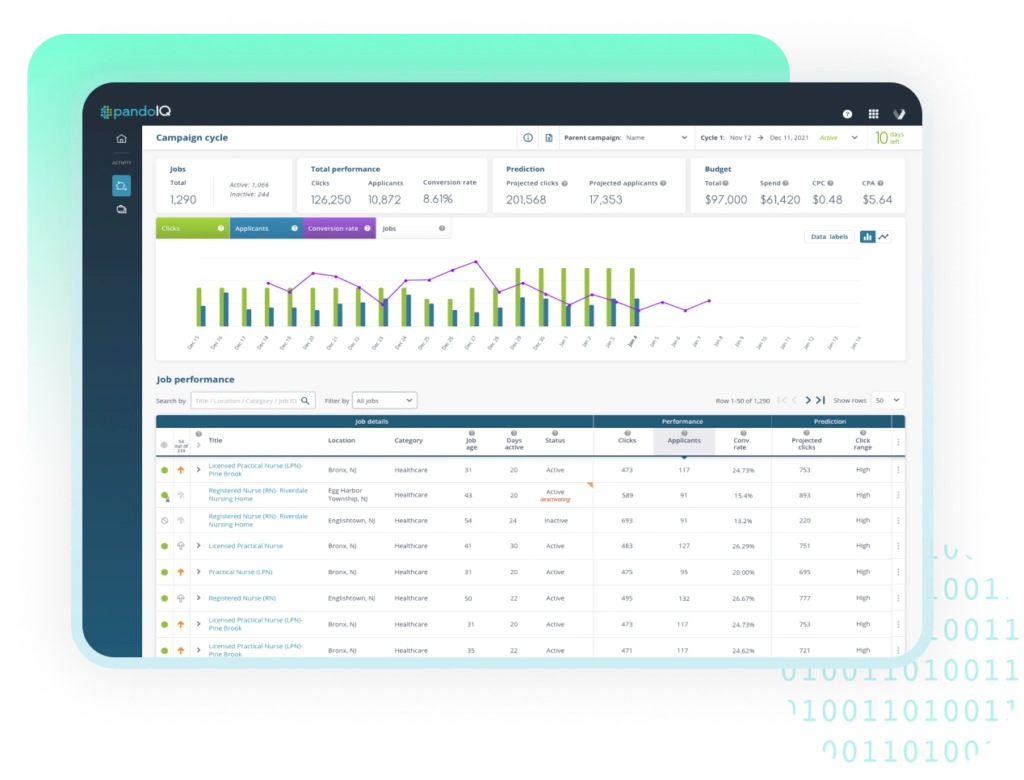
Image Source: Pandologic
Technology has become a game-changer that helps HR leaders cut recruitment costs without compromising quality. The right digital tools can revolutionize your hiring process into an efficient and affordable operation.
Use AI for resume screening and candidate matching
Companies that use AI-powered recruitment tools see 31% faster hiring times and 50% better quality of hire metrics. Today, 51% of organizations use AI to screen resumes (44%) and write job descriptions (66%). These systems analyze resumes at scale and identify candidates who match roles based on skills and experience. This eliminates countless hours of manual review.
Automate interview scheduling and communication
Recruiters spend 8-10 hours every week—a full business day—on calendar management. Calendar automation tools merge with existing systems to handle interview scheduling automatically. Teams using hybrid automation report 30-40% fewer scheduling conflicts and faster candidate responses.
Adopt applicant tracking systems to boost efficiency
ATS platforms make recruitment tasks easier, from creating job posts to screening candidates and scheduling interviews. The results speak for themselves:
- 30-50% reduction in time-to-hire
- 20-40% lower cost-per-hire
- Better analytics to measure recruitment effectiveness
How digital tools support diversity and inclusion
A diverse workforce matters to 76% of job seekers who evaluate potential employers. AI tools help remove unconscious bias from recruitment by hiding candidate information and focusing on skills rather than demographics. This expands your talent pool and supports long-term diversity goals.
Smart Vendor and Referral Tactics
"Talent acquisition is no longer just a cost centre; it's a strategic function that drives competitive advantage. Every dollar saved on recruitment without compromising quality is a dollar reinvested into the business." — Josh Bersin, HR Industry Analyst
External partnerships provide a powerful way to cut recruitment costs. Research shows that working with recruitment agencies costs between 15% and 30% of a new hire's base salary. This makes it crucial to optimize these expenses.
Get better deals with recruitment agencies
Your collaboration with agencies should focus on replacement guarantees and performance timelines. Push for a 6-12 month replacement guarantee if a hired candidate leaves. You should carefully negotiate exclusivity clauses. These clauses ensure focused searches but might restrict your options if results don't meet expectations.
Set up performance-based pricing models
Performance-based pricing revolutionizes agency payment structures. This model ensures you pay only after successful candidate placement. The approach reduces risk and speeds up candidate profiles. However, recruiters might rush to fill positions at quality's expense. You could opt for installment pricing as an alternative. Payments happen in stages—deposit, shortlist, and final commission.
Build a high-impact employee referral program
Employee referrals bring remarkable benefits. Staff members referred by colleagues stay 70% longer than other hires. A successful program needs:
- Meaningful incentives (monetary bonuses, extra PTO, or creative rewards)
- Clear guidelines with transparent processes
- Quality referrals as the priority
- Recognition for successful referrals
Great hiring should lead to long-term retention. Track how well your workforce stays.
Measure Retention RateMonitor referral ROI and fine-tune incentives
Your program should track key metrics like participation rate, cost per acquisition, and customer lifetime value. Successful programs monitor both immediate metrics like conversion rates and long-term indicators such as retention. A well-monitored referral program becomes a measurable growth engine rather than just a "marketing idea".
Employer brand as a long-term cost reduction lever
Employer branding drives down sourcing costs over time. Companies with strong cultures and visible employee stories attract more direct applicants — reducing dependency on job board advertising and agency fees. A LinkedIn company page with active employee content, Glassdoor reviews above 4.0, and a careers site that clearly communicates your culture can shift your applicant mix from paid channels to organic ones — reducing cost per applicant without any change to your recruitment process itself.
The financial impact is measurable: organisations with strong employer brands report 50% more qualified applicants per role and spend up to 43% less on cost per hire over a two-year period compared to those relying purely on advertising spend.
Conclusion
HR leaders face a pressing challenge as hiring costs continue to rise. The 14% increase in average recruitment costs since 2019 needs quick action and smart planning. Direct and indirect expenses affect a company's bottom line and growth potential by a lot.
Our complete study shows that developing talent internally might be the best way to cut costs. Companies with reliable internal mobility programs get better quality new hires. Building a strong talent pipeline is key to long-term success. Smart succession planning turns reactive hiring into proactive talent management. This helps fill positions 50% faster while keeping valuable company knowledge intact.
Advanced technology proves to be a powerful tool to reduce costs. AI-powered tools cut hiring times by 31% and bring in better candidates. Automation takes care of boring scheduling work so recruiters can focus on what matters most. Companies using applicant tracking systems hire 30-50% faster and spend 20-40% less per hire.
Working with external partners can still be worth the money with the right approach. Pay-for-performance models help cut upfront costs. Well-laid-out employee referral programs find candidates who stay 70% longer than those from other sources.
The best approach combines several strategies. HR teams should build internal talent, use new technology, and work smarter with partners. These cost-saving methods don't hurt talent quality - they often make it better.
The cheapest hire you will ever make is the one you never have to replace. Every strategy in this guide reduces recruitment costs — but the compounding benefit is the downstream reduction in replacement costs, training costs, and productivity losses that come from retaining the right people rather than recycling the wrong ones. Lower cost per hire matters. Lower cost per bad hire matters more. According to Gartner's 2024 HR forecast, organisations that invest in proactive talent strategies — including AI tools and internal mobility programmes — are projected to reduce cost per hire by up to 40% over the next three years." The path to that reduction is not a single tactic but a combination of the strategies in this guide, implemented consistently over time.
Key Takeaways
Strategic cost reduction in recruitment requires a multi-faceted approach that balances internal development, technology adoption, and smart vendor partnerships to achieve sustainable savings without compromising hire quality.
- Build internal talent pipelines first - Organizations with strong internal mobility programs report 32% higher satisfaction with new hires and fill positions 50% faster than external recruitment.
- Leverage AI and automation tools - Technology can reduce hiring times by 31% and cut costs per hire by 20-40% while improving candidate quality through better screening and matching.
- Focus on employee referrals - Referred employees stay 70% longer than other hires, making referral programs one of the most cost-effective recruitment strategies available.
- Negotiate performance-based pricing - Switch from traditional agency fees to performance-based models where you only pay for successful hires, reducing upfront costs and financial risk.
- Track hidden costs carefully - Indirect expenses account for 60-70% of total recruitment costs, including productivity losses and prolonged vacancy impacts that many HR leaders overlook.
Bad hires and early exits are expensive. Estimate the true cost of employee turnover.
Calculate Turnover CostThe most successful organizations combine these strategies rather than relying on a single approach, creating a comprehensive recruitment ecosystem that delivers both immediate cost savings and long-term talent pipeline strength.