


Introduction
Different types of personality assessment reveal a surprising truth: while most people believe they're self-aware, only 10-15% actually are. These assessment tools have become essential in modern workplaces. More than 75% of large companies use personality and aptitude tests to screen job applicants.
We've compiled this piece covering seven popular types of personality tests. It ranges from classic methods of personality assessment used in psychology to modern AI-powered solutions. You can use this knowledge for personal growth or to evaluate candidates for your team. Understanding these personality assessment options will help you choose the right tool for your needs.
Myers-Briggs Type Indicator (MBTI)
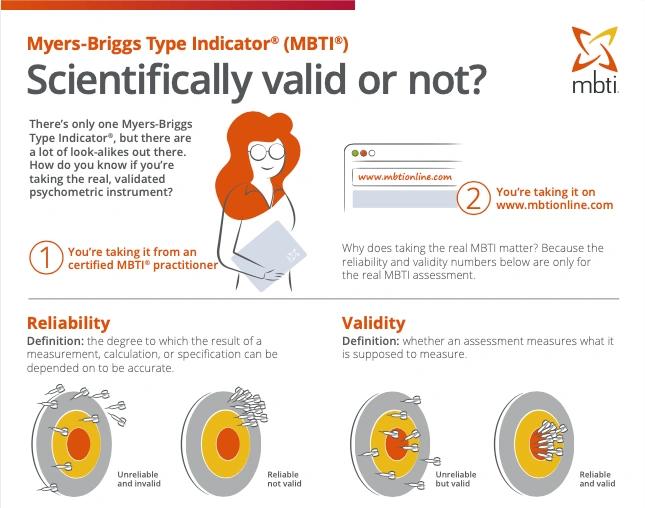
Image Source: The Myers-Briggs Company
"The privilege of a lifetime is to become who you truly are." — Carl Jung, Swiss psychiatrist and founder of analytical psychology
## Myers-Briggs Type Indicator (MBTI)
Isabel Briggs Myers and her mother Katharine Cook Briggs created the MBTI assessment during World War II. The framework remains one of the most recognized types of personality assessment worldwide. It draws from Swiss psychiatrist Carl Jung's 1921 theory of psychological types and has evolved over 75 years into a tool that millions use annually.
What the MBTI Measures
The MBTI categorizes personality through four dichotomies. Each represents how people prefer to involve their minds. These priorities combine to create 16 distinct personality types, represented by four-letter codes like INTJ or ESFP.
The four dimensions measure:
- Extraversion (E) or Introversion (I): How you direct and receive energy. Extraverts focus outward on people and experiences. Introverts direct energy toward internal thoughts and reflection.
- Sensing (S) or Intuition (N): How you see and process information. Sensing types gather facts through their five senses before recognizing patterns. Intuitive types grasp the big picture first and identify details later.
- Thinking (T) or Feeling (F): How you make decisions. Thinkers rely on logic and facts. Feelers prioritize harmony and emotional considerations.
- Judging (J) or Perceiving (P): Your preferred lifestyle approach. Judging types favor structure and organization. Perceiving types embrace flexibility and spontaneity.
The assessment emphasizes that no preference is superior to another. Each of the 16 types carries equal value with unique strengths and development areas.
Key Features and How It Works
The current MBTI Global Step I assessment has 93 forced-choice questions in the North American version and 88 in the European version. Completion requires 20 to 40 minutes typically. Trained, MBTI-certified practitioners must administer the questionnaire and provide professional interpretation of results.
The assessment is available in 29 different languages. It went through decades of rigorous development and continuous statistical analysis. The instrument meets standards set by both the American Psychological Association and the British Psychological Society. The test demonstrates a 90% accuracy and test-retest reliability rating according to the Myers & Briggs Foundation.
The scoring process identifies your tendency toward one end of each spectrum and produces your four-letter personality type. This framework helps you understand your natural priorities rather than measuring skills or abilities.
Workplace and Personal Applications
Organizations worldwide have adopted the MBTI for various purposes. 88 Fortune 100 companies have used this assessment. Approximately two million U.S. adults complete the inventory each year, with millions more taking it globally.
The tool serves multiple functions in organizational settings. Teams use it to improve communication, resolve conflicts, boost problem-solving approaches and manage change more effectively. Personality type provides nonjudgmental language to discuss differences. It helps employees and managers understand what each person needs and has to offer.
The MBTI makes self-awareness and growth easier for personal development through Jung's concept of individuation. People use type awareness to strengthen relationships and explore career options that line up with their priorities. They develop both their natural strengths and opposite priorities.
But the assessment should never be used for hiring decisions. The MBTI is designed to describe priorities, not predict job performance or success in specific roles. Misusing it to screen candidates confuses priorities with actual skills and abilities. This potentially screens out qualified individuals. Research shows certain types gravitate toward particular careers, but all 16 types appear in virtually every known occupation. Modern tools like SkillSauce offer AI-powered behavioral assessments designed specifically to review job-relevant competencies for hiring purposes. They predict workplace performance through evidence-based methods.
Strengths and Limitations
The MBTI provides a framework to understand individual differences without labeling any type as better or worse. This nonjudgmental approach makes it available for team building and personal growth. The assessment's widespread adoption and extensive research base spanning multiple decades demonstrate its practical utility in various settings.
The tool faces criticism from trait theorists at the same time. They argue that personality exists on a continuum rather than in dichotomous categories. Research indicates that test results can change over time. The assessment lacks strong predictive validity for job performance. Some psychologists question whether it meets rigorous scientific standards. Much supporting research comes from the Myers-Briggs Foundation itself.
The instrument works best when used as intended: as a starting point to explore yourself and understand others, not as a definitive measure of personality or a predictor of success.
The Big Five Personality Test
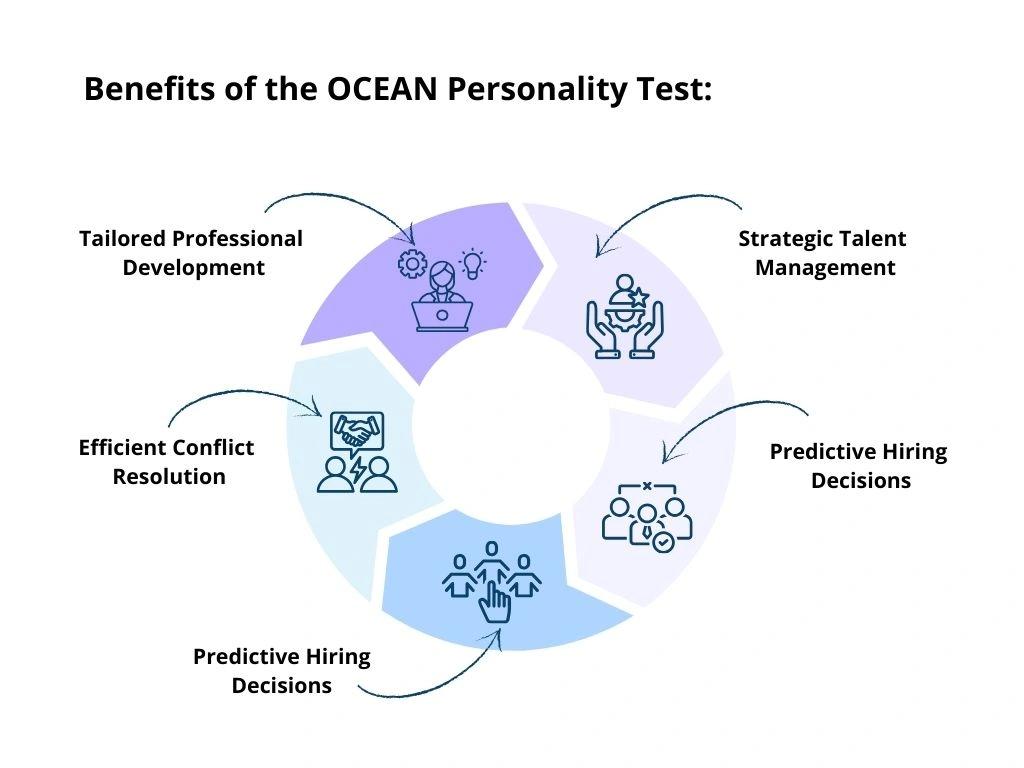
Image Source: PMaps
The Big Five stands out for its empirical foundation among the various methods of personality assessment used in psychology. Researchers developed this framework by analyzing language patterns people use to describe themselves. They found that most personality variation clusters around five broad dimensions.
What the Big Five Measures
The five-factor model, often called OCEAN or CANOE, measures personality traits on a continuous scale rather than binary categories. Each factor represents a spectrum. Individuals fall anywhere along the range:
Openness measures creativity, curiosity, and willingness to entertain new ideas. People high in openness accept art, emotion, adventure, and unconventional beliefs. They tend to be curious and aware of their feelings.
Conscientiousness measures self-control, diligence, and attention to detail. This trait predicts reliability and achievement-striving. Research shows it serves as the strongest predictor of job performance in any industry.
Extraversion measures boldness, energy, and social interactivity. Extraverts participate with the external world and enjoy interacting with people. They create energy from external means. This trait predicts leadership effectiveness and success in sales positions.
Agreeableness measures kindness, helpfulness, and willingness to cooperate. Agreeable individuals prioritize social harmony and trust others. They maintain an optimistic view of human nature.
Neuroticism measures depression, irritability, and proneness to anxiety. Sometimes called emotional instability, this trait reflects the tendency to experience strong negative emotions. High neuroticism appears as a risk factor for various health problems, including depression, diabetes, and heart disease.
Key Features and How It Works
The framework emerged from decades of research. Psychologists Gordon Allport and S. Odbert identified some 4,500 adjectives describing personality traits in the 1930s. Raymond Cattell later refined this work. Researchers landed on five broad factors. Paul Costa and Robert McCrae published their NEO Personality Inventory in 1985, followed by Oliver John and Verónica Benet-Martinez releasing the Big Five Inventory in 1998.
Several standardized measures exist. The Big Five Inventory contains 44 prompts measuring six facets for each trait. The NEO Personality Inventory uses 240 items for deeper clinical insights, while the NEO Five-Factor Inventory offers a shorter 60-item version. These assessments show strong internal consistency and test-retest reliability.
Workplace and Personal Applications
Organizations use Big Five assessments for recruitment and try to match candidates with job-related personality profiles. Research confirms relationships between personality and job performance across occupational groups and managerial levels. Conscientiousness predicts better grades, successful relationships, and longevity. Extraversion associates with higher happiness and life satisfaction. Entrepreneurs show low neuroticism, high openness, high conscientiousness, and high extraversion. Managers display similar patterns with lower agreeableness.
Practitioners use the framework to build stronger alliances with clients and create tailored development plans in therapy and coaching contexts. Educational professionals adapt teaching strategies to personality-driven learning styles.
But traditional self-report inventories face limitations for hiring decisions. Modern AI-powered platforms like SkillSauce address these shortcomings by evaluating behavioral patterns and job-relevant competencies rather than relying on self-description. They provide analytical insights that predict workplace performance.
Strengths and Limitations
The Big Five represents a fundamental discovery in personality research, backed by empirical evidence. The model shows predictive validity across cultures and predicts various life outcomes.
But the framework faces several critiques. Some experts argue it oversimplifies personality and misses traits like honesty and humility. The model lacks generalizability across cultural boundaries. Research suggests traits vary across cultures. Personality can change over time in response to aging, experiences, and trauma. This contradicts assumptions of stability. The model remains descriptive rather than explanatory and fails to uncover psychological processes. Self-report questionnaires introduce bias, distortion, and social desirability effects. Questions may overlap with mental health diagnostic criteria and raise discrimination concerns.
DISC Personality Assessment
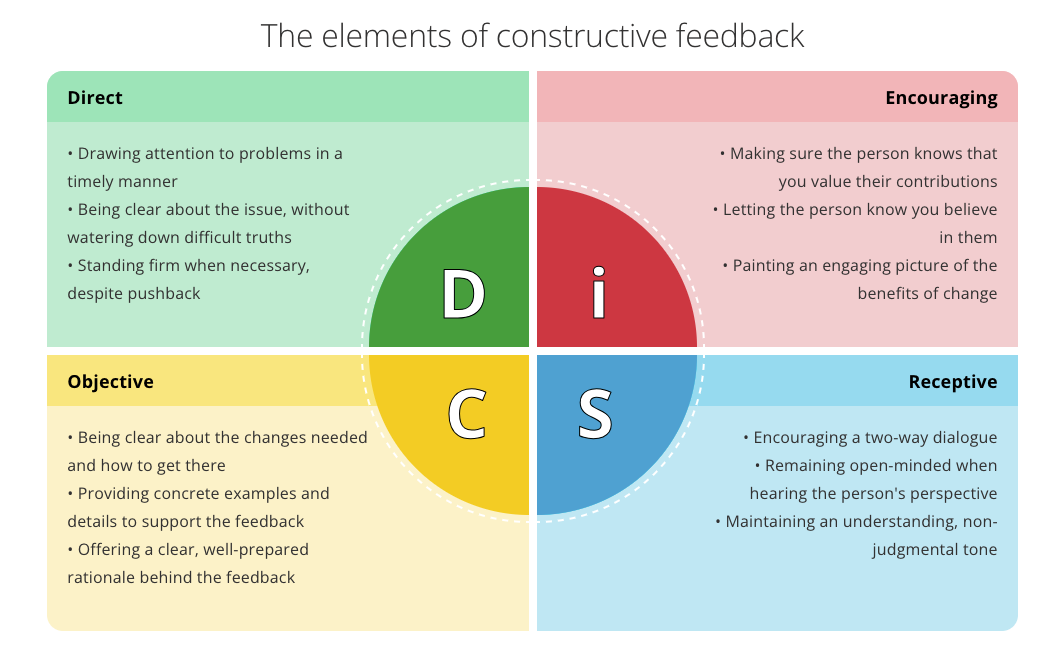
Image Source: Discprofile.com
DISC Personality Assessment
More than a million people complete DISC assessments each year. This makes it one of the most adopted types of personality assessment in organizational settings. DISC is fundamentally different from other methods of personality assessment: it measures behavior rather than personality traits. Behavior refers to how you act or react depending on the situation. Personality represents inherent traits and characteristics.
What DISC Measures
William Moulton Marston originally proposed the DISC model in his 1928 book "Emotions of Normal People". Marston was a physiological psychologist with a Ph.D. from Harvard. The framework has been researched and refined for more than 40 years. Wiley published it—one of the world's oldest and most respected scientific publishers.
DISC stands for Dominance, Influence, Steadiness, and Conscientiousness. Dominance types focus on results and work quickly. They display assertiveness and competitiveness. They value action and personal freedom but may appear controlling or impatient. Influence types excel at persuading others through enthusiasm and energy. They thrive in group settings and enjoy coaching. They can become emotionally involved and lose focus on individual tasks. Steadiness types bring calm and dependability to any situation. They prefer cooperation and routine but resist change. They may avoid voicing criticism. Conscientiousness types emphasize accuracy and expertise. They create systematic processes and produce high-quality work. They may overanalyze and prioritize perfection over deadlines.
Key Features and How It Works
The assessment presents a short series of questions that candidates answer honestly. This produces a detailed report about their behavioral style. The Thomas DISC tool has individuals choose two trait adjectives from lists of four. This repeats 24 times for 48 choices from 96 words total. The process takes about 20 minutes to complete online.
Response patterns are compared against the individual themselves rather than comparison groups. The theory views everyone as the ultimate expert on themselves. No right or wrong answers exist. Results appear as a graph breaking down the four behavioral dimensions. The graph shows how you respond to problems, pace, procedures, and people.
Research shows high reliability: a Russian pilot study found a coefficient of .89 for retesting after one week. A 2013 German study found the Persolog DISC assessment met reliability requirements but failed validity standards. DISC assessments have showed no ability to predict job performance.
Workplace and Personal Applications
Thousands of organizations use DISC assessments worldwide. These range from Fortune 500 companies to nonprofits and small businesses. The model provides common language for understanding behavioral differences and building stronger working relationships.
Teams use DISC for communication training, conflict resolution, and leadership development. A study in the Journal of Business and Psychology found teams using DISC assessments had a 34% increase in overall productivity. Managers who used DISC were 21% more likely to be rated as effective by their subordinates. DISC produced marked improvements in team communication and conflict resolution when combined with emotional intelligence training.
The assessment helps identify how team members interact, what motivates them, and how they handle conflict. Teams with more Dominance or Influence types move at urgent paces and make quicker decisions. Teams with more Steadiness or Conscientiousness types take calculated approaches.
Given its limitations for predicting job performance, DISC should not serve as a primary hiring tool. Psychologist Wendell Williams argues that valid job performance tests require criterion validity for job performance criteria. Modern platforms like SkillSauce address this gap through AI-powered behavioral assessments. These assessments evaluate job-relevant competencies and predict actual workplace performance using informed analysis rather than self-reported behavioral priorities.
Strengths and Limitations
DISC offers a non-judgmental framework for learning about behavioral differences and workplace strengths. The assessment boasts very high validity in terms of participant agreement with results. It provides practical value for team building, self-awareness, and understanding communication styles.
The assessment faces criticism for oversimplifying complex human behavior. Research in the Scandinavian Journal of Psychology found DISC dimensions were not psychometrically independent. They could better be explained as combinations of Big Five traits than as independent dimensions. The tool measures behavioral priorities and energy levels for certain outcomes. It does not measure proficiency in problem-solving or interpersonal skills.
CliftonStrengths Assessment
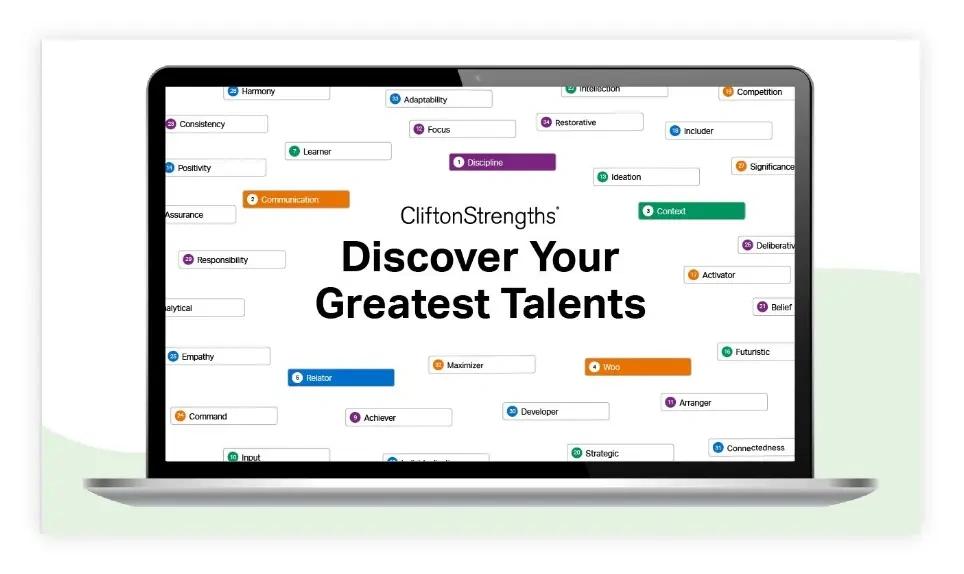
Image Source: Gallup
The CliftonStrengths Assessment takes a fundamentally different approach among types of personality assessment: instead of categorizing who you are, it identifies what you naturally do best. Educational psychologist Don Clifton developed this tool based on decades studying top performers. The American Psychological Association gave him a Presidential Commendation as the father of strengths-based psychology and the grandfather of positive psychology.
What CliftonStrengths Measures
The assessment identifies your unique rank order of 34 talent themes, which sort into four domains: Executing (making things happen), Influencing (selling ideas and ensuring teams are heard), Relationship Building (forming effective teams), and Strategic Thinking (helping teams make better decisions). These themes measure your natural patterns of thinking, feeling, and behaving.
Clifton's formula Talent x Investment = Strength captures the core concept. Talents represent innate abilities you can apply productively. You must invest time practicing, developing skills, and building knowledge to transform them into strengths. The assessment measures the presence of talents, but turning them into strengths requires commitment.
Key Features and How It Works
The 30-minute online assessment presents 177 paired statements. You choose which statement in each pair best describes you. The system measures and scores your thinking patterns, feelings, and behaviors. Personalized reports identify your top strengths and explain how to use them for success once you complete these questions.
Research demonstrates remarkable stability. Test-retest results show excellent reliability, with the order of themes remaining quite stable among those retested over a decade after their first assessment. Gallup recommends against frequent retesting, as results tend to remain consistent over time.
Workplace and Personal Applications
Over 90% of Fortune 500 companies have used CliftonStrengths to improve their workplaces. The data supporting this adoption proves compelling. People who have the chance to use their CliftonStrengths are 6x as likely to be engaged in their jobs, 6x as likely to strongly agree they have the chance to do what they do best every day, and 3x as likely to report having an excellent quality of life. Employees who receive strengths-based development experience increased performance and lower attrition.
The assessment helps individuals understand their natural abilities and craft roles aligned with their signature strengths for personal development. Teams use it to identify complementary skill sets, improve collaboration, and build on composite capabilities. The common language it provides aids discussions about individual contributions to group goals.
But modern platforms like SkillSauce offer AI-powered behavioral assessments designed to review job-relevant competencies and predict workplace performance through evidence-based methods for hiring purposes. These tools address the gap between personal development tools and hiring needs.
Strengths and Limitations
The strengths-based approach encourages self-acceptance and growth at the same time. It focuses on what's right with people rather than what's wrong. The pinpoint accuracy of personalized insights leaves people inspired and enabled with newfound self-awareness.
Academic research raises concerns at the same time. A study published in a professional psychology journal concluded that current available evidence for implementing CliftonStrengths within higher education remains insufficient. Critics argue that focusing on enhancing strengths while ignoring weaknesses can limit development. The assessment may also pigeonhole individuals into fixed roles depending on company culture.
The tool works best as a developmental framework for understanding natural talents, not as a hiring instrument or definitive measure of capability.
Enneagram Personality Test

Image Source: www.enneagraminstitute.com
"The meeting of two personalities is like the contact of two chemical substances: if there is any reaction, both are transformed." — Carl Jung, Swiss psychiatrist and founder of analytical psychology
## Enneagram Personality Test
The Enneagram has roots in spiritual traditions dating back over 2,500 years. Spiritual figure Óscar Ichazo brought it into modern psychology through his teachings. Psychiatrists carried his blended framework to the United States in the early 1970s to use in psychoanalytic training. Don Richard Riso and Russ Hudson developed the Riso-Hudson Enneagram Type Indicator (RHETI) in 1993. They focused on building it as a personality measurement instrument.
What the Enneagram Measures
The word "enneagram" comes from Greek words "ennea" (nine) and "gramma" (something written). This reflects its core structure. The system breaks personality into nine distinct types. Each type has fundamental beliefs about how the world works. These core beliefs drive your deepest motivations and fears. They shape your worldview and view.
The nine types fall into three centers of intelligence. Heart types (Two, Three, Four) depend on emotional intelligence to understand reactions and connect with others. Head types (Five, Six, Seven) rely on intellectual intelligence to guide their surroundings. Body types (Eight, Nine, One) depend on instinctual intelligence to follow their gut and respond to opportunities.
The system adds complexity through "wings" (the two adjacent types that influence your dominant type) and Levels of Development. These levels span from healthy to average to unhealthy states. They explain how traits deteriorate or improve.
Key Features and How It Works
The assessment involves two approaches. Some administrators ask participants to read descriptions of nine types and self-review their dominant type. Others use structured tests like the RHETI. The process takes about 10 to 15 minutes.
The RHETI presents statements such as "I seek out experiences that I know will make me excited." You indicate how accurate this is to your personality. Results display scores across all nine types and identify your dominant pattern. Keep in mind that everyone contains elements of each type.
Personal and Professional Applications
Many people use the Enneagram for personal growth, spiritual development, relationship improvement and workplace performance. Studies show that understanding the Enneagram helps with personal and spiritual growth, ego-development and family therapy improvement. Teams apply it for coaching, communication training and leadership development.
Despite its popularity for self-exploration, organizations should avoid using it to make hiring decisions. Given its scientific validity concerns, modern platforms like SkillSauce offer AI-powered behavioral assessments. These are designed to evaluate job-relevant competencies through evidence-based methods rather than self-reported spiritual frameworks.
Strengths and Limitations
The Enneagram provides deep insights about emotions, motivations and values for personal understanding. But a Delphi poll of 101 doctoral-level members of psychological organizations found that at least 25% rated the Enneagram as discredited for personality assessment. Experts scored it with a mean of 4.14, roughly equivalent to "probably discredited". A 2020 review of 104 independent samples found mixed evidence of reliability and validity. Critics note its categorical types lack empirical derivation from data. The RHETI has minimal scientific research conducted despite heuristic value.
16 Personality Factor Questionnaire (16PF)
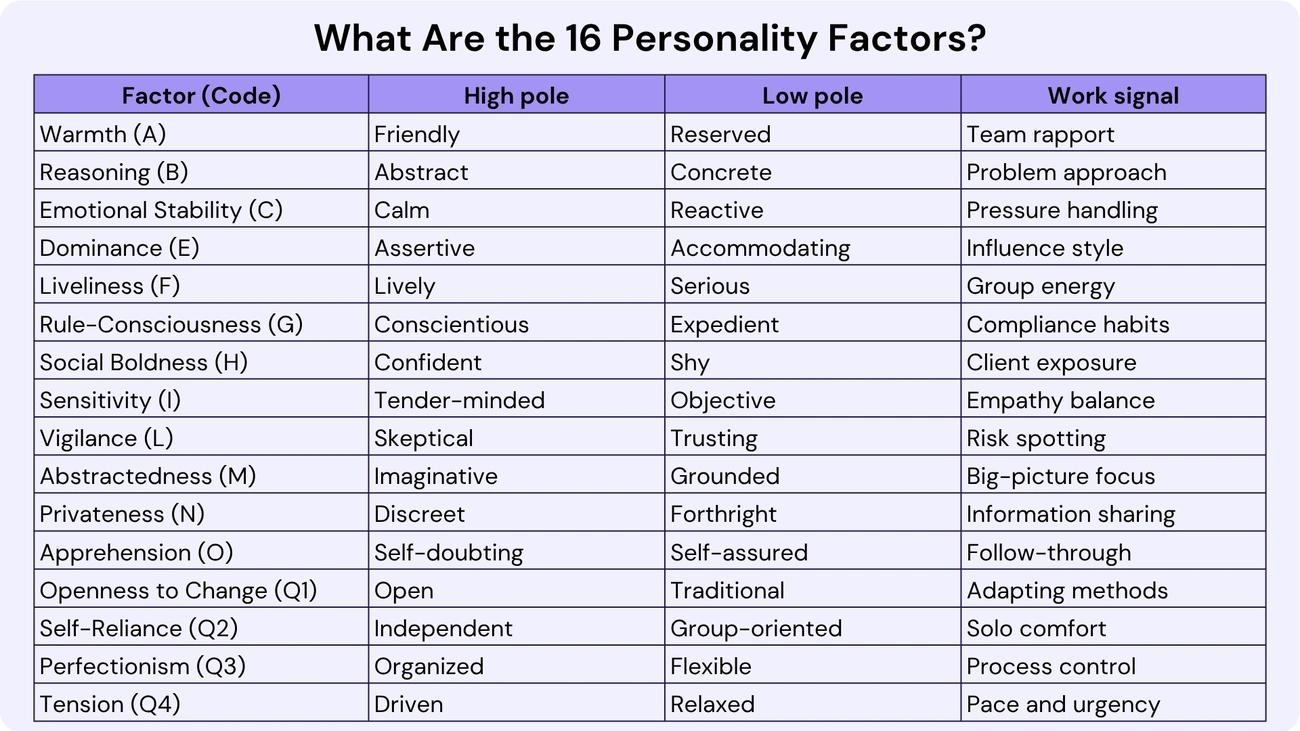
Image Source: PMaps
16 Personality Factor Questionnaire (16PF)
Psychologist Raymond B. Cattell spent decades applying factor analysis to personality research, starting in the 1940s. This statistical approach to types of personality tests distinguishes the 16PF from assessments rooted in theory or clinical observation. Cattell analyzed the English-language trait lexicon to uncover personality dimensions that lie beneath the surface, establishing one of psychology's most grounded methods of personality assessment.
What the 16PF Measures
The assessment operates on a hierarchical structure with 16 primary personality traits at the base and five global factors at a broader level. Primary scales are Warmth, Reasoning, Emotional Stability, Dominance, Liveliness, Rule-Consciousness, Social Boldness, Sensitivity, Watchfulness, Abstractedness, Privateness, Apprehension, Openness to Change, Self-Reliance, Perfectionism, and Tension[231]. These combine into five global scales: Extraversion, Anxiety, Tough-Mindedness, Independence, and Self-Control[231], which correspond to the Big Five personality traits.
Key Features and How It Works
The fifth edition has 185 multiple-choice items written at a fifth-grade reading level[231]. Questions focus on concrete daily situations, interests and opinions rather than asking direct self-assessment. Administration takes 35-50 minutes for paper format and 25-40 minutes by computer[231]. Scores appear as stens (standardized-ten scores) ranging from 1 to 10, with a mean of 5.5[231]. The instrument has three validity scales: Impression Management, Acquiescence and Infrequency.
Clinical and Workplace Applications
Mental health professionals use the 16PF for psychiatric diagnosis, therapy planning and understanding a client's capacity for insight, frustration tolerance and coping style[231]. Career counselors use it for occupational guidance[223]. Organizations apply it for employee selection, promotion, development and coaching. The assessment has been translated into more than 30 languages[231].
For hiring purposes, modern platforms like SkillSauce offer AI-powered behavioral assessments designed to assess job-relevant competencies and predict workplace performance through analytical insights.
Strengths and Limitations
The 16PF demonstrates strong psychometric properties. Test-retest reliability averages 0.80 over two weeks and 0.70 over two months. Internal consistency reliabilities average 0.76 across primary scales. Over 2,000 publications support its validity. Replication of the 16-factor structure has yielded mixed results, and some scales show modest internal consistency. Test-retest scores drop somewhat over two-month intervals.
SkillSauce Personality Assessment for Hiring
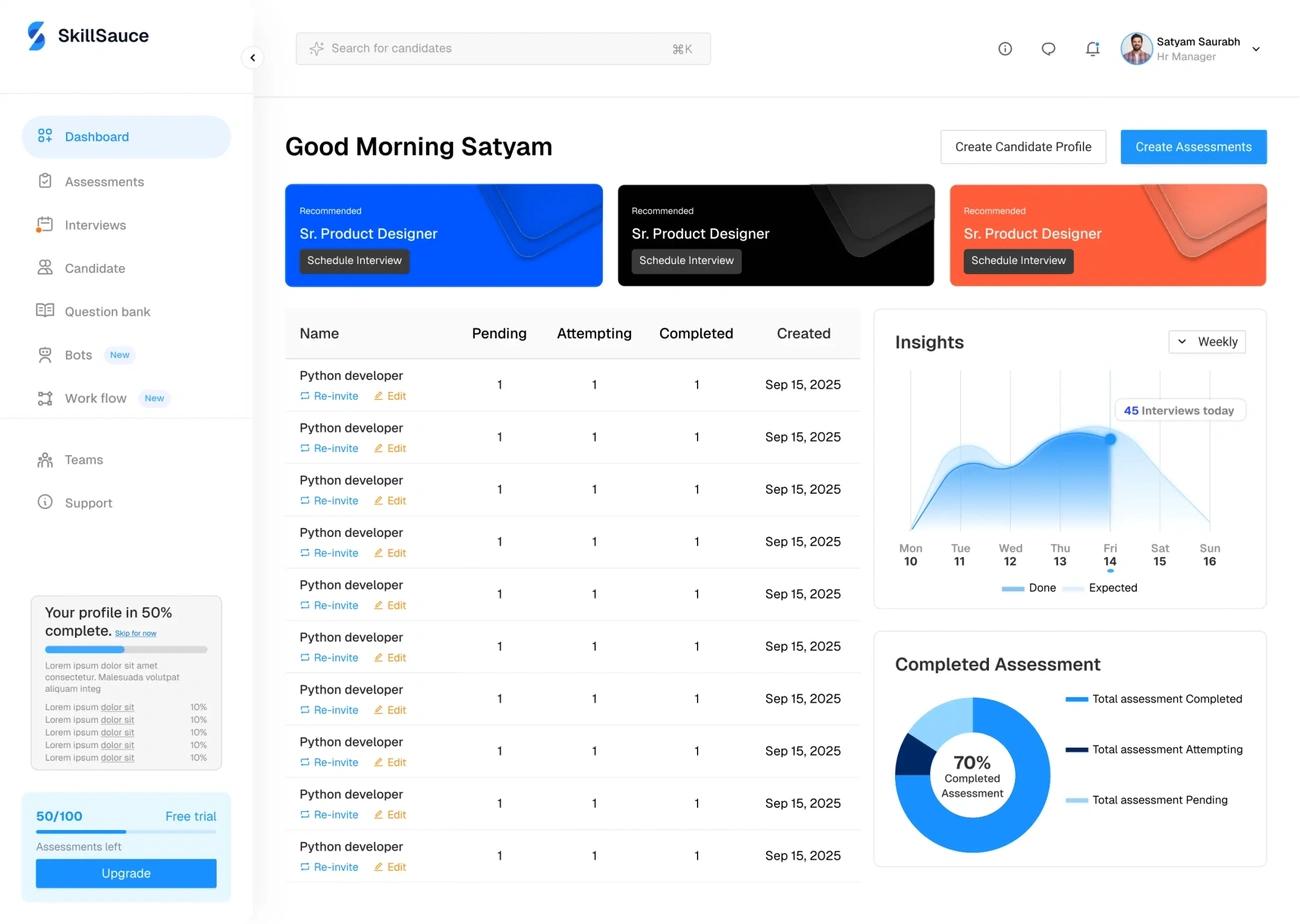
Image Source: SkillSauce
SkillSauce represents a change in how we assess personality during hiring. It moves beyond self-reported questionnaires to AI-powered behavioral evaluation. This cloud-based platform was built for talent acquisition and addresses gaps in traditional personality tests. It measures job-relevant competencies through evidence-based methods.
What SkillSauce Measures
SkillSauce reviews multiple dimensions. These include cognitive abilities, personality traits, behavioral style, communication skills, emotional intelligence, and cultural fit. The platform assesses language proficiency, speech patterns, body language, and role suitability through AI analysis.
Key Features and How It Works
The system integrates natural language processing, facial recognition, and sentiment analysis to review candidates. AI-based speech analysis assesses tone, clarity, and confidence. Facial recognition examines microexpressions to measure emotional intelligence up to the minute. The platform offers over 100,000 human-researched, AI-powered assessments across industries and generates detailed reports with strengths, weaknesses, and role suitability.
Hiring and Talent Management Applications
Organizations using SkillSauce report substantial improvements. They see 70% fewer hiring mistakes, 80% higher chance of hiring top performers, and 65% faster interview processes. The AI accelerates recruitment cycles by up to 50%. Companies experience 35% faster recruitment, 40% improved hire quality, and 25% reduced attrition.
How SkillSauce Compares to Traditional Assessments
Traditional personality assessments rely on self-reported priorities. SkillSauce analyzes actual behavioral patterns during AI-powered interviews. This approach eliminates unconscious bias and provides objective, merit-based evaluations. The platform was designed to predict workplace performance rather than personal development.
Comparison Table: 7 Popular Personality Assessments
| Assessment | Main Goal | Questions/Items | Time to Complete | Key Dimensions | Workplace Applications | Reliability/Validity | Limitations | Best Use Case |
|---|---|---|---|---|---|---|---|---|
| Myers-Briggs Type Indicator (MBTI) | Categorize personality through 16 types | 93 items (NA), 88 (EU) | 20–40 minutes | Extraversion/Introversion, Sensing/Intuition, Thinking/Feeling, Judging/Perceiving | Team building, communication, conflict resolution | ~90% accuracy; strong test-retest reliability | Low predictive validity for job performance | Self-awareness, team communication |
| Big Five Personality Test | Measure traits across 5 dimensions | 44–240 items | Not mentioned | OCEAN: Openness, Conscientiousness, Extraversion, Agreeableness, Neuroticism | Hiring, performance prediction, coaching | Strong empirical support | Self-report bias | Research, hiring decisions |
| DISC Personality | Behavioral style analysis | 48 questions | ~20 minutes | Dominance, Influence, Steadiness, Conscientiousness | Leadership, communication training | Moderate reliability | Limited predictive power | Team building |
| SkillSauce Personality Assessment ⭐ | AI-powered hiring evaluation | 100,000+ AI-driven assessments | Not mentioned | Cognitive ability, personality, communication, behavioral traits | Hiring, recruitment optimization | 70% fewer hiring mistakes, 80% better hires | Not mentioned | End-to-end hiring decisions |
Conclusion
Personality assessments provide insights to discover yourself and develop teams, yet their applications vary substantially. Traditional tools like MBTI, Big Five, and DISC excel at personal growth and understanding communication styles. But these self-report instruments fall short on predictive validity when it comes to hiring decisions.
The key takeaway: match the assessment to your purpose. Use established frameworks for personal development and team building. Don't rely on them for recruitment. AI-powered platforms like SkillSauce address the gap for hiring needs. They evaluate actual behavioral patterns and job-relevant competencies rather than self-described priorities. This provides the evidence-based information organizations need to make confident hiring decisions.
Key Takeaways
Understanding personality assessments can transform how you approach personal development and team building, but choosing the right tool for your specific purpose is crucial.
- Match assessment to purpose: Use MBTI, Big Five, and DISC for personal growth and team communication, but avoid them for hiring decisions due to limited predictive validity.
- Self-report bias limits hiring accuracy: Traditional personality tests rely on self-description, which introduces bias and fails to predict actual job performance effectively.
- Focus on behavioral patterns for hiring: AI-powered platforms like SkillSauce evaluate real behavioral competencies rather than self-reported preferences, improving hiring outcomes by 70%.
- Personality exists on continuums, not categories: The Big Five's dimensional approach provides more nuanced insights than binary classifications like MBTI's 16 types.
- Strengths-based development drives engagement: CliftonStrengths users are 6x more likely to be engaged at work when they can use their natural talents daily.
While 75% of large companies use personality assessments for screening, the most effective approach combines traditional tools for development with modern AI-driven solutions for hiring decisions. This strategic alignment ensures you get meaningful insights for personal growth while making data-driven talent decisions that predict actual workplace success.